What This Document Is
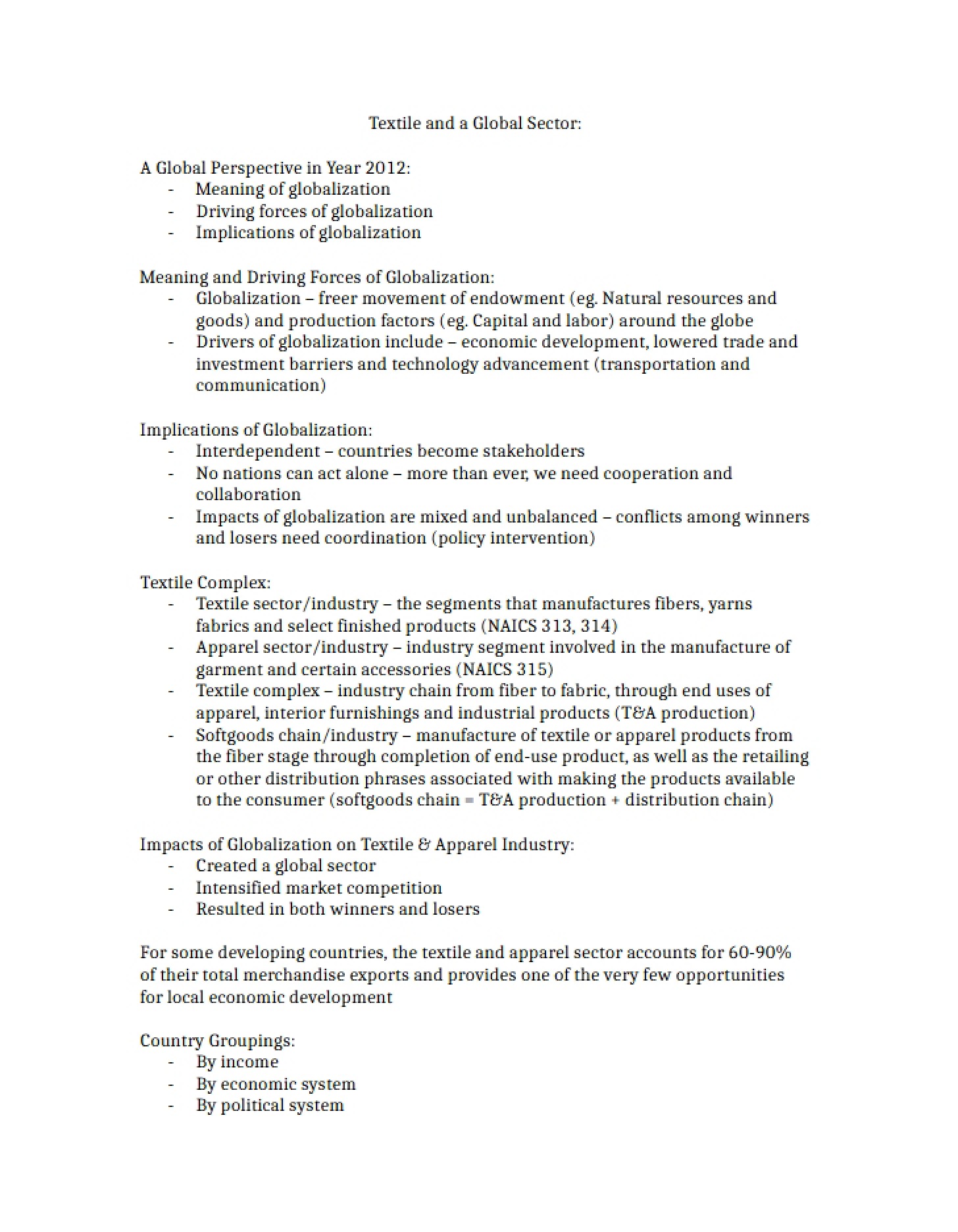
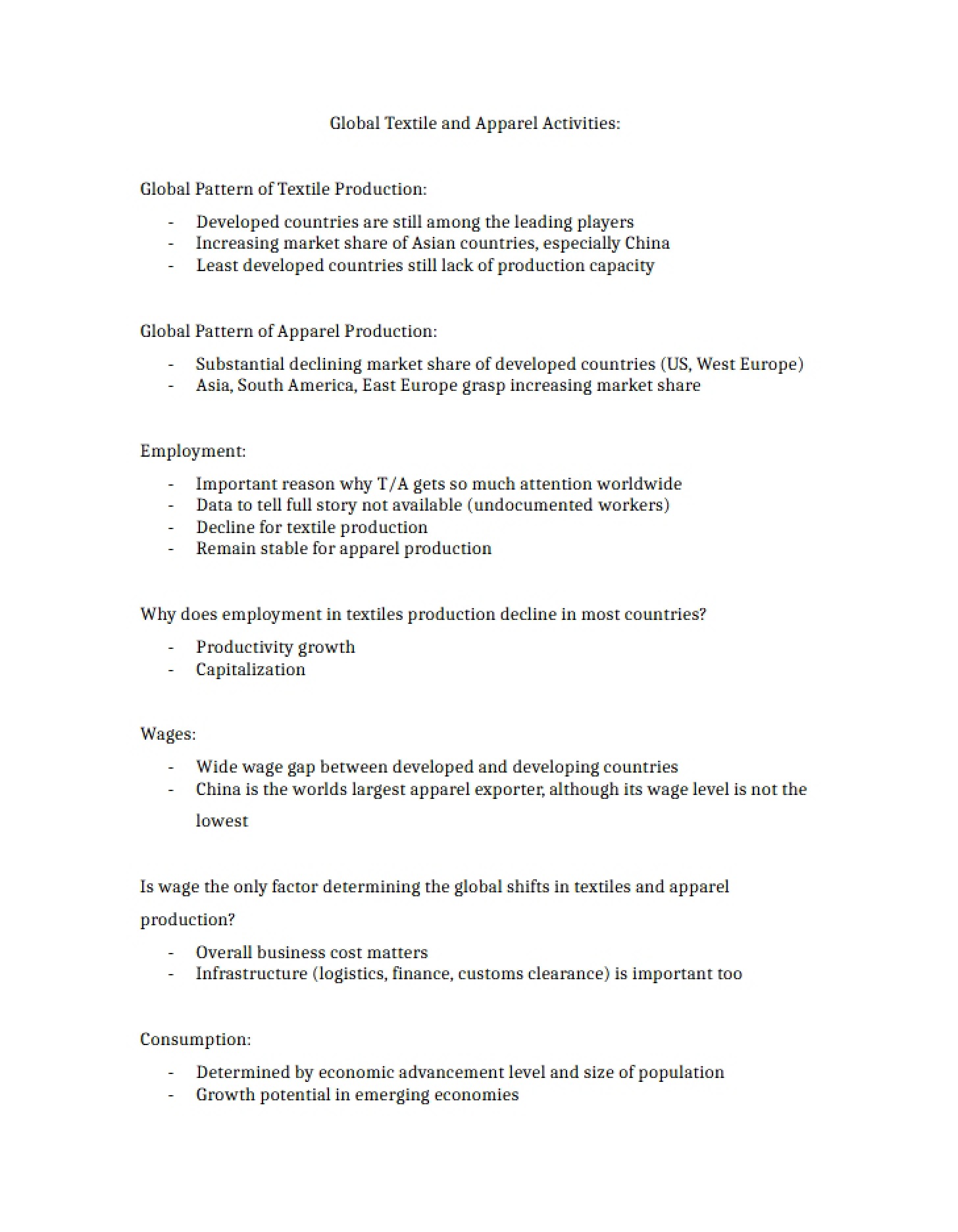
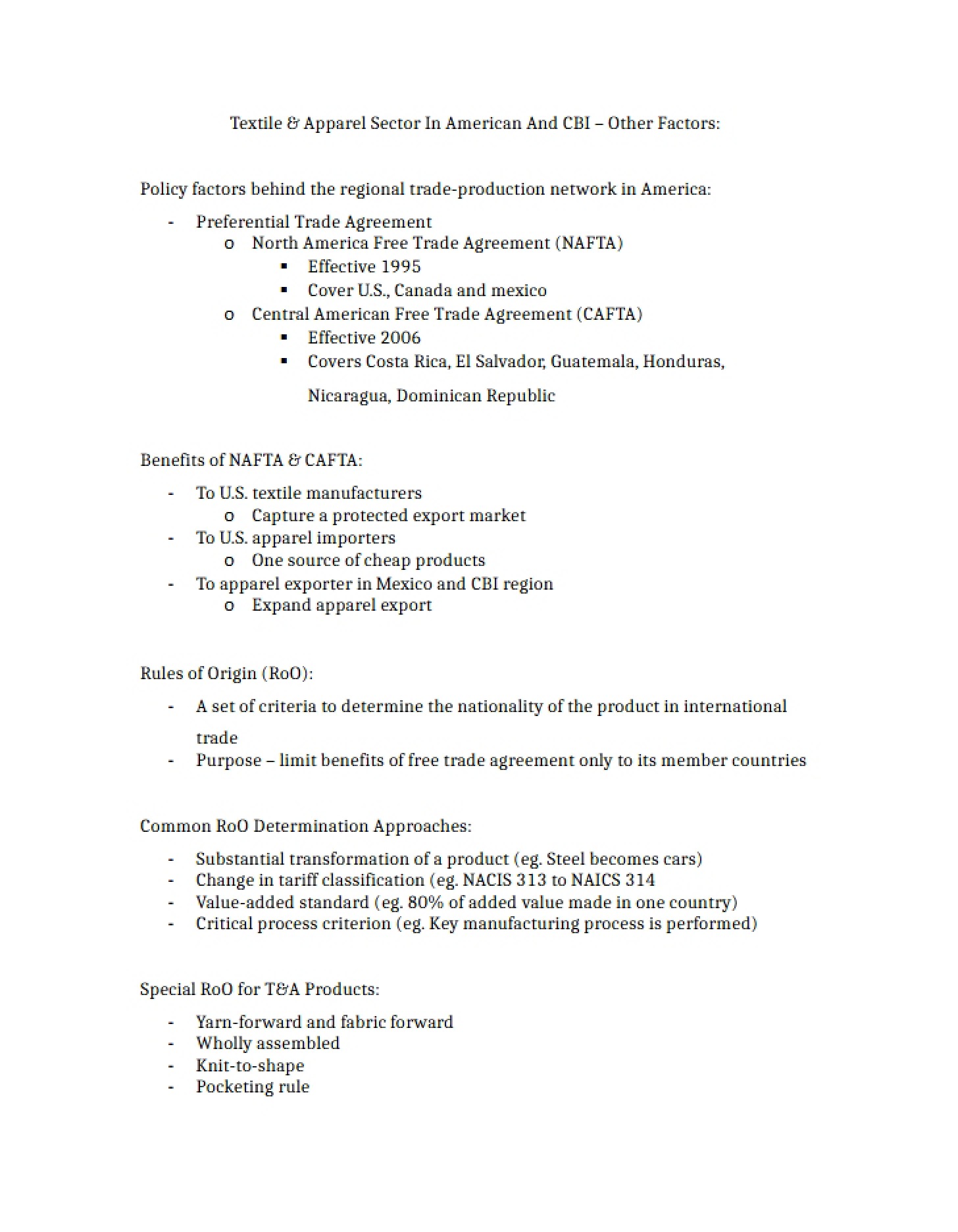
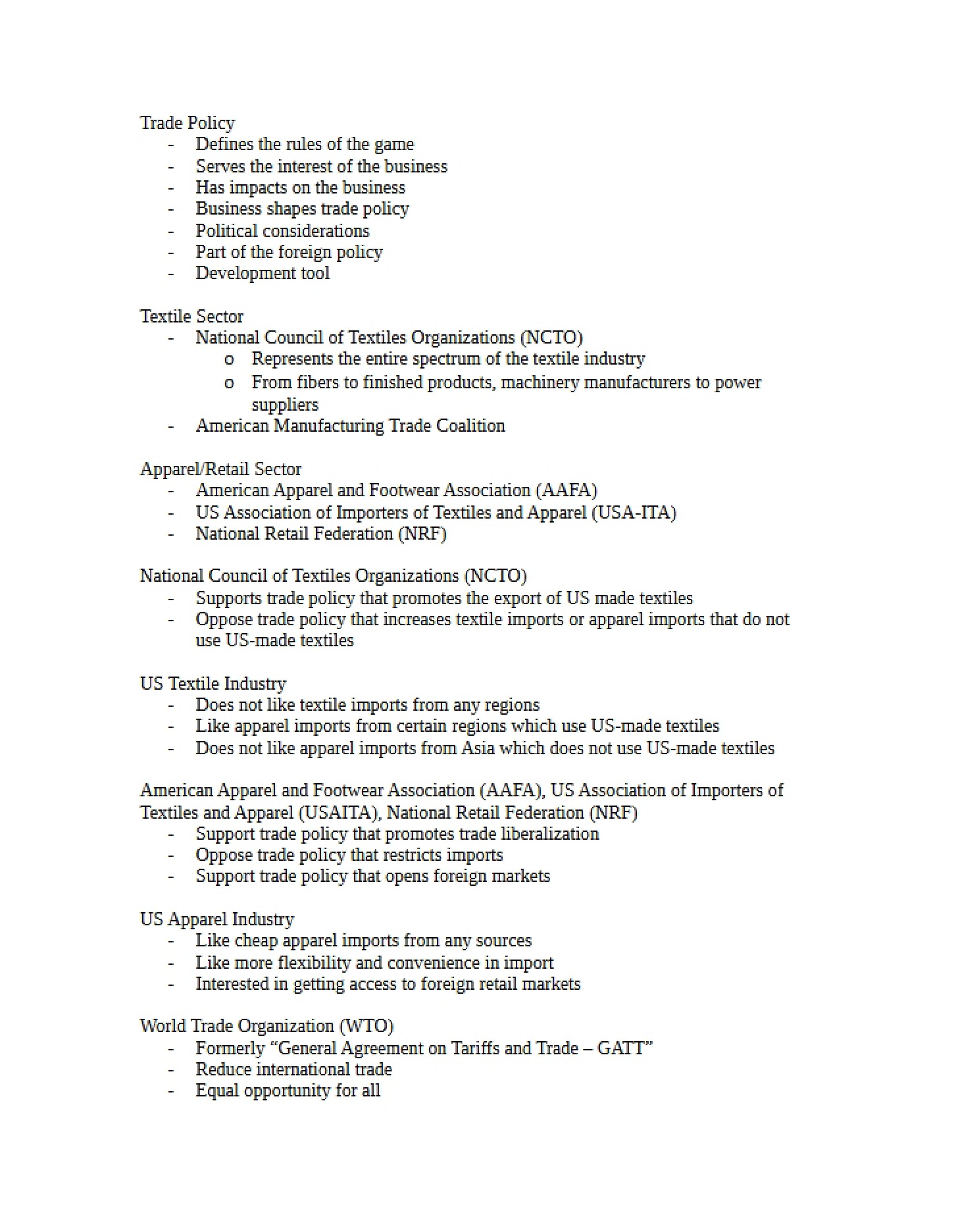
This is a focused review resource designed to prepare students for an upcoming exam in TMD 433: Textile Markets at the University of Rhode Island. It centers on the complex interplay of international trade regulations, policy, and their impact on the textile and apparel (T&A) industry – specifically within the United States. The review delves into the mechanisms governing global trade, the roles of key governmental bodies, and the challenges faced by domestic manufacturers. It’s a concentrated look at the forces shaping the textile marketplace.
Why This Document Matters
Students enrolled in TMD 433 will find this review particularly valuable when preparing for assessments covering trade policy and industry dynamics. It’s ideal for solidifying understanding of core concepts *before* an exam, identifying areas needing further study, and connecting theoretical frameworks to real-world industry pressures. Those aiming to understand the US textile industry’s position within the global landscape, and the factors influencing its competitiveness, will also benefit. This is a targeted resource for focused exam preparation, not a substitute for comprehensive course materials.
Common Limitations or Challenges
This review is designed to *reinforce* learning, not to provide a complete introduction to the subject matter. It assumes a foundational understanding of textile markets and trade principles as covered in the course lectures and readings. It does not include detailed case studies, primary source analysis, or in-depth historical context beyond what’s necessary for exam preparation. It will not provide answers to specific exam questions, nor will it replace the need to engage with all assigned course content.
What This Document Provides
* An overview of the functions and responsibilities of the US International Trade Commission (USITC).
* Explanations of key trade remedy measures and their applications.
* A comparison of the priorities and influences impacting executive branch versus congressional policy decisions related to trade.
* Insight into the evolution of quota systems in international textile trade, from STA to ATC.
* A review of the General Agreement on Tariffs and Trade (GATT) and its transition to the World Trade Organization (WTO).
* An outline of Non-Tariff Trade Barriers (NTB) and their various forms.
* A breakdown of the North American Industry Classification System (NAICS) codes relevant to the textile and apparel industry.
* Identification of key challenges currently facing the US textile and apparel industry.