What This Document Is
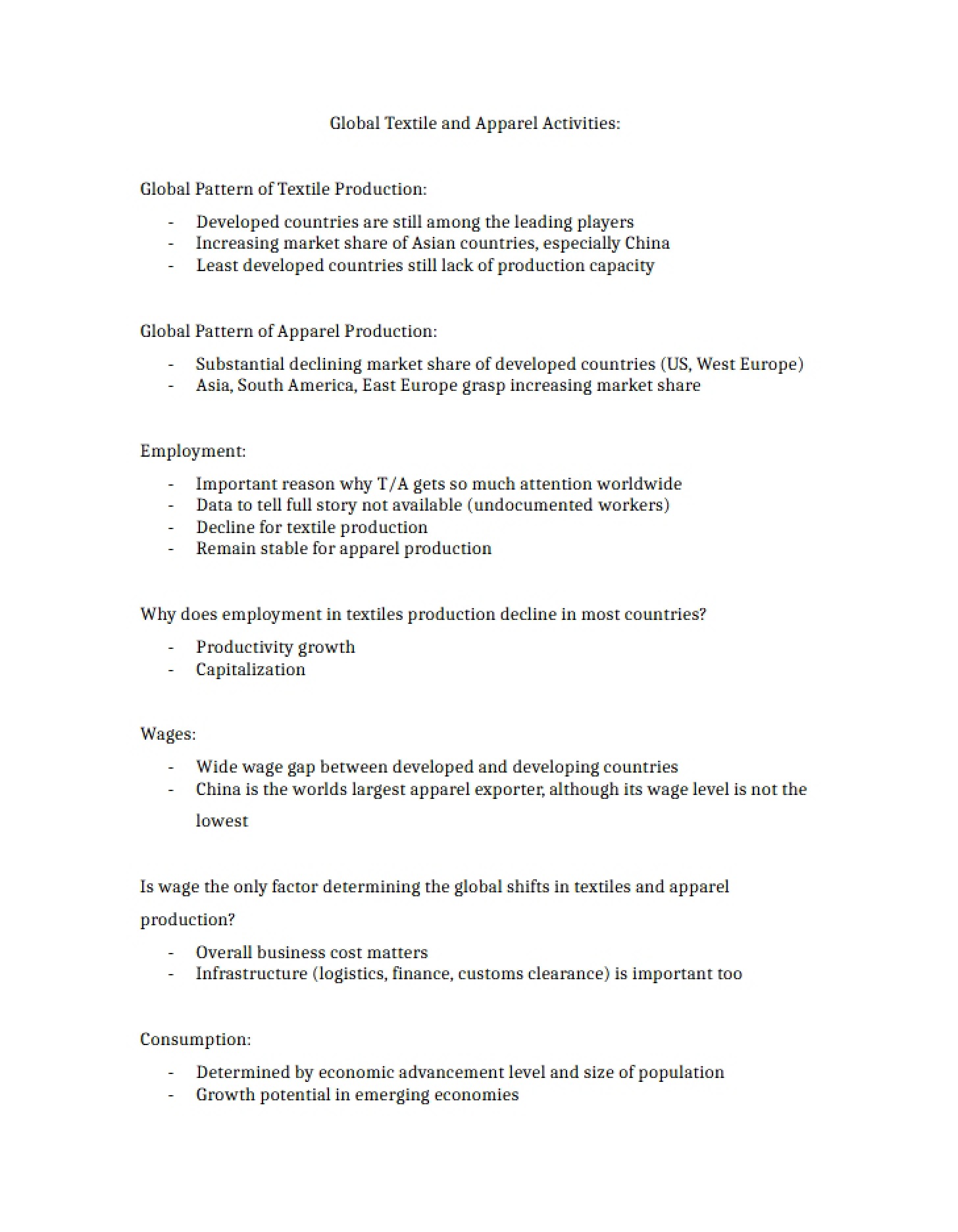
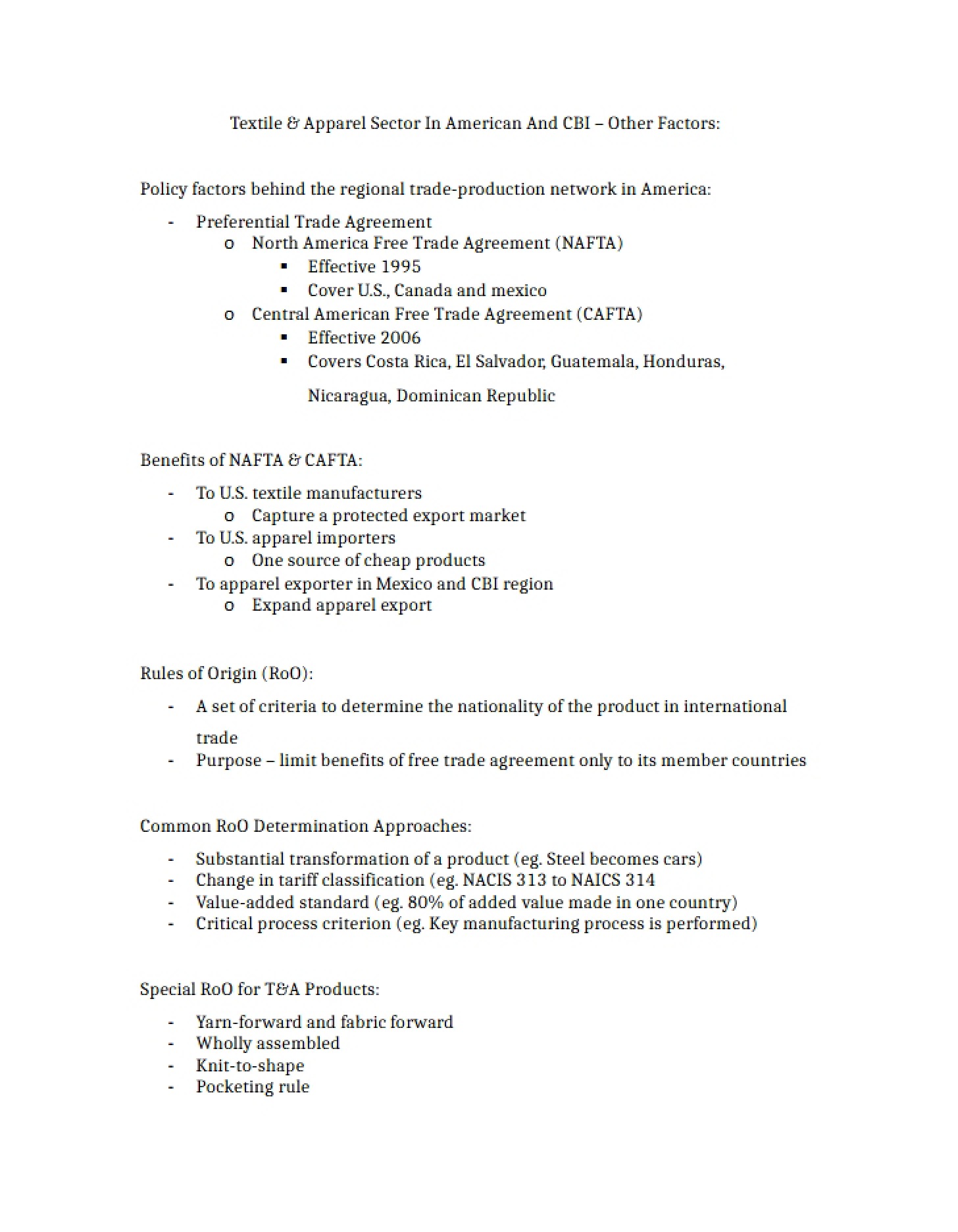
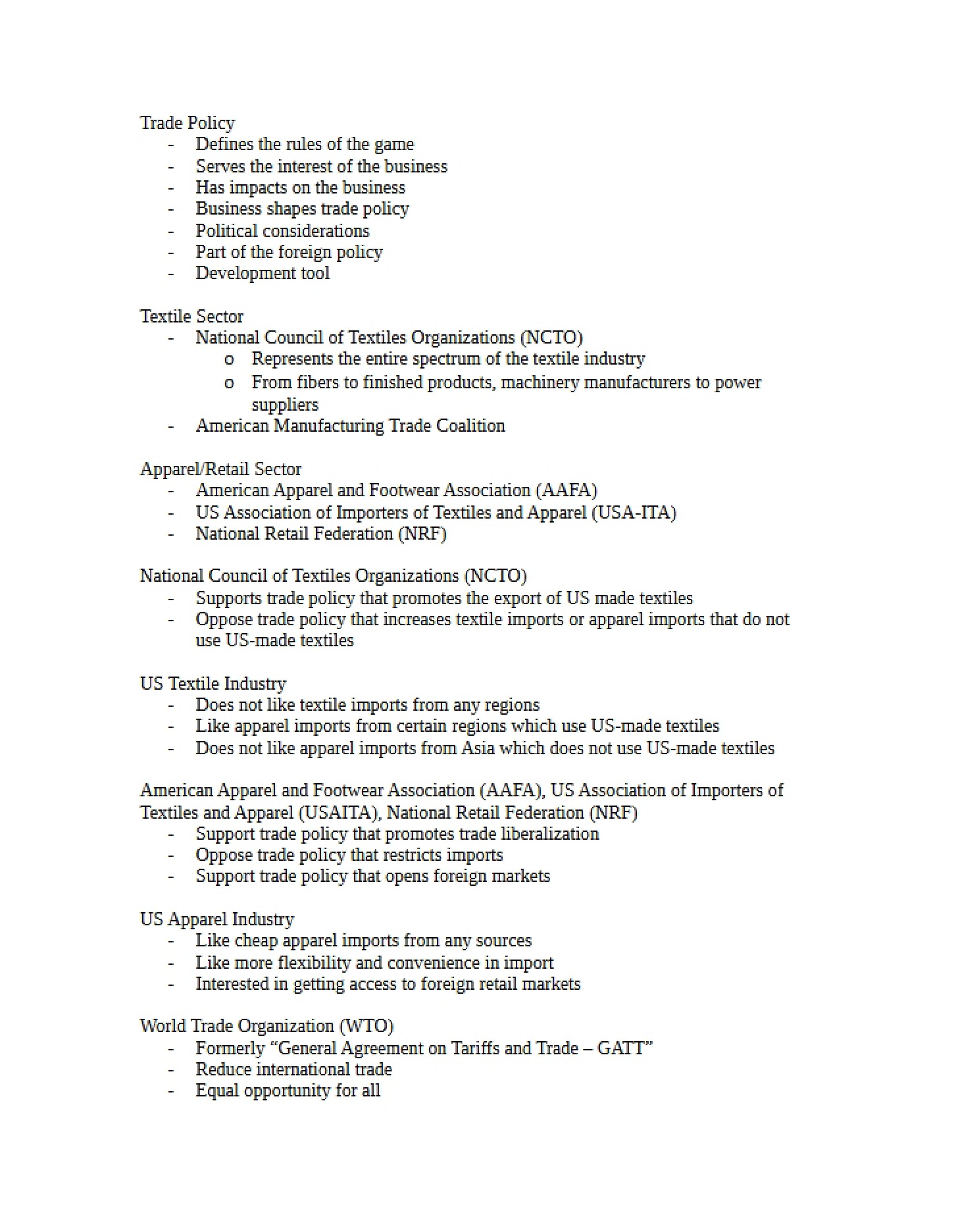
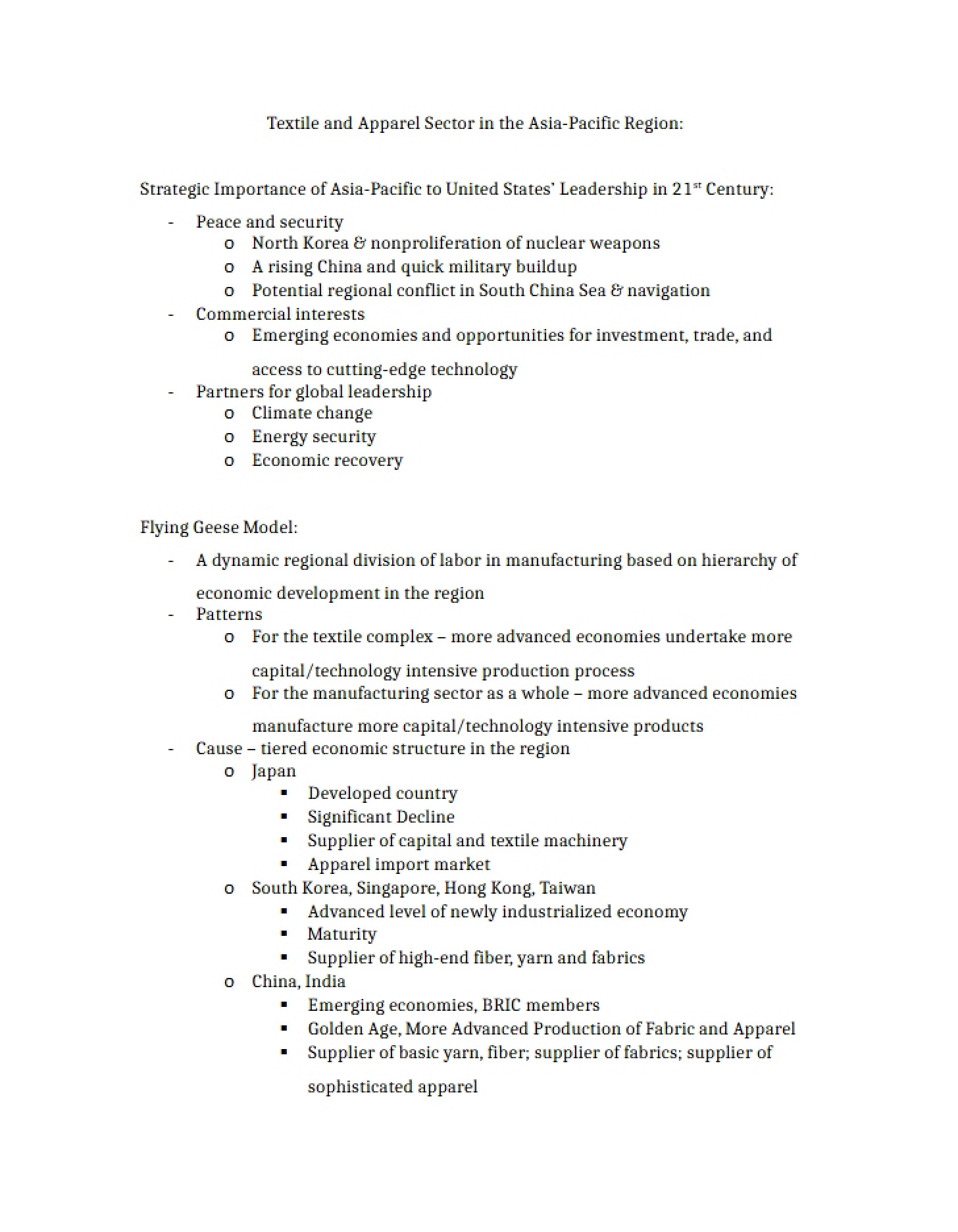
This study guide provides a foundational overview of the global textile and apparel industry, placing it within the broader context of international markets and economic systems. It’s designed for students seeking to understand the complexities of textile trade, production, and the forces shaping this dynamic sector. The material explores how globalization impacts the industry, and how different nations are categorized and positioned within the global textile landscape. It’s a high-level exploration of the interconnectedness of the textile world.
Why This Document Matters
This resource is particularly valuable for students enrolled in textile marketing, international business, supply chain management, or fashion merchandising courses. It’s ideal for those beginning their study of global textile markets, needing a solid base understanding before diving into more specialized topics. Use this guide to prepare for class discussions, build a framework for further research, or gain a broader perspective on the industry’s challenges and opportunities. It’s a great starting point for anyone wanting to understand the ‘big picture’ of textile trade.
Common Limitations or Challenges
This guide focuses on establishing core concepts and classifications. It does *not* offer detailed case studies of specific companies, in-depth financial analyses of textile-producing nations, or predictions of future market trends. It also doesn’t provide specific strategies for businesses operating within the textile sector. The material is foundational and requires further exploration to develop a comprehensive understanding of the subject. It’s a starting point, not an exhaustive resource.
What This Document Provides
* An exploration of the concept of globalization and its key drivers.
* A breakdown of the different segments within the textile complex, including textiles and apparel.
* Classifications of countries based on income levels (using UN standards).
* An overview of different economic and political systems and their relevance to the textile industry.
* Introductions to key country groupings like BRICS and Newly Industrialized Countries (NICs).
* Definitions of important economic indicators like GDP and GNP.