What This Document Is
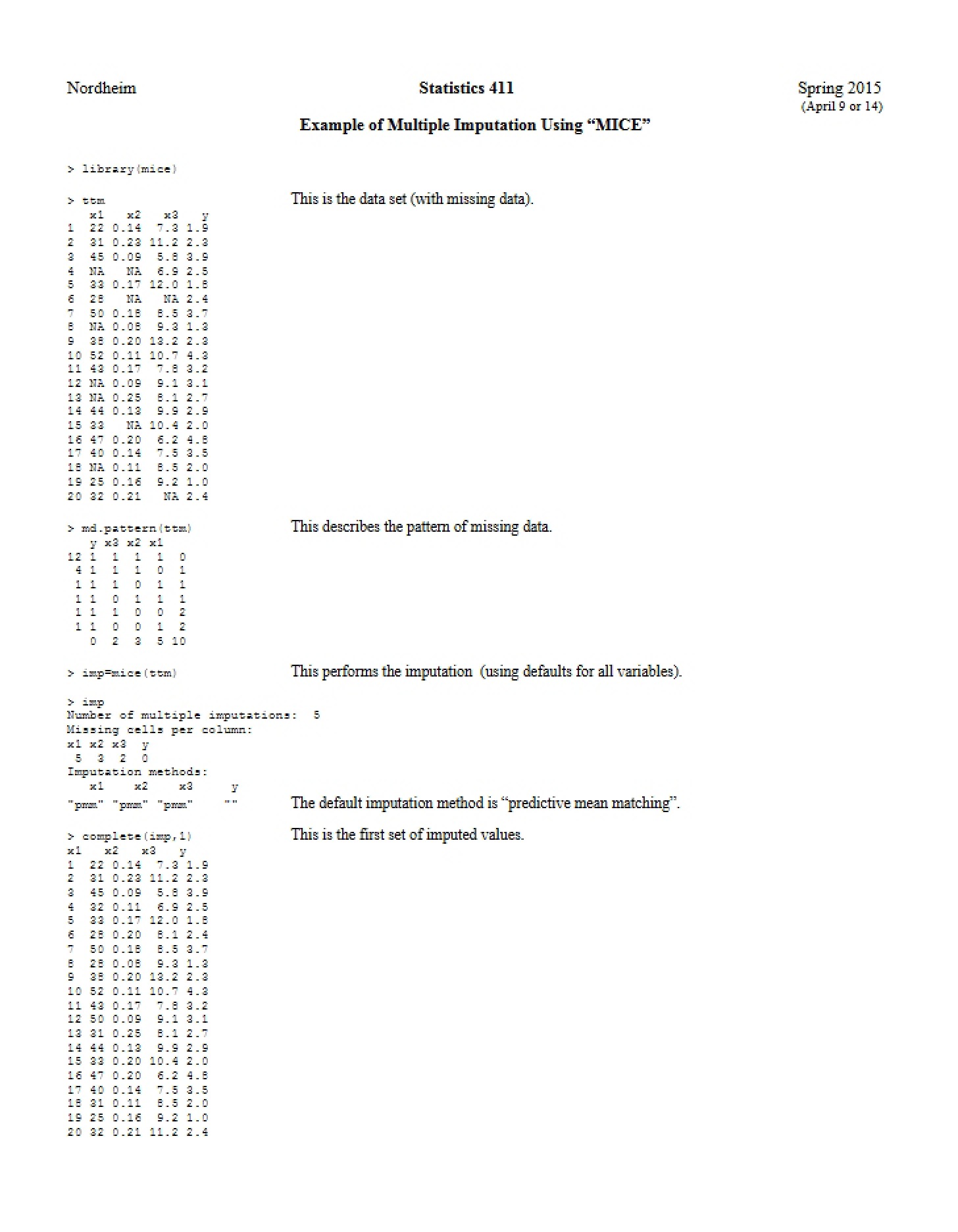
This document is a scholarly paper exploring the methodology of multiple imputation, a statistical technique used to address challenges presented by missing data in research. Originally presented at the American Educational Research Association’s annual meeting, it delves into the theoretical underpinnings and practical considerations of this approach. The work focuses on making this powerful technique more accessible to researchers who may not be familiar with its complexities. It’s a focused exploration of a specific data analysis method, rather than a broad overview of statistical principles.
Why This Document Matters
Researchers and graduate students in fields like education, social sciences, and statistics will find this resource particularly valuable. If you are facing incomplete datasets and seeking robust methods to draw valid inferences, understanding multiple imputation is crucial. This paper is especially helpful if you’re looking for a detailed, yet approachable, explanation of the process – bridging the gap between theoretical understanding and practical application. It’s designed for those who want to move beyond simple data deletion or ad-hoc replacement strategies and embrace a more sophisticated approach to handling missing information.
Common Limitations or Challenges
This paper does not offer a comprehensive guide to all missing data techniques. It concentrates specifically on multiple imputation and doesn’t provide extensive comparisons to alternative methods. While it aims to be accessible, some statistical background is assumed. The document also doesn’t include ready-made code or software tutorials; it focuses on the conceptual understanding of the method. It’s a foundational exploration, not a step-by-step implementation guide.
What This Document Provides
* A discussion of the potential biases introduced by missing data in research.
* An overview of the core principles behind the multiple imputation process.
* An exploration of why addressing missing data is a necessary step in analysis.
* References to further resources for a more in-depth understanding of missing data methodologies.
* Contextualization of multiple imputation within the broader landscape of statistical analysis.