What This Document Is
This is a comprehensive study guide focusing on the anatomy of the ankle and foot. It’s designed to provide a detailed overview of the region’s bony landmarks, associated ligaments, and the muscular structures responsible for movement and stability. The guide explores the complex relationships between the various components, offering a foundational understanding of this critical area of the human body. It’s geared towards students needing a robust resource for learning and retaining anatomical information.
Why This Document Matters
This guide is invaluable for students in gross anatomy, kinesiology, physical therapy, and related healthcare fields. It’s particularly useful when preparing for quizzes, exams, or lab practicals requiring detailed knowledge of ankle and foot anatomy. Understanding this region is crucial for diagnosing injuries, planning treatment strategies, and comprehending biomechanical principles related to movement. It’s best utilized alongside cadaver labs, anatomical models, and other course materials to reinforce learning.
Common Limitations or Challenges
This guide focuses specifically on anatomical structures and their relationships. It does *not* include detailed discussions of clinical applications, pathological conditions, or surgical procedures. While it provides a strong foundation, it’s not a substitute for a complete understanding of biomechanics, neuroanatomy, or the functional aspects of the ankle and foot. It also doesn’t offer interactive elements like quizzes or self-assessment tools.
What This Document Provides
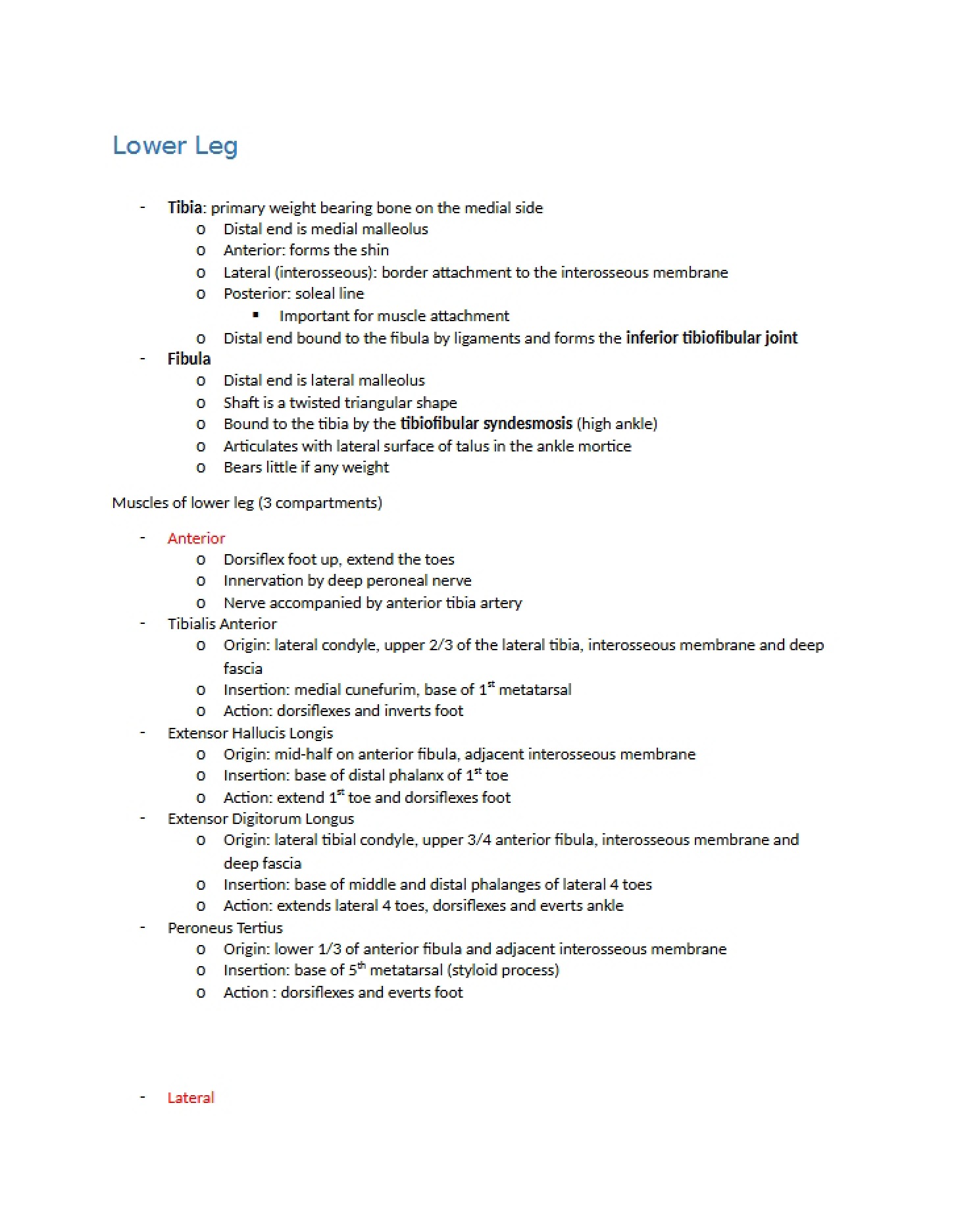
* Detailed descriptions of the bones forming the ankle and foot, including specific features and articulations.
* An overview of the ligaments providing stability to the ankle joint, categorized by location.
* A breakdown of the muscles acting on the foot, including origins, insertions, and general actions.
* Information regarding key anatomical landmarks useful for palpation and clinical assessment.
* A discussion of the retinacula of the ankle and their role in tendon containment.
* An exploration of the arches of the foot and their importance in weight distribution.