What This Document Is
This is a comprehensive study guide focusing on the intricate muscular anatomy of the ankle and foot. It’s designed for students learning regional anatomy, specifically within the lower limb. The guide systematically breaks down the muscles responsible for movement and stability in this complex region, categorizing them by location – plantar, dorsal, and those originating in the lower leg that act upon the foot and ankle. It delves into the organization of these muscles into distinct layers and compartments.
Why This Document Matters
This resource is invaluable for students in gross anatomy courses, physical therapy programs, or anyone needing a detailed understanding of foot and ankle musculature. It’s particularly helpful when preparing for labs, quizzes, or exams requiring precise knowledge of muscle origins, insertions, and actions. Understanding these muscles is also foundational for diagnosing and treating injuries related to the foot and ankle, making it relevant for pre-health professionals. It serves as a strong foundation for understanding biomechanics and functional movement.
Common Limitations or Challenges
This guide focuses specifically on anatomical relationships and muscle characteristics. It does *not* include detailed clinical applications, surgical approaches, or advanced biomechanical analyses. While it provides a foundational understanding, it’s intended to be used in conjunction with cadaver labs, lectures, and other course materials. It also doesn’t cover neurological aspects of muscle innervation in extensive detail, focusing primarily on the muscles themselves.
What This Document Provides
* A categorized overview of the intrinsic muscles of the plantar foot, organized by layer (superficial, second, third, and fourth).
* Detailed exploration of the intrinsic muscles located on the dorsum of the foot.
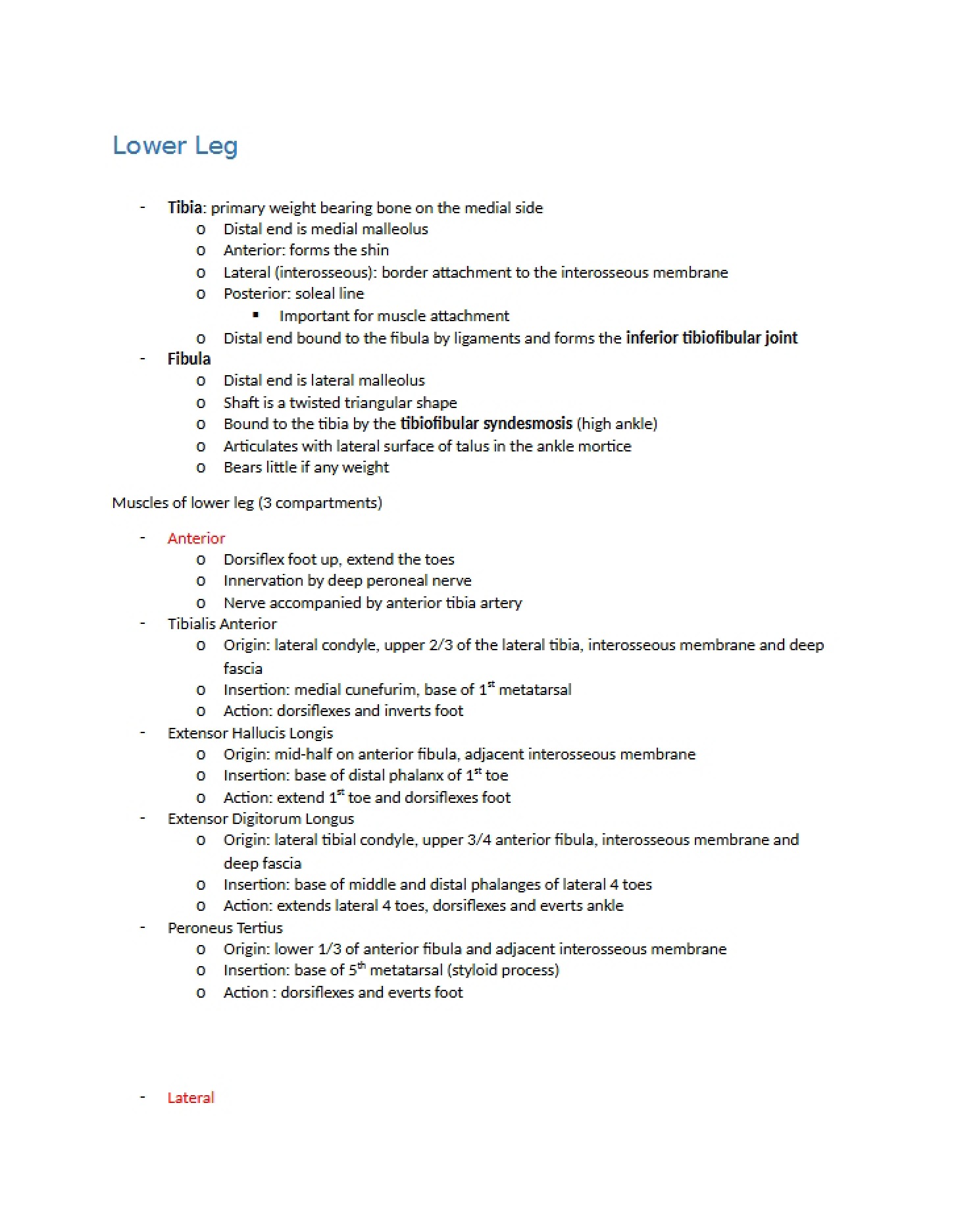
* A breakdown of the muscles of the lower leg that influence ankle and foot movement, divided into anterior, lateral (peroneal), and posterior compartments.
* Systematic presentation of muscle groups, allowing for focused study.
* An organizational framework for understanding the complex relationships between muscles, compartments, and nerve innervation.