What This Document Is
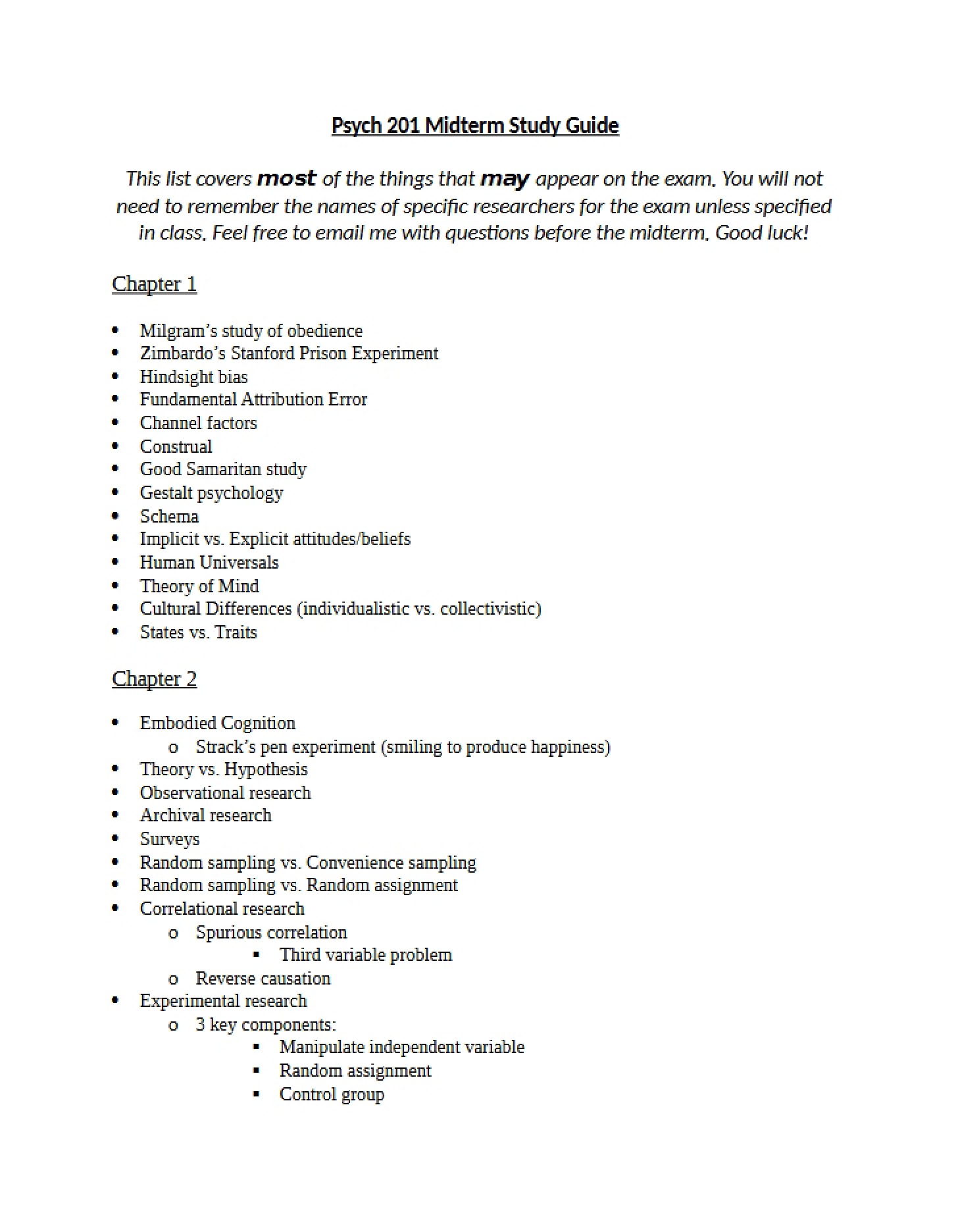
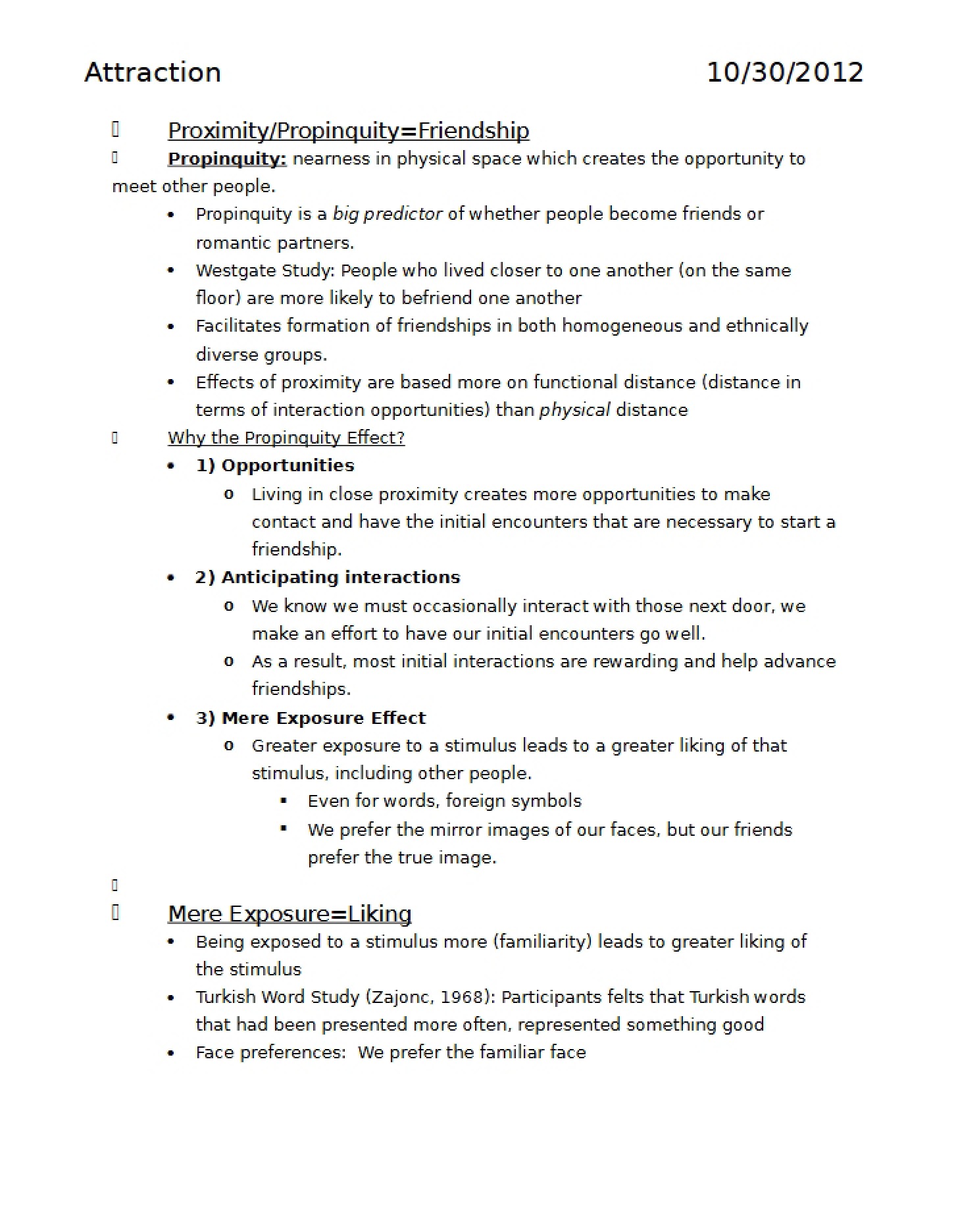
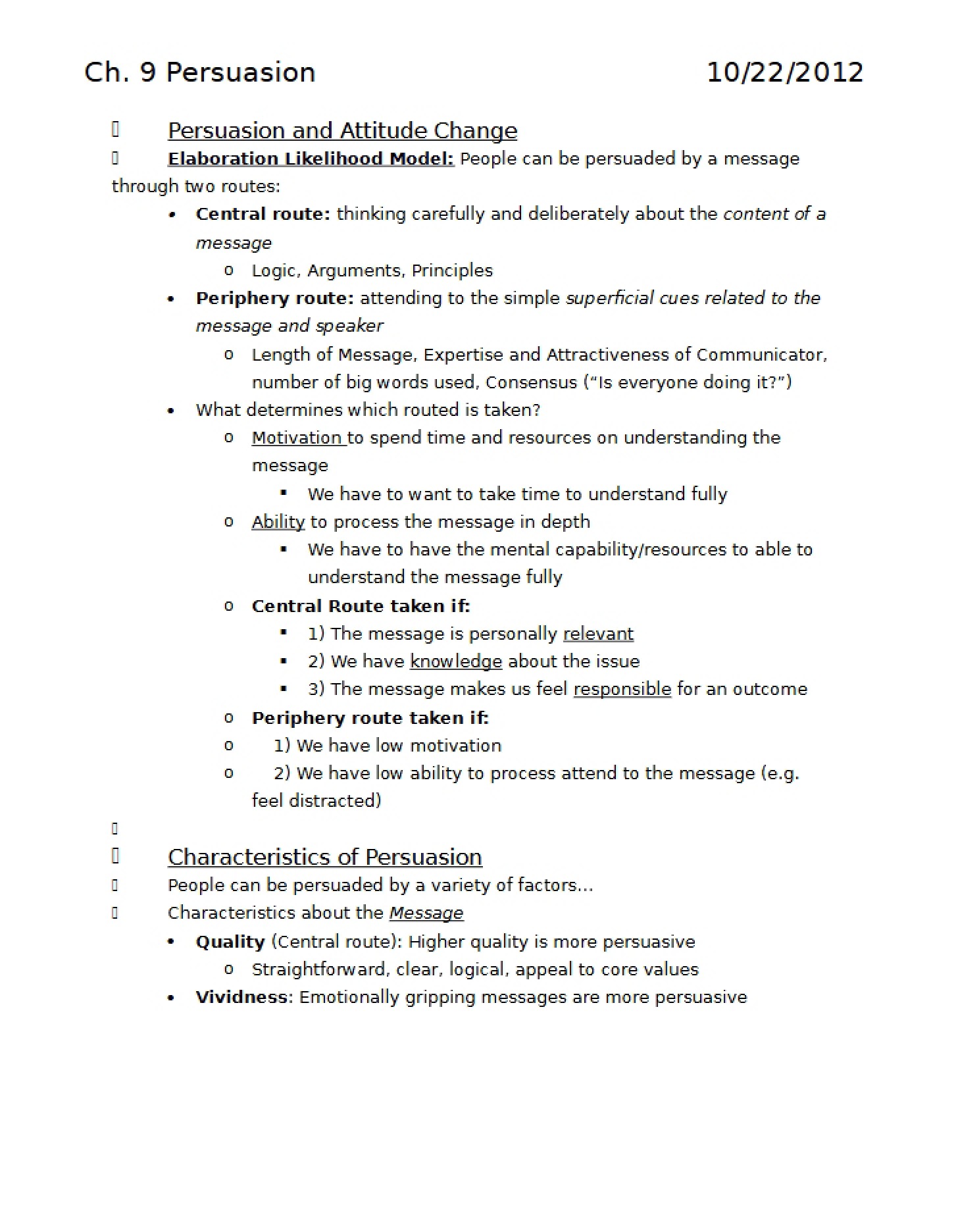
This is a comprehensive study guide focusing on the core principles of attribution theory within the field of social psychology. Specifically, it delves into how individuals perceive and explain the causes of events and behaviors, both their own and those of others. It’s designed for students in an introductory or intermediate psychology course, likely at the university level. The material appears to be based on established textbook chapters and research studies.
Why This Document Matters
This resource is invaluable for students seeking a deeper understanding of how we make sense of the social world. It’s particularly helpful when preparing for exams, completing assignments requiring application of attributional concepts, or simply aiming to improve comprehension of complex social interactions. Students grappling with understanding biases in judgment, the impact of framing, and the role of schemas will find this guide particularly beneficial. It’s best used *alongside* course readings and lectures to reinforce learning.
Common Limitations or Challenges
This guide is designed to *supplement* course materials, not replace them. It does not provide original research data or conduct new analyses. It focuses on summarizing and organizing key concepts, but won’t offer step-by-step instructions for conducting research or solving complex problems. It also assumes a foundational understanding of basic psychological terminology. It does not include practice questions or assessments.
What This Document Provides
* An overview of attribution theory and its fundamental concepts.
* Exploration of how initial impressions and readily available information influence our causal judgments.
* Discussion of cognitive processes involved in information seeking and processing, including biases like confirmation bias.
* Examination of the interplay between conscious and unconscious thought processes (bottom-up vs. top-down processing).
* Analysis of the impact of counterfactual thinking and emotional reactions on attribution.
* Consideration of cultural influences on how individuals attribute causes to events.
* Key terms and concepts related to errors and biases in attributional thinking.