What This Document Is
This study guide provides preparatory material for Lecture 8 of CHEM 360: Chemistry of the Environment at the University of Illinois at Urbana-Champaign (Spring 2016). It’s designed to help students solidify their understanding of key concepts *before* engaging with the lecture content, fostering a more productive learning experience. The material builds upon previous discussions and introduces new areas related to atmospheric chemistry and pollution.
Why This Document Matters
This resource is particularly beneficial for students who want to proactively prepare for class, review challenging topics, or reinforce their comprehension of complex environmental chemistry principles. It’s ideal for use *before* attending Lecture 8, and can also serve as a valuable reference point when completing related assignments or studying for assessments. Students who utilize this guide will be better equipped to participate in class discussions and grasp the nuances of atmospheric processes.
Topics Covered
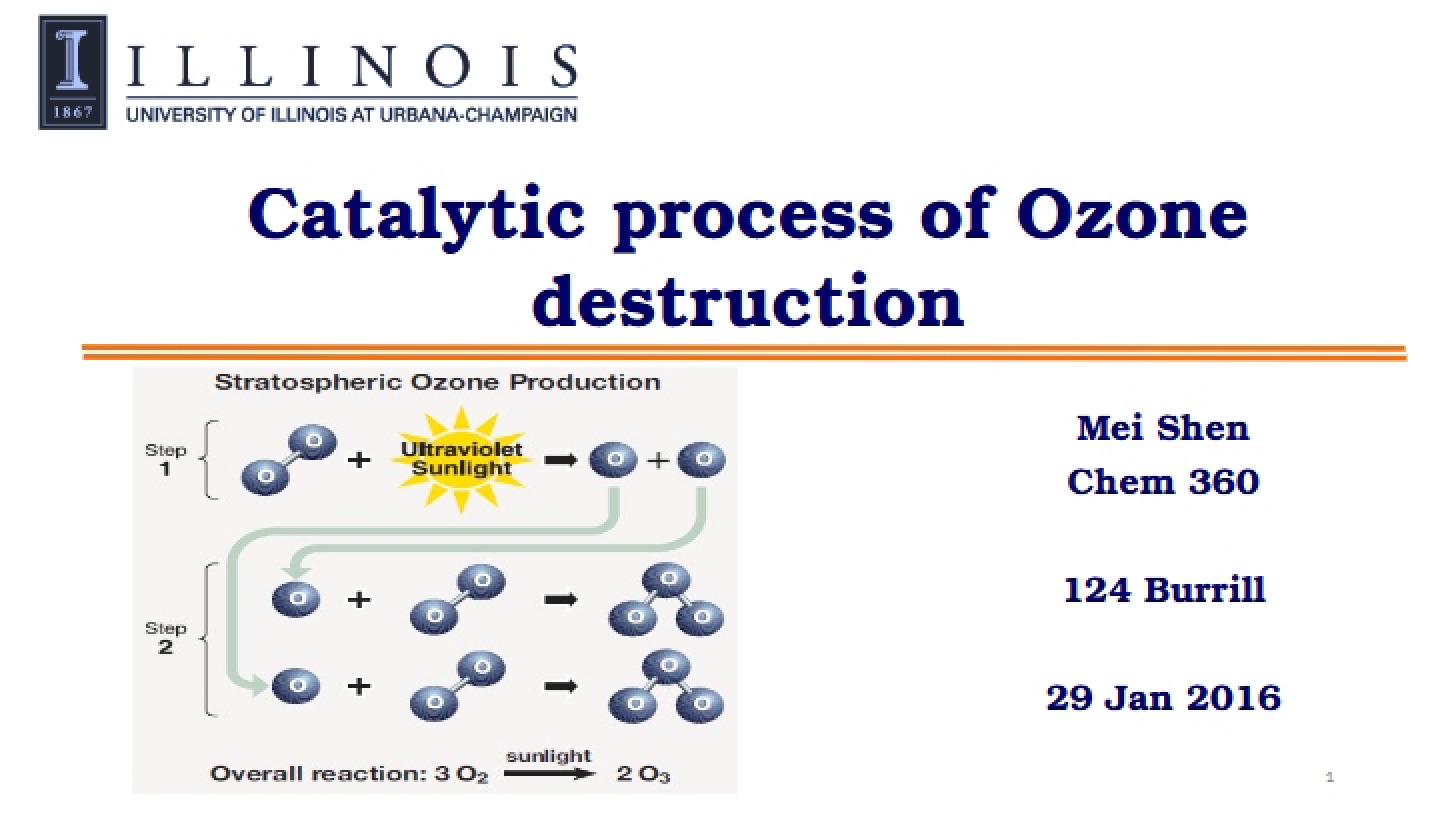
* Completion of the discussion surrounding the ozone hole phenomenon.
* An introduction to the complexities of ground-level air pollution.
* Methods for quantifying atmospheric pollutants, including units of concentration.
* Exploration of chemical reactions occurring within the troposphere.
* Examination of international efforts to address ozone depletion.
* An overview of alternative compounds developed as replacements for ozone-depleting substances.
* Principles of green chemistry and their application to environmental challenges.
What This Document Provides
* Thought-provoking questions designed to stimulate critical thinking about ozone depletion and recovery.
* Discussion prompts for collaborative learning and deeper engagement with the material.
* Visual representations of data related to the production and concentration of key atmospheric chemicals.
* An introduction to the Montreal Protocol and its impact on global chemical production.
* An overview of the core tenets of green chemistry and its relevance to pollution mitigation.
* Contextual information regarding the development of environmentally friendly alternatives to traditional compounds.