What This Document Is
This is a lecture resource from a University of Illinois at Urbana-Champaign course on the Chemistry of the Environment (CHEM 360). It focuses specifically on the phenomenon known as the “Ozone Hole,” exploring its causes, characteristics, and historical context. The material appears to be designed for students seeking a detailed understanding of stratospheric ozone depletion and the chemical processes involved. It’s presented in a lecture format, suggesting it accompanies in-person instruction.
Why This Document Matters
This resource is ideal for students enrolled in environmental chemistry, atmospheric science, or related fields. It’s particularly valuable when studying air quality, pollution, and the impact of human activities on the Earth’s atmosphere. It would be most helpful when preparing for exams, completing assignments, or seeking a deeper understanding of the scientific basis behind ozone depletion policies and international agreements. Access to the full content will provide a comprehensive foundation for further study in this critical area.
Topics Covered
* The definition and measurement of ozone concentration using the Dobson Unit.
* The specific conditions necessary for the formation of ozone holes, particularly over the South Pole.
* The role of stratospheric halogen gases in ozone depletion.
* The formation and significance of the Polar Vortex and Polar Stratospheric Clouds.
* Historical data and trends related to the size and severity of the Antarctic ozone hole.
* Methods for characterizing the extent of polar ozone depletion.
What This Document Provides
* Detailed explanations of key concepts related to ozone chemistry.
* Visual aids, including graphs and diagrams, illustrating ozone distribution and depletion.
* References to important scientific discoveries and researchers in the field.
* Discussion points and questions designed to stimulate critical thinking.
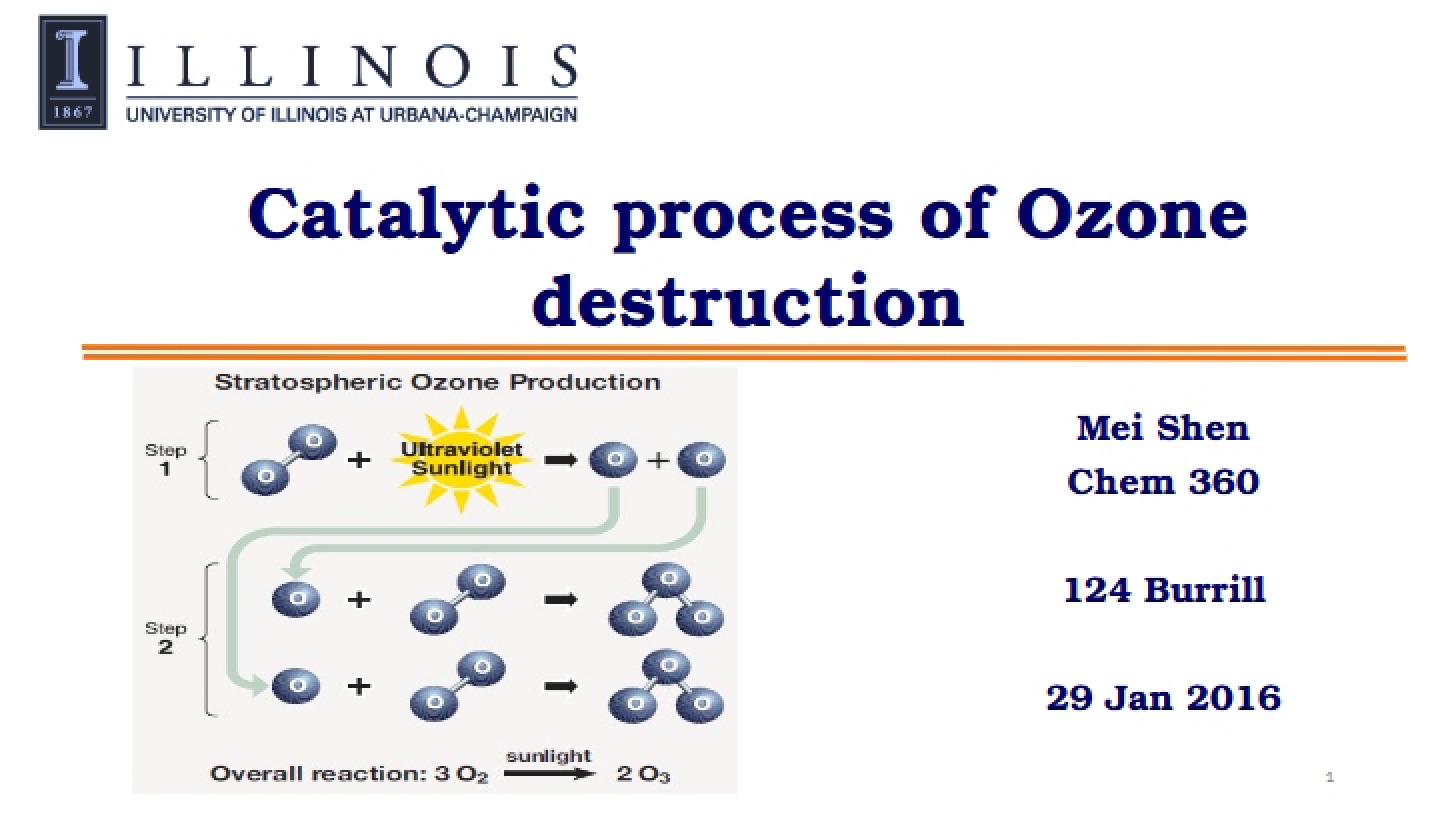
* An overview of the chemical reactions involved in ozone destruction.