What This Document Is
This document represents pre-lecture materials for CHEM 360: Chemistry of the Environment at the University of Illinois at Urbana-Champaign, specifically for Lecture 8 from Spring 2016. It’s designed to prepare students for an in-depth discussion of atmospheric chemistry, building upon previous concepts related to ozone depletion and introducing new areas of concern regarding air quality. The material bridges theoretical understanding with real-world implications, prompting critical thinking through integrated activities.
Why This Document Matters
This resource is invaluable for students enrolled in CHEM 360 seeking to solidify their understanding of atmospheric pollutants and their impact on the environment. It’s best utilized *before* attending the corresponding lecture to maximize comprehension and engagement. Students preparing for related coursework or exams covering atmospheric chemistry, environmental regulations, or green chemistry principles will also find this a helpful review and foundation-builder. It’s particularly useful for those wanting to proactively engage with the material and participate more effectively in class discussions.
Topics Covered
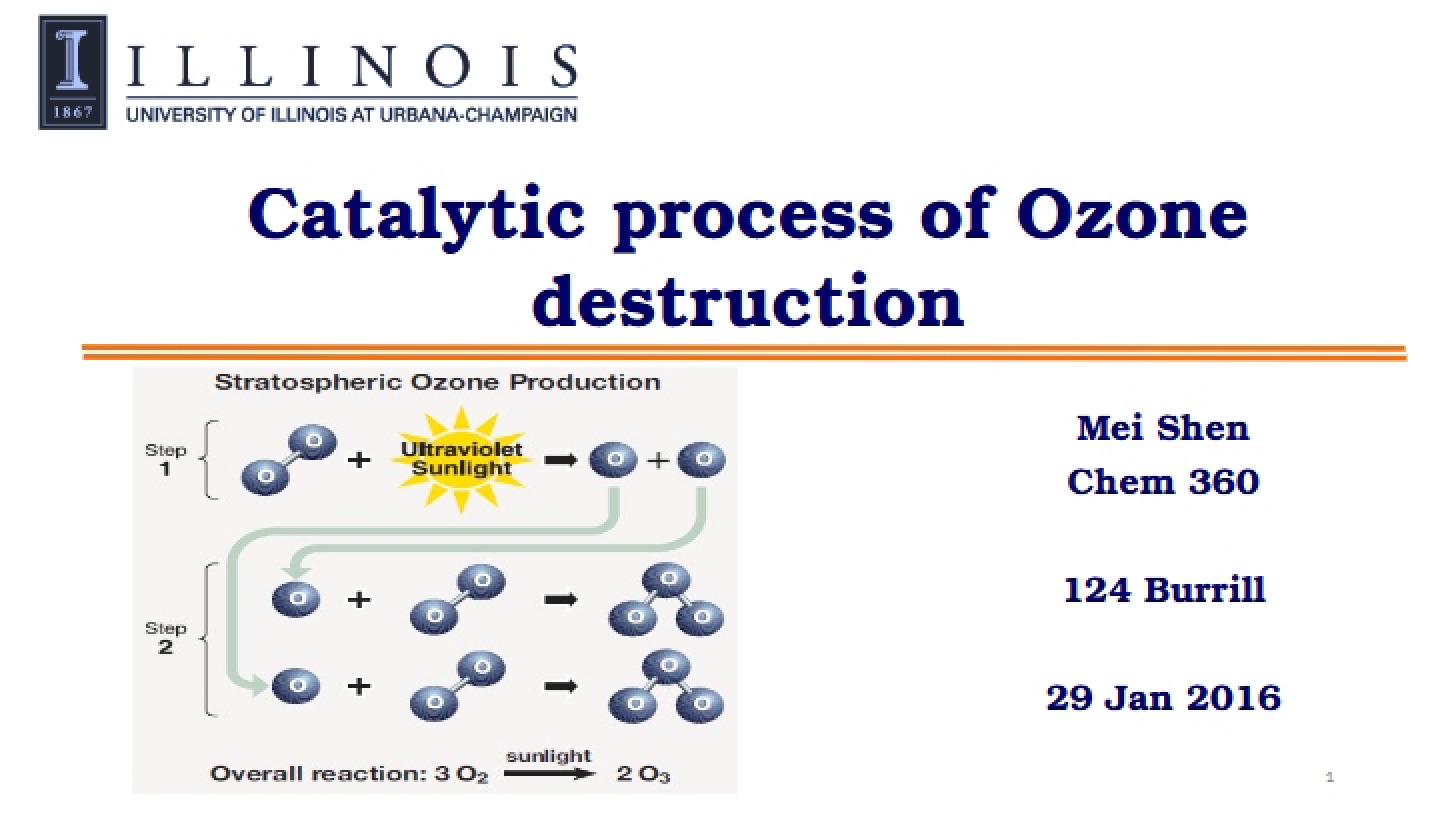
* Completion of discussion regarding the ozone hole phenomenon.
* Introduction to the complexities of ground-level air pollution.
* Methods for quantifying atmospheric pollutants, including composition and concentration units.
* Exploration of chemical processes occurring within the troposphere.
* Examination of international efforts to address ozone depletion, such as the Montreal Protocol.
* Investigation of alternative substances developed as replacements for ozone-depleting chemicals.
* Principles of green chemistry and their application to environmental challenges.
What This Document Provides
* Thought-provoking questions designed to assess understanding of key concepts.
* Opportunities for collaborative learning through suggested group discussion activities.
* Visual aids, including graphs and figures, illustrating trends in pollutant production and concentration.
* An overview of the Montreal Protocol and its impact on atmospheric chemistry.
* An introduction to the core principles of green chemistry and their relevance to pollution mitigation.
* A starting point for exploring the benefits and drawbacks of alternative chemical compounds.