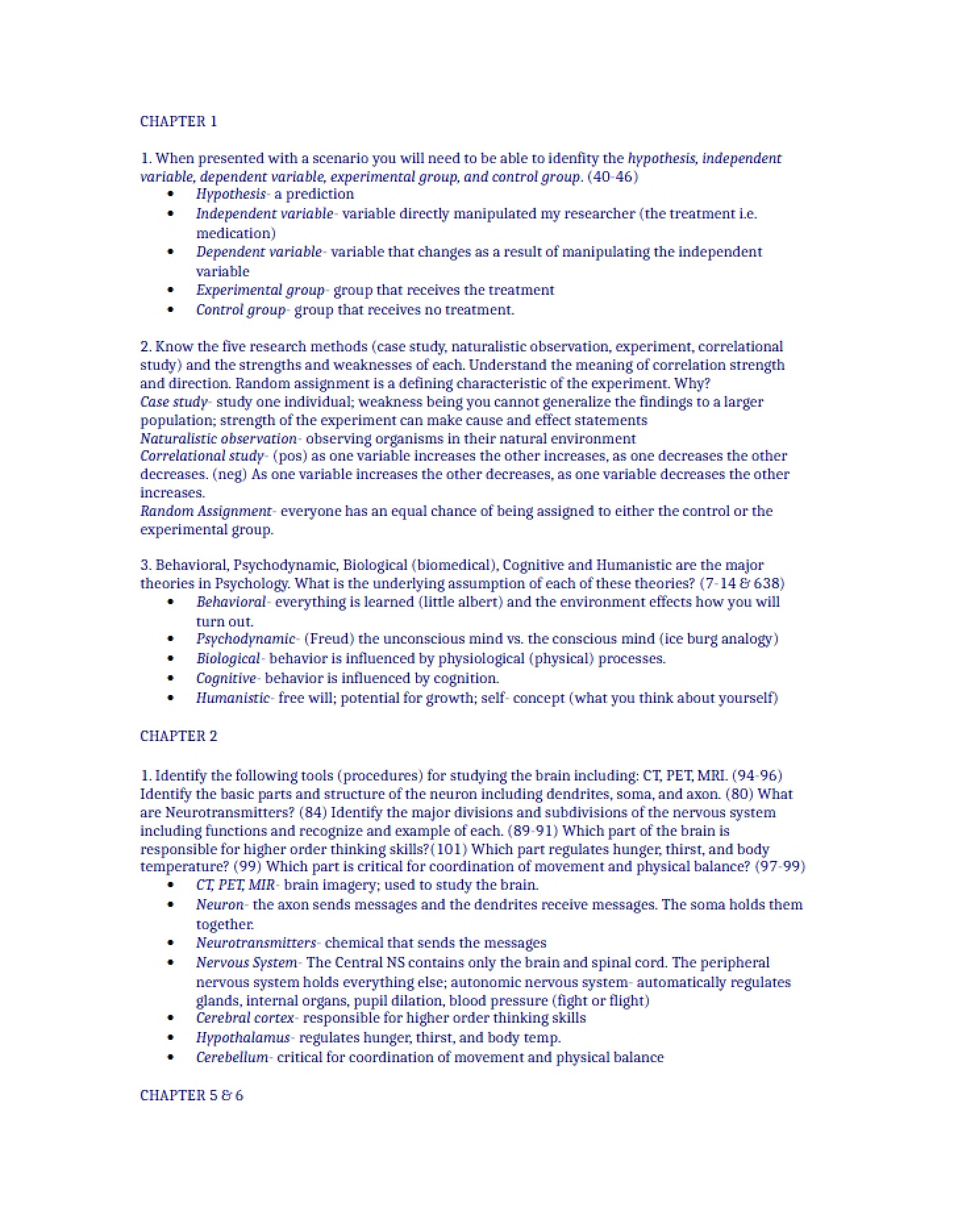
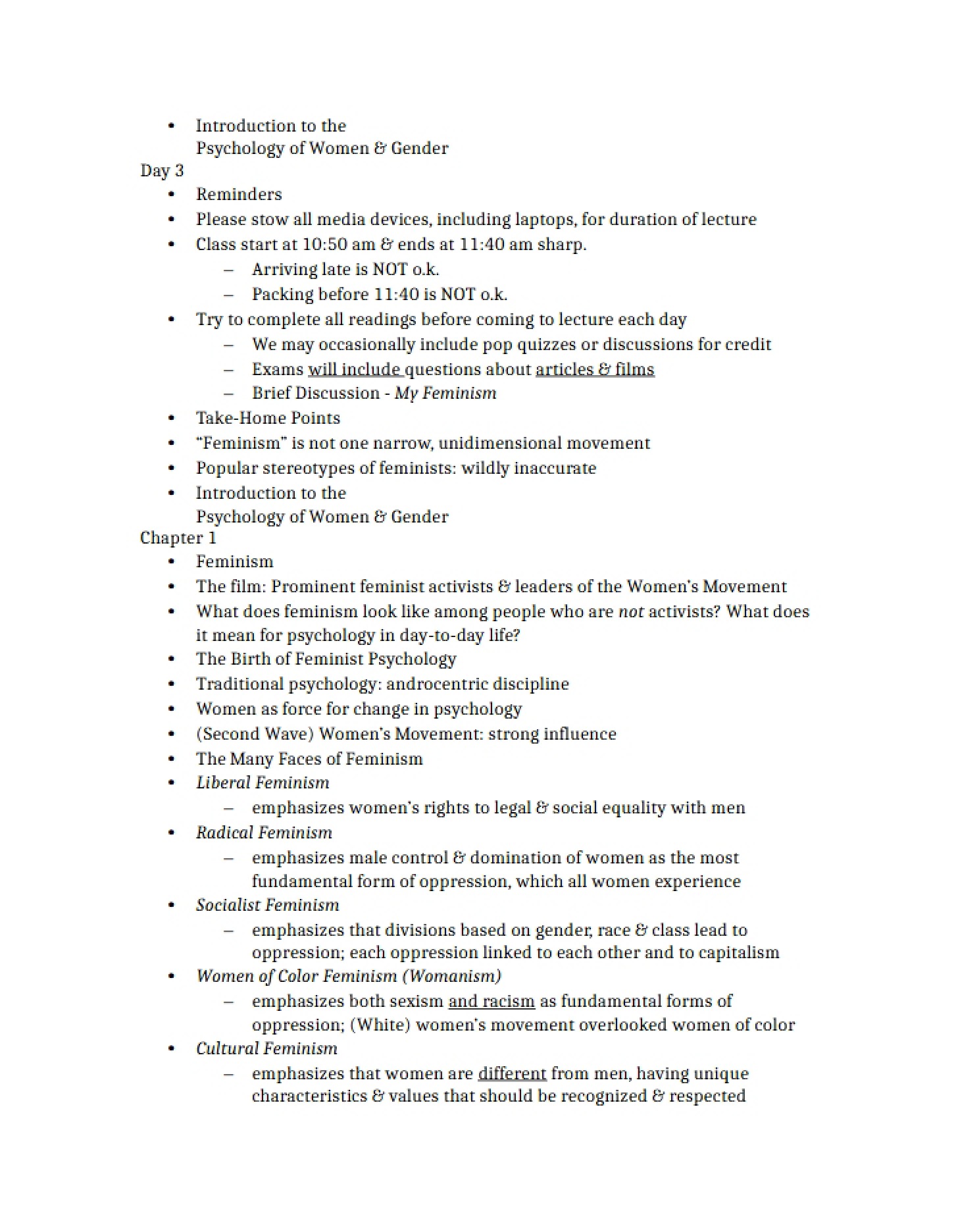
What This Document Is
This is a detailed chapter outline for Psychology 310 at the University of South Carolina, focusing on the critical topic of gender stereotypes and broader gender biases. It serves as a foundational resource for understanding the complex ways societal beliefs about gender impact perceptions, attitudes, and behaviors. The outline systematically explores the historical and cultural roots of these biases, moving into contemporary manifestations and psychological impacts.
Why This Document Matters
This study guide is invaluable for students enrolled in Psychology of Women or related courses seeking a comprehensive overview of gender bias. It’s particularly helpful when beginning your study of the subject, preparing for class discussions, or formulating research questions. Anyone interested in gaining a deeper understanding of the psychological underpinnings of gender inequality will find this outline a useful starting point. It’s best utilized *before* diving into extensive readings and research, to provide a framework for understanding key concepts.
Common Limitations or Challenges
This outline provides a structural overview and identifies core themes, but it does not contain the full arguments, research findings, or detailed analyses presented in the complete chapter. It will not offer specific case studies, empirical data, or direct answers to potential exam questions. Think of it as a roadmap – it shows you *where* the information is, but not the information itself. It is designed to complement, not replace, the full course materials.
What This Document Provides
* A breakdown of the relationship between gender stereotypes, prejudice, and discrimination.
* An exploration of the concept of androcentrism and its implications.
* Identification of key areas where biased language impacts perceptions.
* An overview of how media representations contribute to and reflect gender biases.
* Discussion of the psychological dimensions of beliefs about women and men, including concepts of communion and agency.
* Introduction to the complexities of intersectionality and its relevance to understanding gender bias.
* Examination of different forms of sexism – hostile, benevolent, and ambivalent – and their characteristics.