What This Document Is
This material represents Part Three of a comprehensive course exploring the Psychology of Women, specifically designed for students at the University of South Carolina (PSYC 310). It delves into the foundational concepts and diverse perspectives within the field, moving beyond simple definitions to examine the historical and social contexts shaping our understanding of women’s experiences. The content appears to be lecture-based, supplemented by readings and film analysis, and aims to provide a nuanced exploration of gender and its impact on psychological processes. It’s structured to build a strong theoretical framework for further study.
Why This Document Matters
This resource is invaluable for students enrolled in PSYC 310, or anyone seeking a deeper understanding of feminist psychology. It’s particularly helpful for preparing for lectures, clarifying complex concepts discussed in class, and forming a solid base for exam preparation. Students who utilize this material will be better equipped to critically analyze psychological research through a gendered lens and engage in informed discussions about the social and political implications of psychological theory. It’s most beneficial when used *in conjunction* with assigned readings and class participation.
Common Limitations or Challenges
This material is designed as a supportive learning tool and does not function as a substitute for attending lectures or completing assigned coursework. It does not offer complete solutions to complex psychological questions, nor does it provide a shortcut to understanding the nuances of feminist thought. The content focuses on theoretical frameworks and historical context; it does not offer practical applications or case studies. It’s important to remember that this is *part* of a larger course and requires the full context of the curriculum for complete comprehension.
What This Document Provides
* An introduction to core feminist ideologies and their historical development.
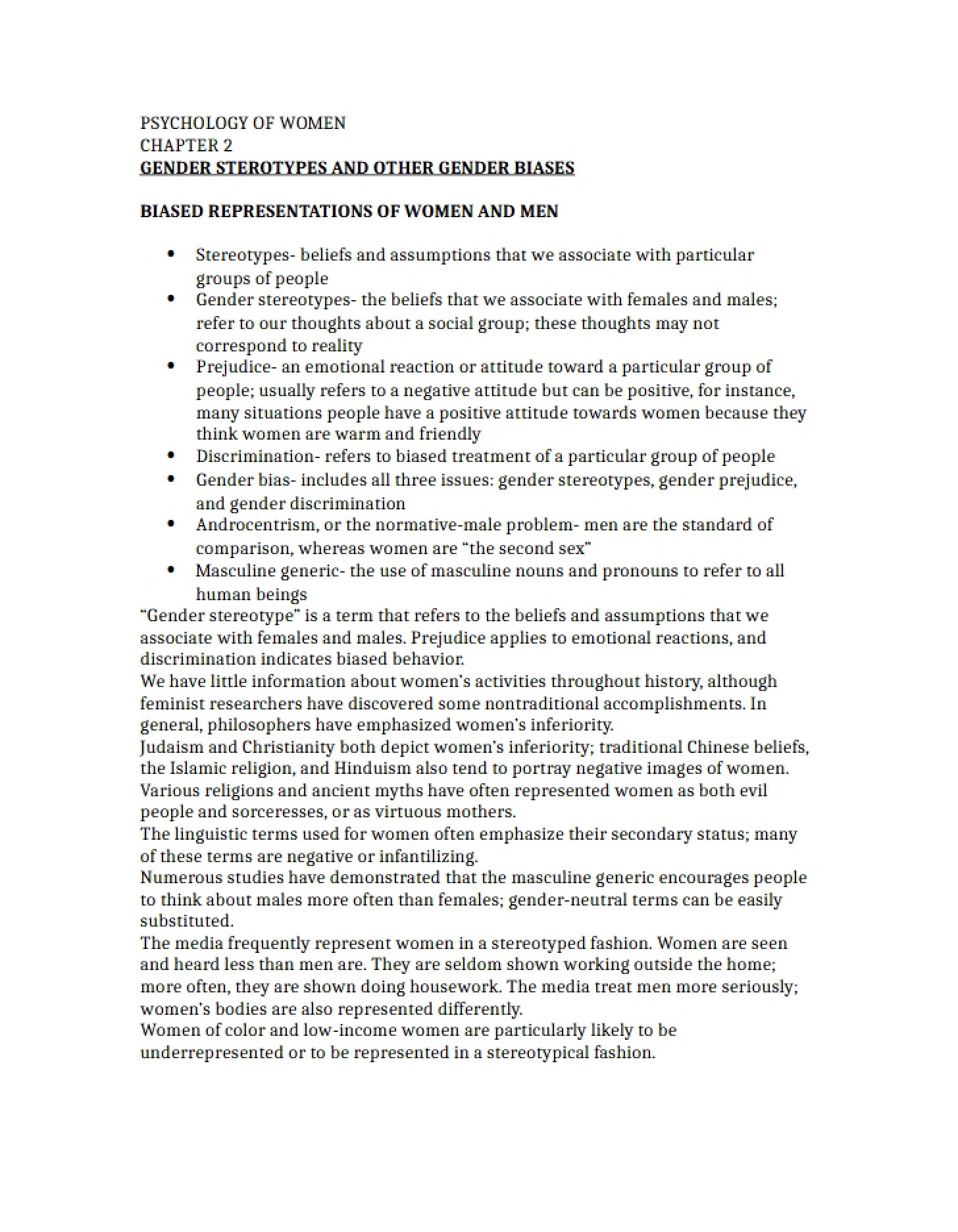
* Exploration of different schools of feminist thought, including their key tenets and areas of emphasis.
* Discussion of the historical influence of the Women’s Movement on the field of psychology.
* Consideration of the challenges and criticisms faced by feminist perspectives.
* A framework for understanding the importance of gender in psychological research and theory.
* Insights into common misconceptions surrounding feminism and its advocates.