What This Document Is
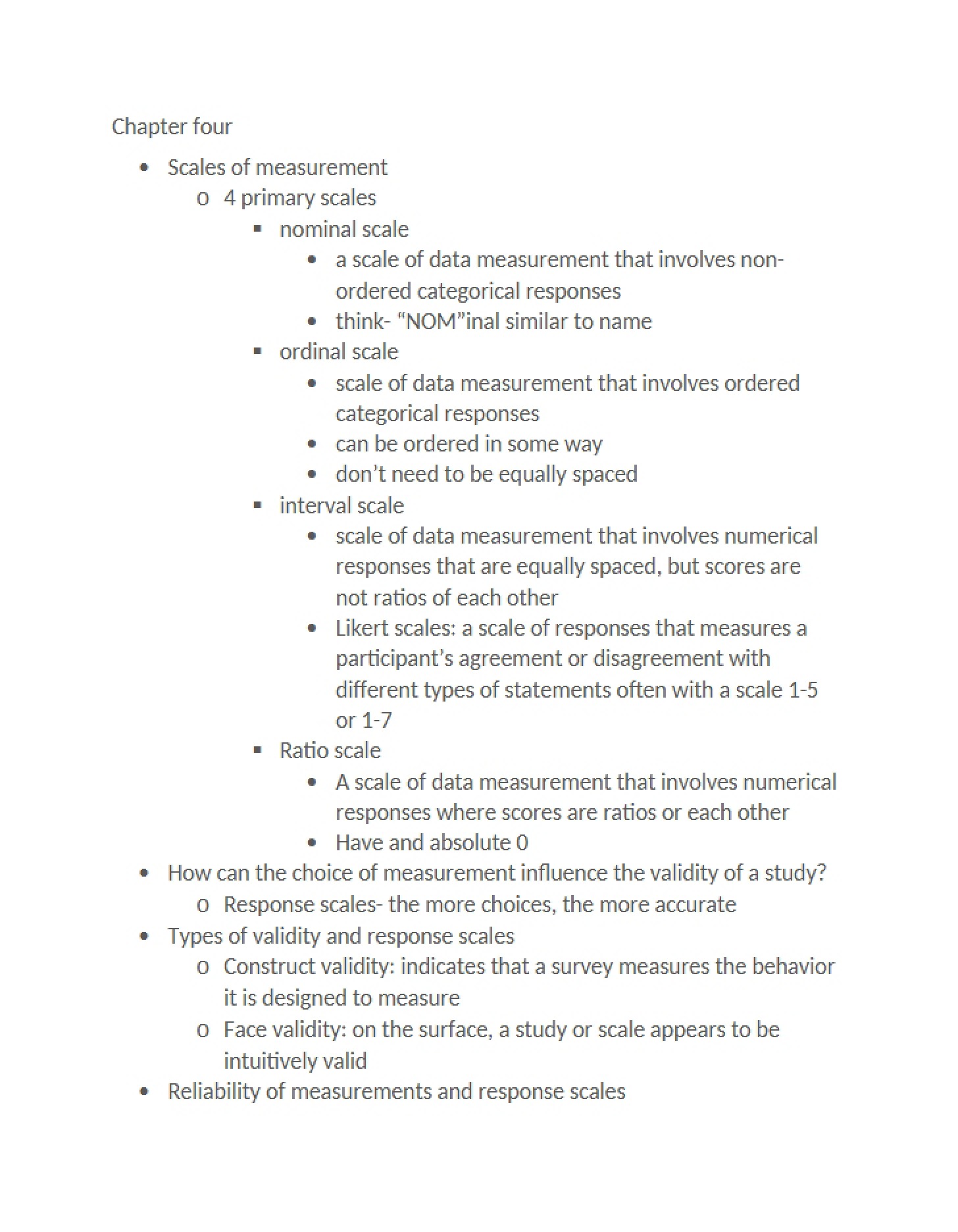
This resource is a focused study guide designed to support students in PSYC 226: Research Methods in Psychology at the University of South Carolina. Specifically, it centers on the core principles and practical applications covered in Chapter Four of the course materials. It’s structured to help you review and solidify your understanding of various research approaches used to investigate psychological phenomena. The material is presented in a format geared towards test preparation and deeper comprehension of the scientific method as applied to the field of psychology.
Why This Document Matters
This study guide is invaluable for any student preparing for assessments related to research methodologies. It’s particularly helpful if you’re finding it challenging to differentiate between various research designs, understand the strengths and weaknesses of each approach, or grasp the importance of valid data collection. Students who utilize this resource will be better equipped to critically evaluate research studies and design their own investigations. It’s best used *after* engaging with the primary course materials – lectures, textbook readings – to reinforce learning and identify areas needing further attention.
Common Limitations or Challenges
This guide is designed as a *review* tool, and therefore does not substitute for a thorough reading of the course textbook or attendance in lectures. It will not provide detailed explanations of statistical analyses or the historical context of research methods. Furthermore, it does not offer complete, ready-made answers to complex research questions; instead, it focuses on building a foundational understanding of the concepts. Access to the full resource is required to unlock the specific details and practice questions contained within.
What This Document Provides
* A focused review of key concepts related to observational techniques in psychological research.
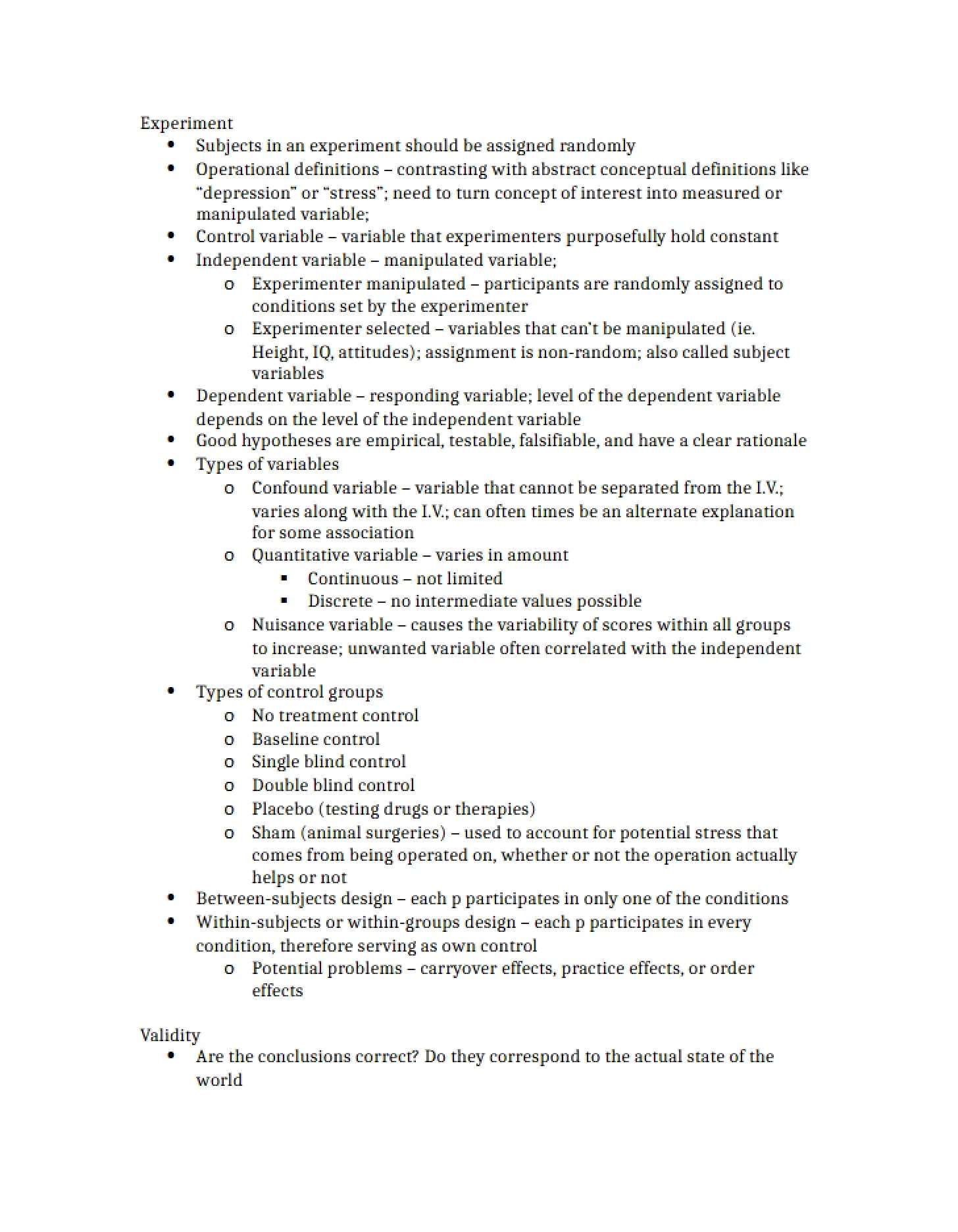
* An overview of different research designs, including experimental, quasi-experimental, and correlational approaches.
* Clarification of important terminology related to research validity and reliability.
* A review of various data collection methods, including naturalistic observation, surveys, and archival research.
* Key definitions of core concepts to aid in memorization and application.
* Practice questions designed to test your understanding of the material.