What This Document Is
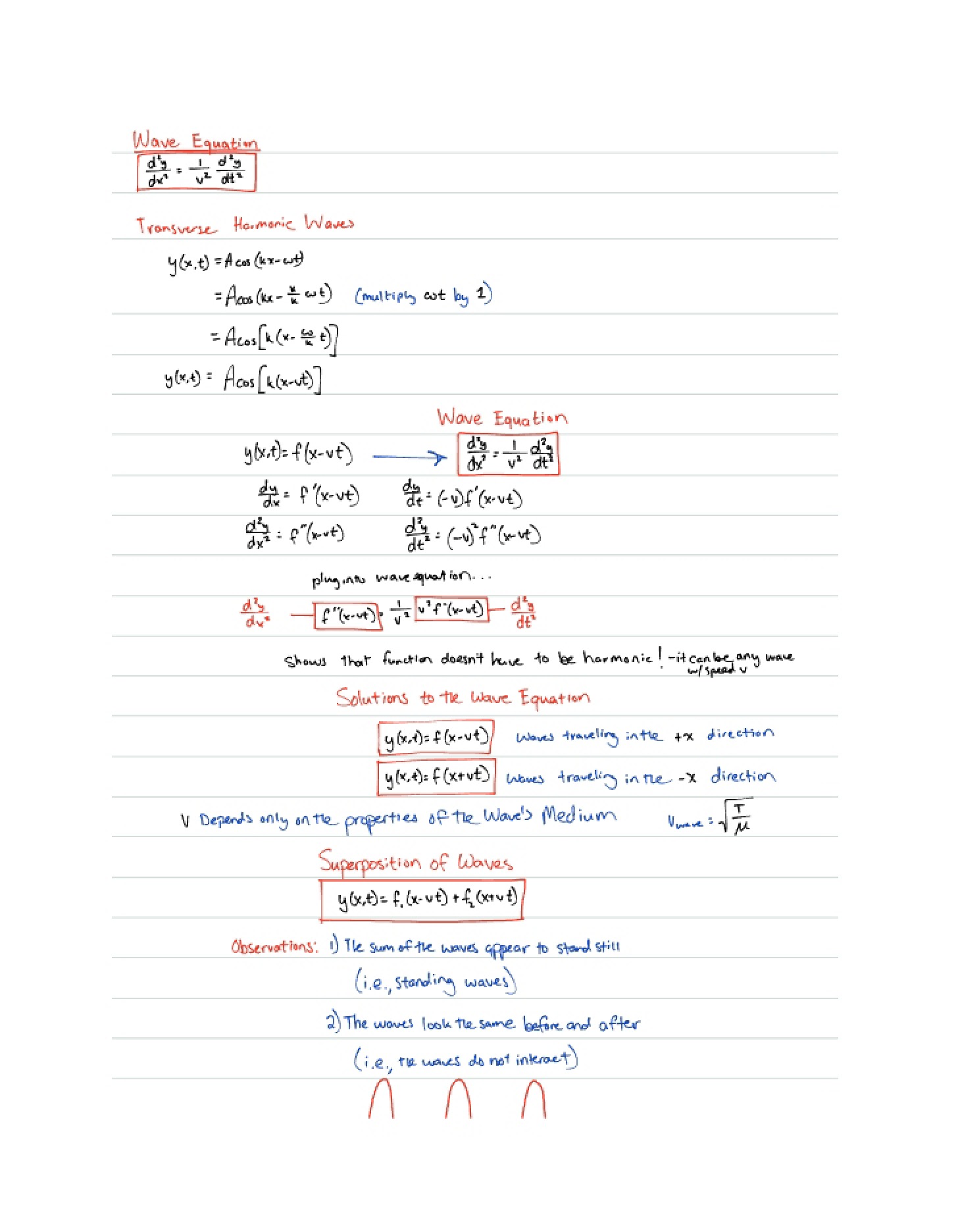
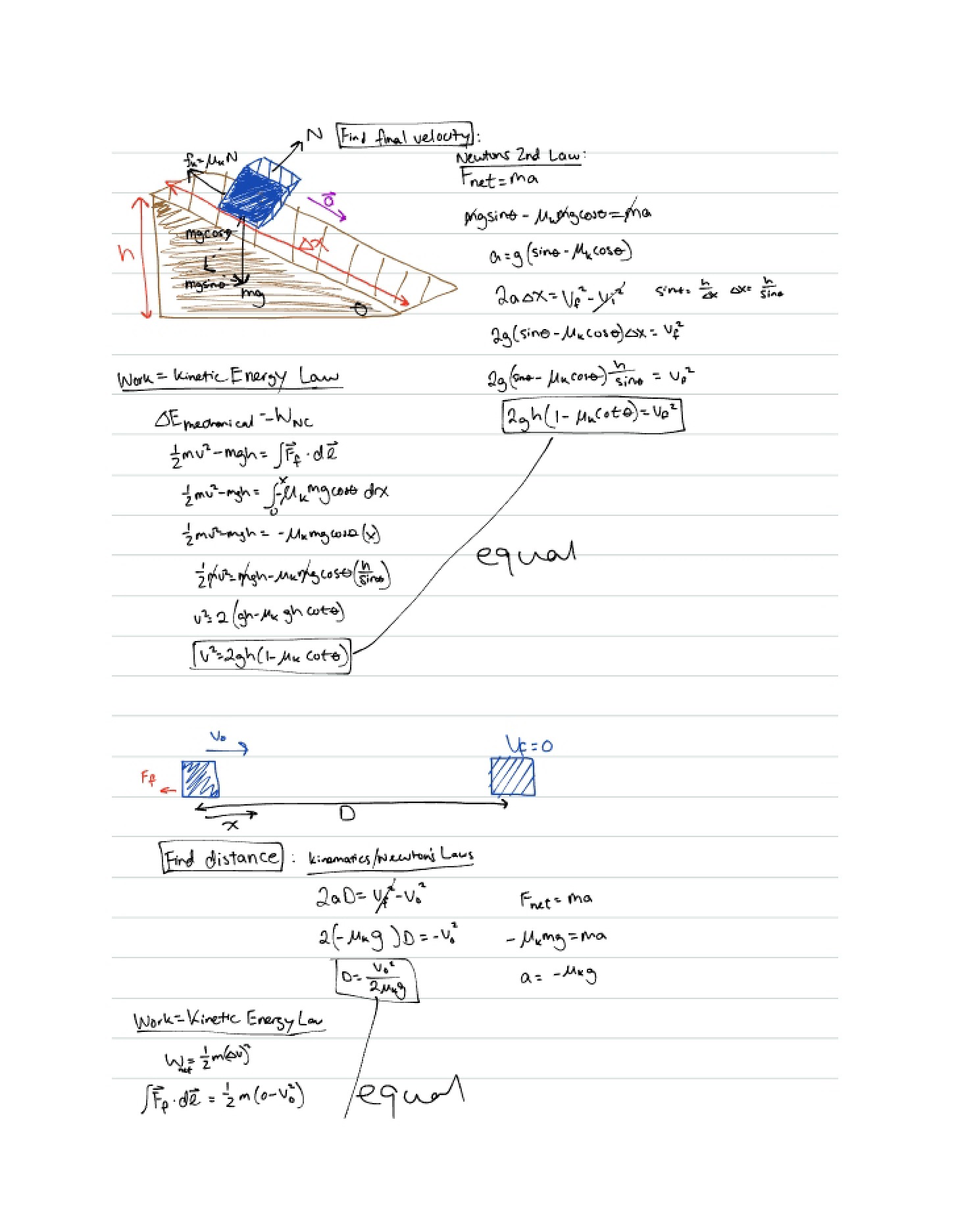
These are lecture notes from PHYS 211, University Physics – Mechanics, offered at the University of Illinois at Urbana-Champaign. The notes cover fundamental principles within statics and introductory dynamics, focusing on the conditions required for mechanical equilibrium. Expect a detailed exploration of forces, moments, and their application to real-world scenarios. The material appears to build from foundational concepts toward more complex analyses of systems under various force conditions.
Why This Document Matters
This resource is invaluable for students currently enrolled in a university-level introductory physics course, particularly those focusing on mechanics. It’s best used *during* lectures to aid note-taking and comprehension, and immediately *after* lectures for review and clarification. Students preparing for quizzes or exams on statics and dynamics will find these notes a helpful starting point for focused study. Those who benefit most will be comfortable with basic trigonometry and vector concepts.
Common Limitations or Challenges
These notes represent a record of lecture material and are not a substitute for textbook readings or assigned problem sets. They do not include fully worked-out example problems, step-by-step derivations of equations, or detailed explanations of every concept. The notes are a condensed representation of the lecture and may require referencing the textbook or seeking clarification from the instructor to fully grasp all nuances. Access to these notes alone will not guarantee success in the course.
What This Document Provides
* A focused record of key concepts discussed in lectures related to static equilibrium.
* Diagrammatic representations illustrating force and moment applications.
* Notations and symbolic representations used throughout the course.
* A framework for understanding the relationships between different forces acting on a system.
* Initial explorations of conditions for translational and rotational equilibrium.
* A starting point for identifying relevant equations and principles.