What This Document Is
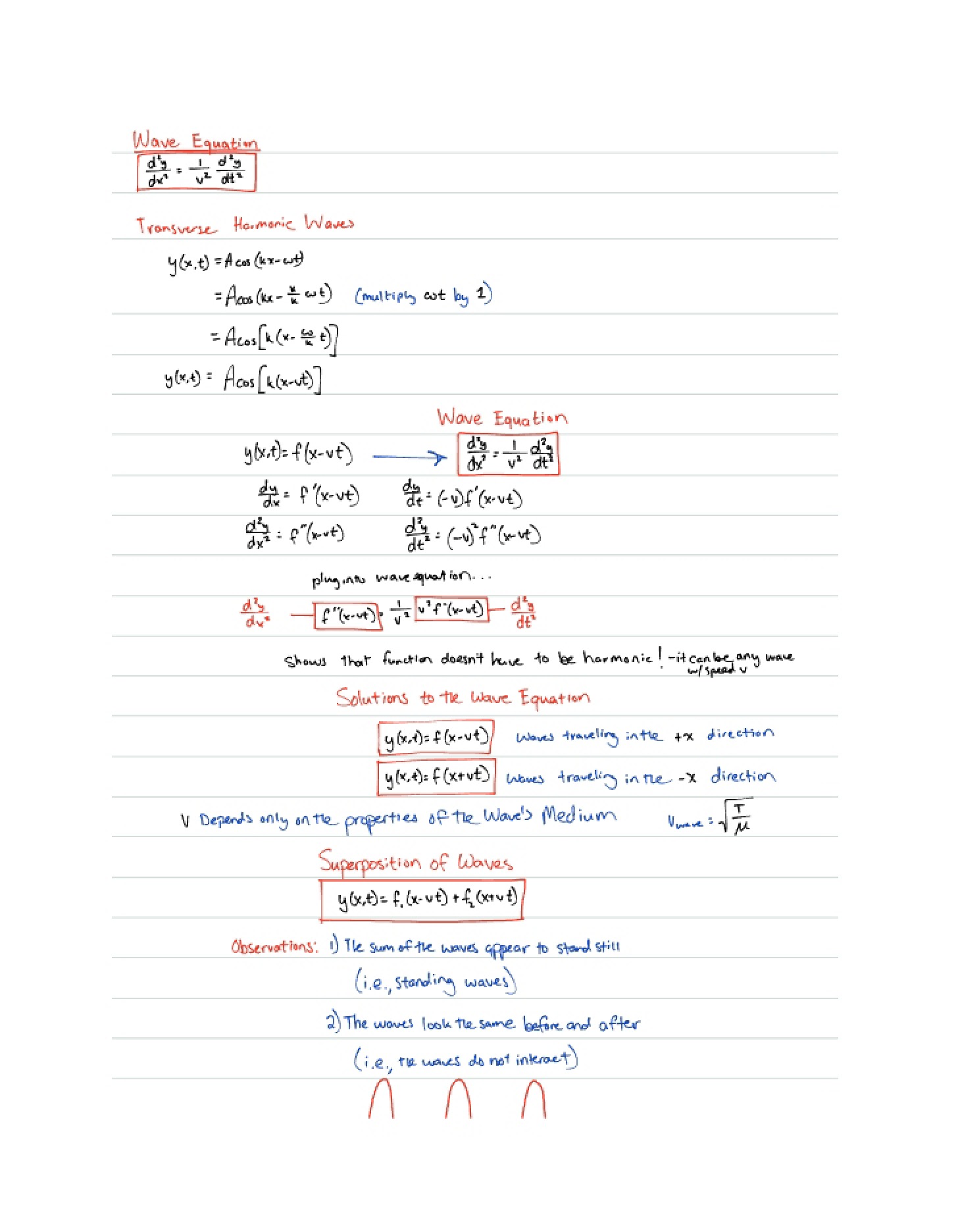
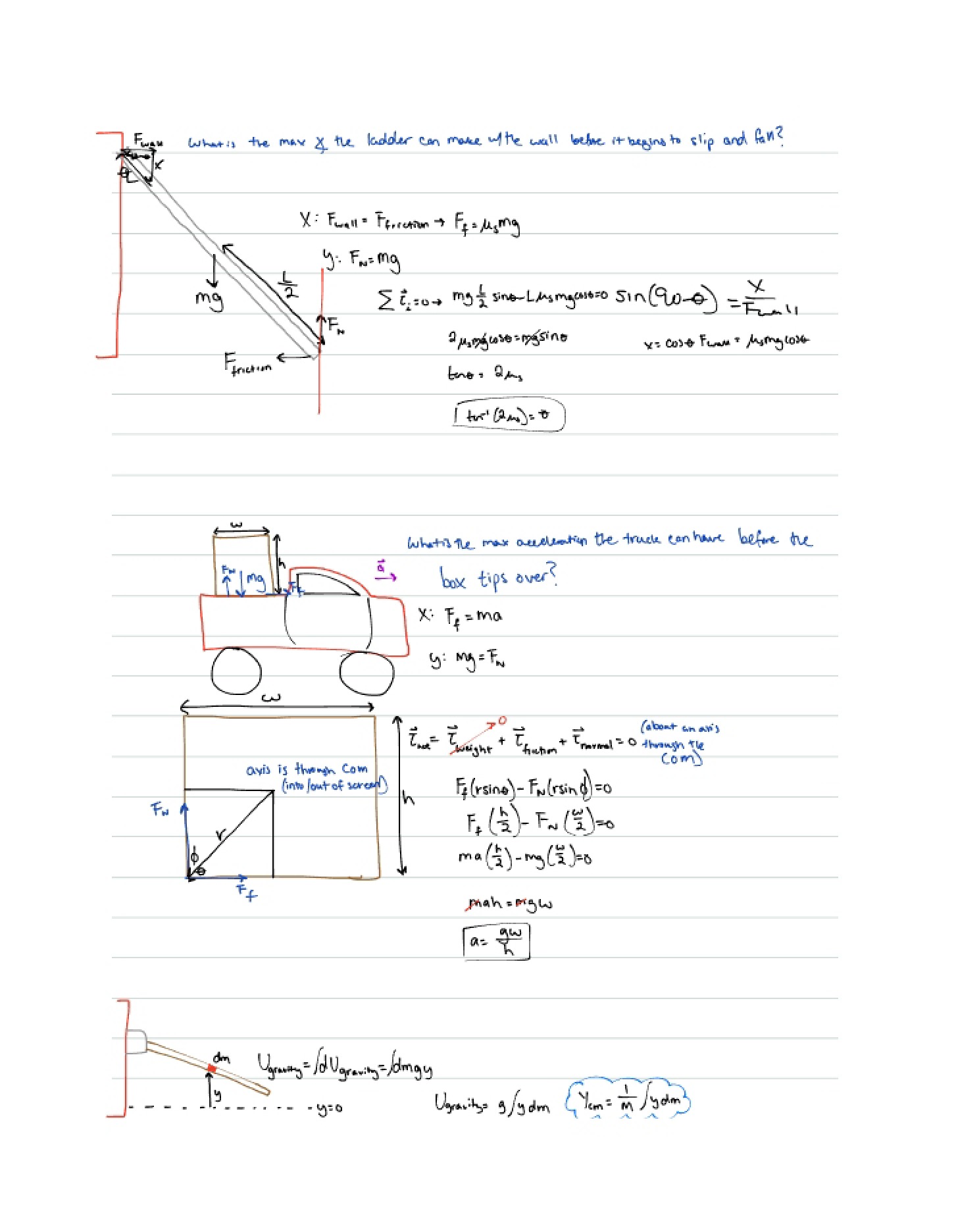
This is a comprehensive review guide designed to support students enrolled in University of Illinois at Urbana-Champaign’s PHYS 211: University Physics – Mechanics. It serves as a consolidated resource covering core principles and concepts within the field of classical mechanics. The guide aims to help students synthesize the material presented throughout the course, preparing them for assessments and a deeper understanding of the subject. It focuses on foundational physics principles, mathematical relationships, and problem-solving strategies.
Why This Document Matters
This review guide is an invaluable tool for any student seeking to solidify their grasp of mechanics. It’s particularly useful during exam preparation, as a refresher before tackling complex problem sets, or as a means of identifying areas where further study is needed. Students who benefit most from this resource are those actively engaged in learning the fundamentals of motion, forces, energy, and related concepts. It’s best utilized *after* attending lectures and completing assigned readings, serving as a bridge between theoretical knowledge and practical application.
Common Limitations or Challenges
This guide is not a substitute for attending lectures, completing homework assignments, or actively participating in the course. It does not provide step-by-step solutions to problems, nor does it offer entirely new content beyond what is covered in the course syllabus. It assumes a foundational understanding of calculus and basic physics principles. While it aims to be comprehensive, it cannot cover every nuance or specialized topic within mechanics. It is designed to *complement* your existing coursework, not replace it.
What This Document Provides
* A structured overview of key concepts in Newtonian mechanics.
* Summaries of important laws and theorems related to motion and forces.
* Discussions of energy principles, including kinetic and potential energy.
* Explanations of work and its relationship to energy changes.
* Key relationships and formulas related to equilibrium and stability.
* A framework for understanding the connection between forces and energy.
* Concepts related to minimizing potential energy and its implications for object behavior.