What This Document Is
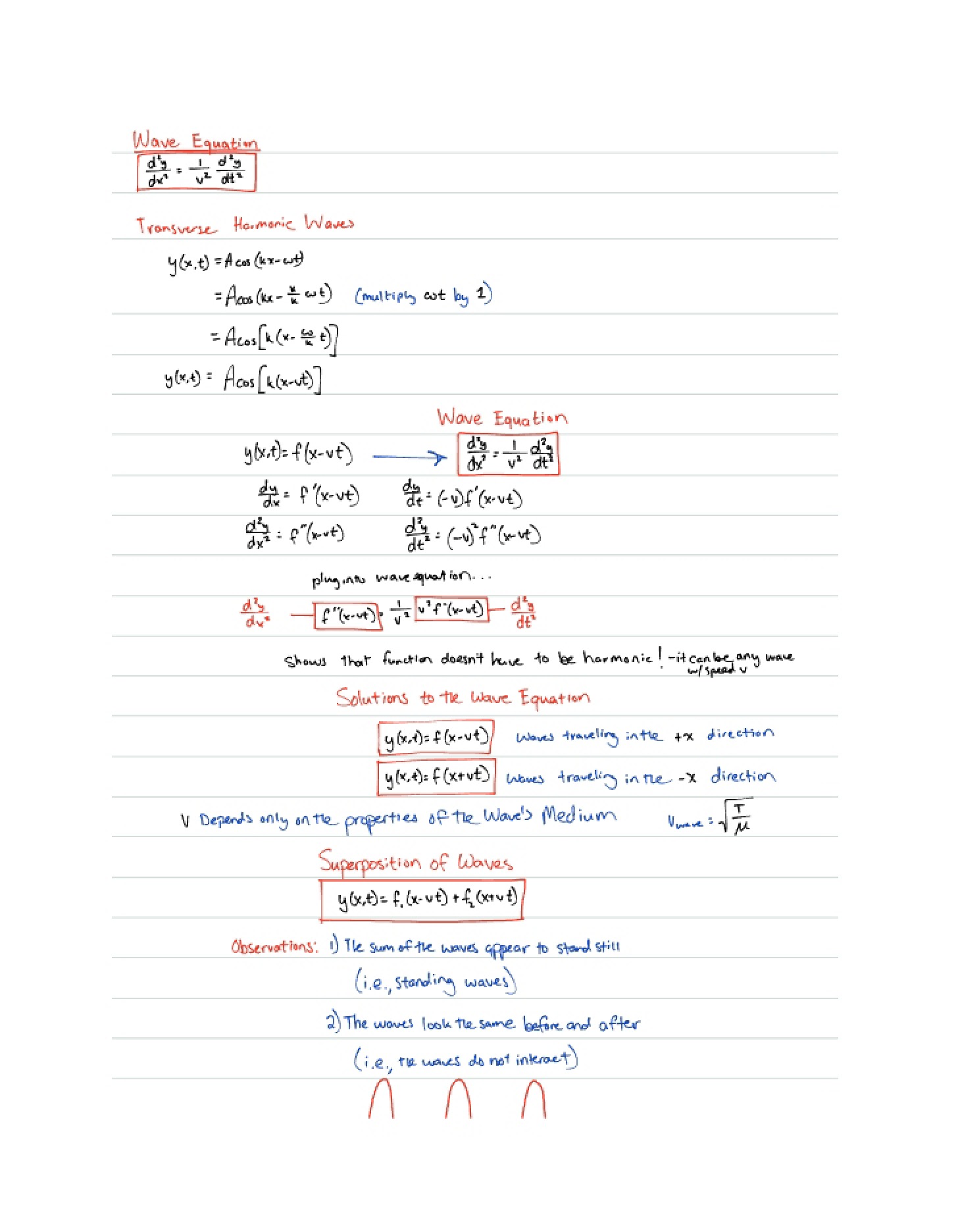
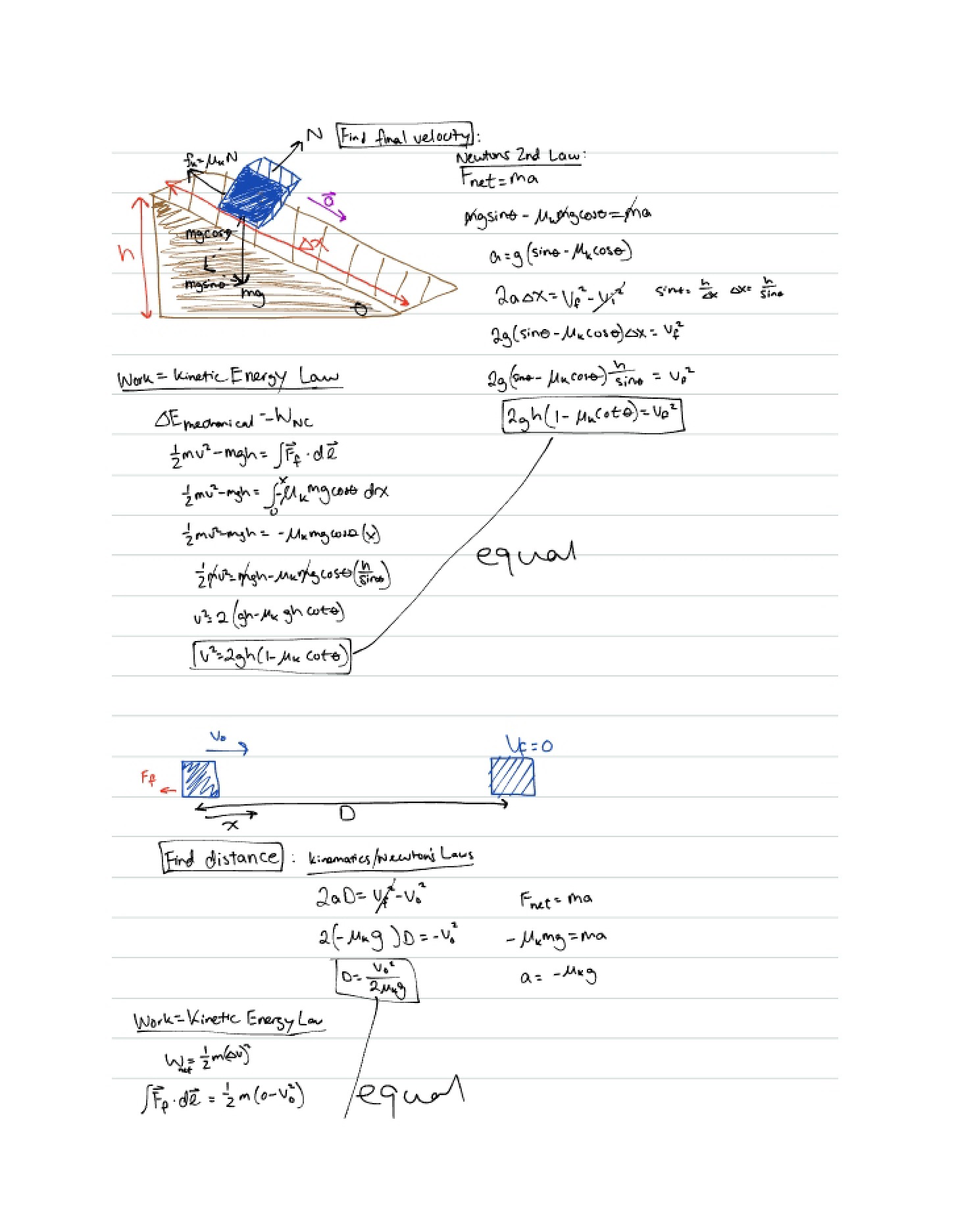
These are class session notes from PHYS 211: University Physics - Mechanics at the University of Illinois at Urbana-Champaign. The notes focus on the principles of rotational motion and oscillatory systems, building upon foundational mechanics concepts. Specifically, a significant portion is dedicated to exploring a particular type of harmonic oscillator – the torsion pendulum – and its relationship to other rotational systems. The material delves into the theoretical underpinnings of these systems, utilizing mathematical relationships to describe their behavior.
Why This Document Matters
This resource is invaluable for students currently enrolled in a university-level introductory mechanics course. It’s particularly helpful for those who benefit from seeing concepts explained in a lecture-style format, alongside associated mathematical derivations. These notes can be used to reinforce understanding *after* a lecture, to prepare for problem sets, or to review key ideas before an exam. Students who struggle with visualizing rotational dynamics or applying Newton’s laws in rotational contexts will find this material especially useful. It’s designed to complement textbook readings and provide a focused record of course discussions.
Common Limitations or Challenges
These notes represent a specific instructor’s presentation of the material and do not substitute for a comprehensive textbook or independent study. The notes are not a self-contained learning module; they assume prior knowledge of basic calculus, trigonometry, and introductory physics principles. While derivations are presented, the notes do not offer fully worked-out example problems or detailed step-by-step solutions. Access to the full document is required to see the complete mathematical treatments and detailed explanations.
What This Document Provides
* A focused exploration of the torsion pendulum as a model for rotational oscillation.
* Connections between rotational and translational dynamics, highlighting analogous concepts.
* Mathematical relationships governing the period of oscillation for physical pendulums.
* Discussion of the applicability of approximations used in simplifying oscillatory systems.
* An introduction to the use of initial conditions in determining the complete solution for oscillatory motion.
* Consideration of how system parameters influence oscillatory behavior.