What This Document Is
This document is a detailed class summary from ECE 504: ST-Signal & Power Integrity at the University of Idaho. It focuses on foundational concepts related to signal and power integrity, specifically delving into the behavior of inductors and transformers within electrical systems. It appears to be a compilation of lecture material, designed to reinforce key ideas and provide a structured overview of the subject matter. The summary bridges theoretical principles with practical application through the mention of simulation tools.
Why This Document Matters
This class summary is an invaluable resource for students currently enrolled in ECE 504, or those reviewing core concepts in signal and power integrity. It’s particularly helpful for clarifying complex relationships between circuit elements and understanding system-level behavior. It would be most beneficial when studying for assessments, preparing for advanced topics, or needing a concise reference point for lecture material. Individuals seeking a deeper understanding of inductor and transformer characteristics will find this a useful study aid.
Topics Covered
* Fundamental principles governing flux linkages and voltage relationships.
* The impact of inductance – both self and mutual – on circuit performance.
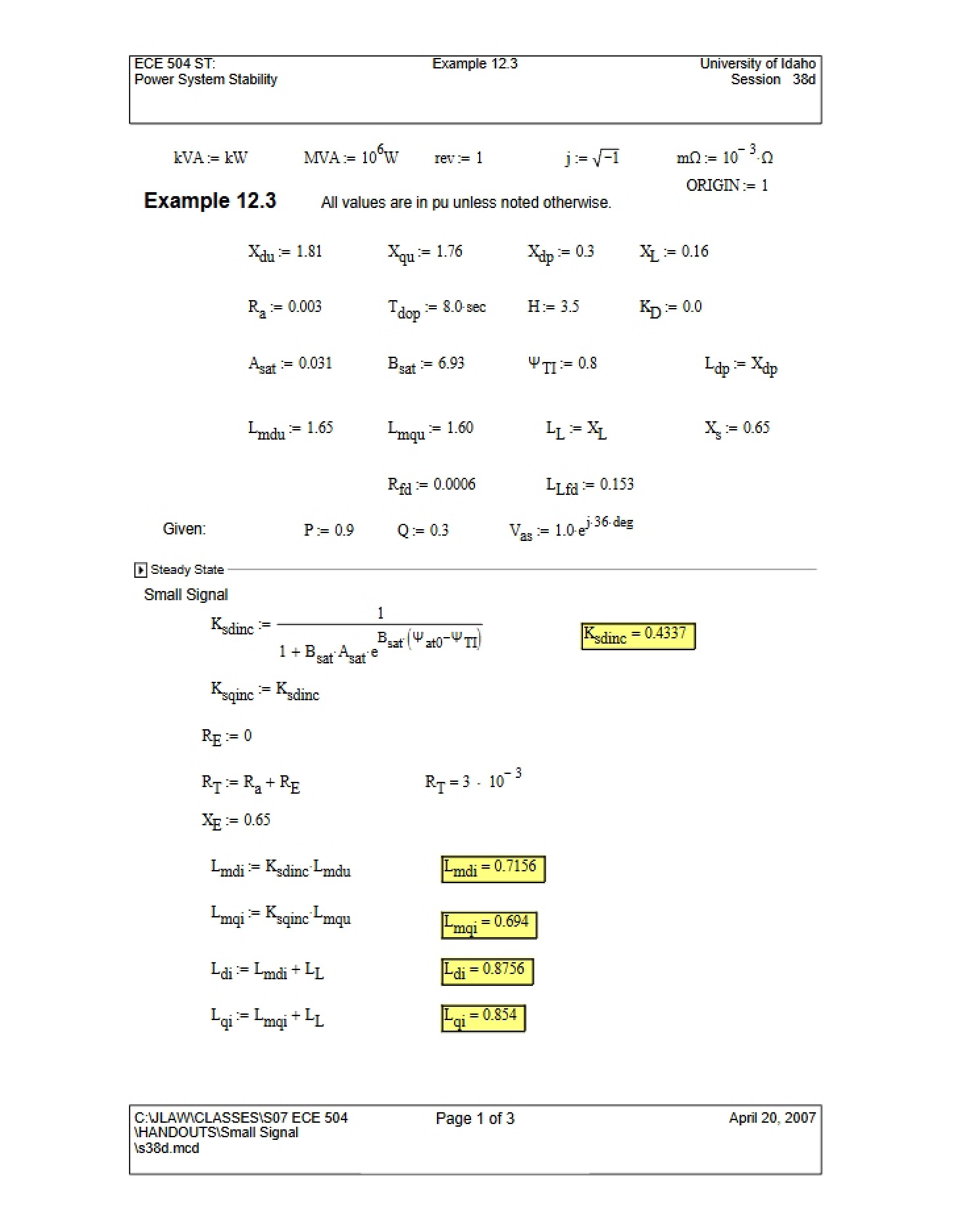
* Detailed examination of saturation effects within inductive components.
* Application of Ampére’s Law and Faraday’s Law to analyze circuit behavior.
* Time constant analysis in relation to loop gain within first-order systems.
* Development of block diagrams and Simulink representations of inductive circuits.
* Exploration of permeability and its influence on magnetic field intensity.
What This Document Provides
* A structured overview of lecture material, facilitating comprehension and retention.
* Key equations and relationships related to inductor and transformer analysis.
* Conceptual frameworks for understanding the interplay between voltage, current, and flux.
* References to system-level block diagrams for visualizing circuit interactions.
* A foundation for applying theoretical knowledge to practical circuit simulations.