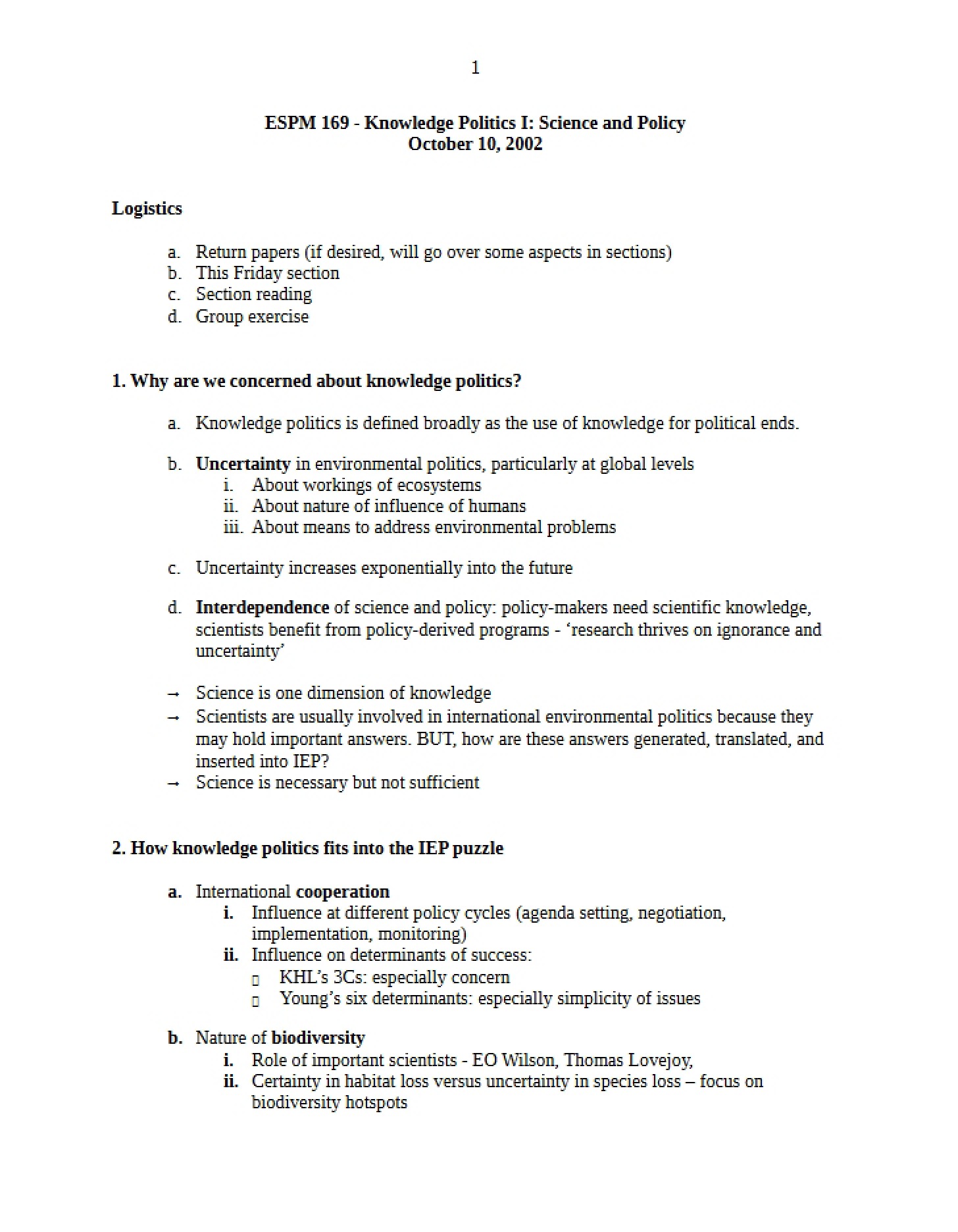
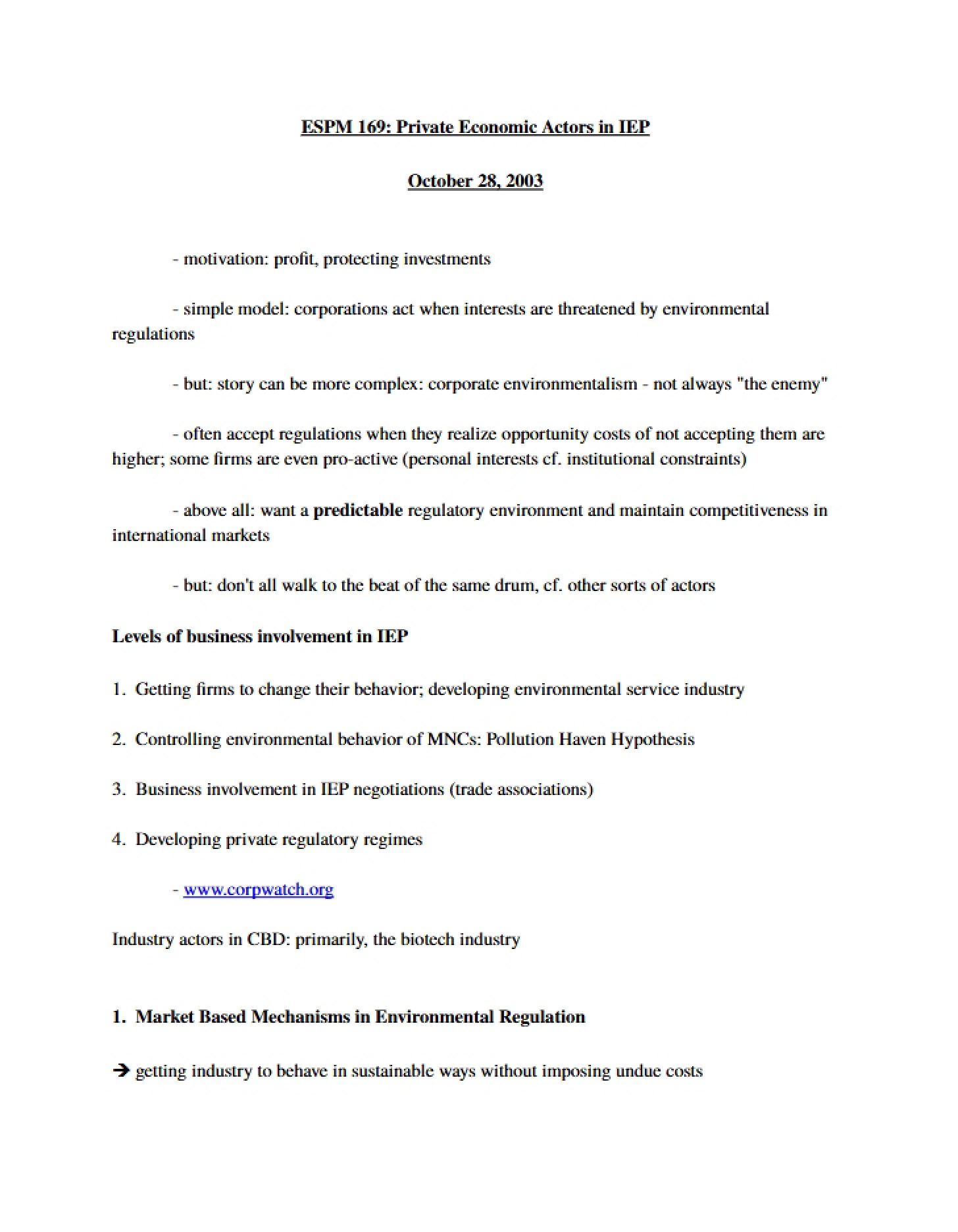
What This Document Is
This study guide delves into the complex world of international environmental politics, specifically focusing on the crucial stages of compliance, implementation, and effectiveness of international environmental agreements. It’s designed for students engaged in advanced coursework examining global environmental governance and policy. The material builds upon foundational concepts to explore the practical challenges of turning international commitments into real-world environmental improvements.
Why This Document Matters
Students enrolled in courses like ESPM 169 at UC Berkeley – or similar programs analyzing international environmental issues – will find this guide particularly valuable. It’s best utilized when you’re grappling with understanding why international environmental agreements sometimes succeed and often fall short of their goals. This resource will help you prepare for in-depth discussions and analyses of real-world case studies, and will be useful when formulating your own perspectives on the effectiveness of global environmental policy.
Topics Covered
* Factors influencing a nation’s adherence to international environmental agreements.
* Methods for assessing the success – or failure – of environmental regimes.
* The distinction between compliance, implementation, and overall effectiveness.
* The role of international regimes in regulating private sector behavior.
* Challenges related to data collection and measuring environmental change.
* The impact of both internal and external factors on policy outcomes.
* The interplay between institutional design and environmental effectiveness.
* Barriers to achieving successful international environmental cooperation.
What This Document Provides
* A framework for analyzing the various levels at which environmental agreements operate (international, national, and local).
* Consideration of both intentional design choices and unforeseen consequences of environmental policies.
* Exploration of the relationship between decision-making processes and structural variables in determining effectiveness.
* An overview of key concepts like collective action problems, monitoring, enforcement, and state capacity.
* Discussion of the complexities of balancing centralized control with decentralized implementation in environmental governance.