What This Document Is
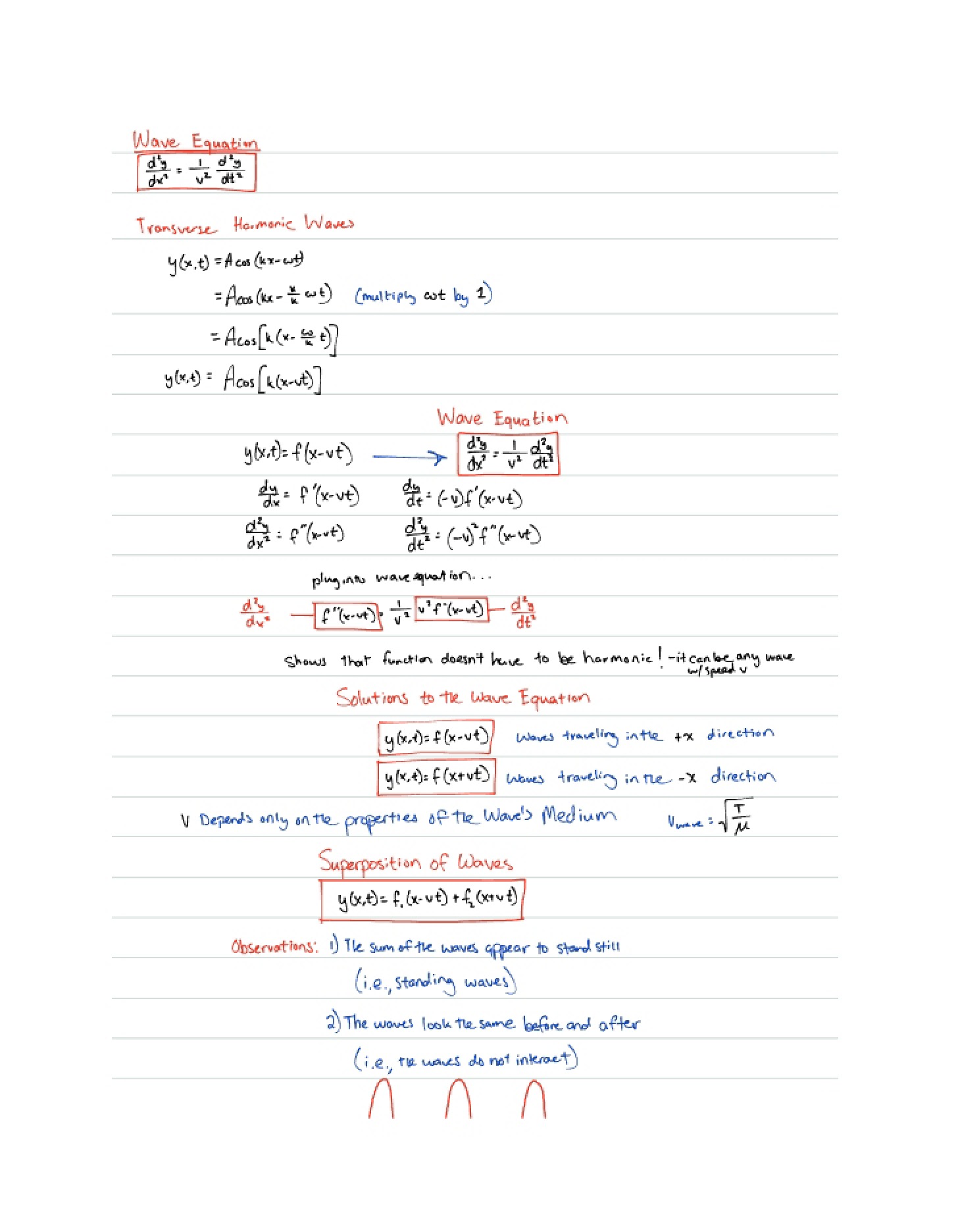
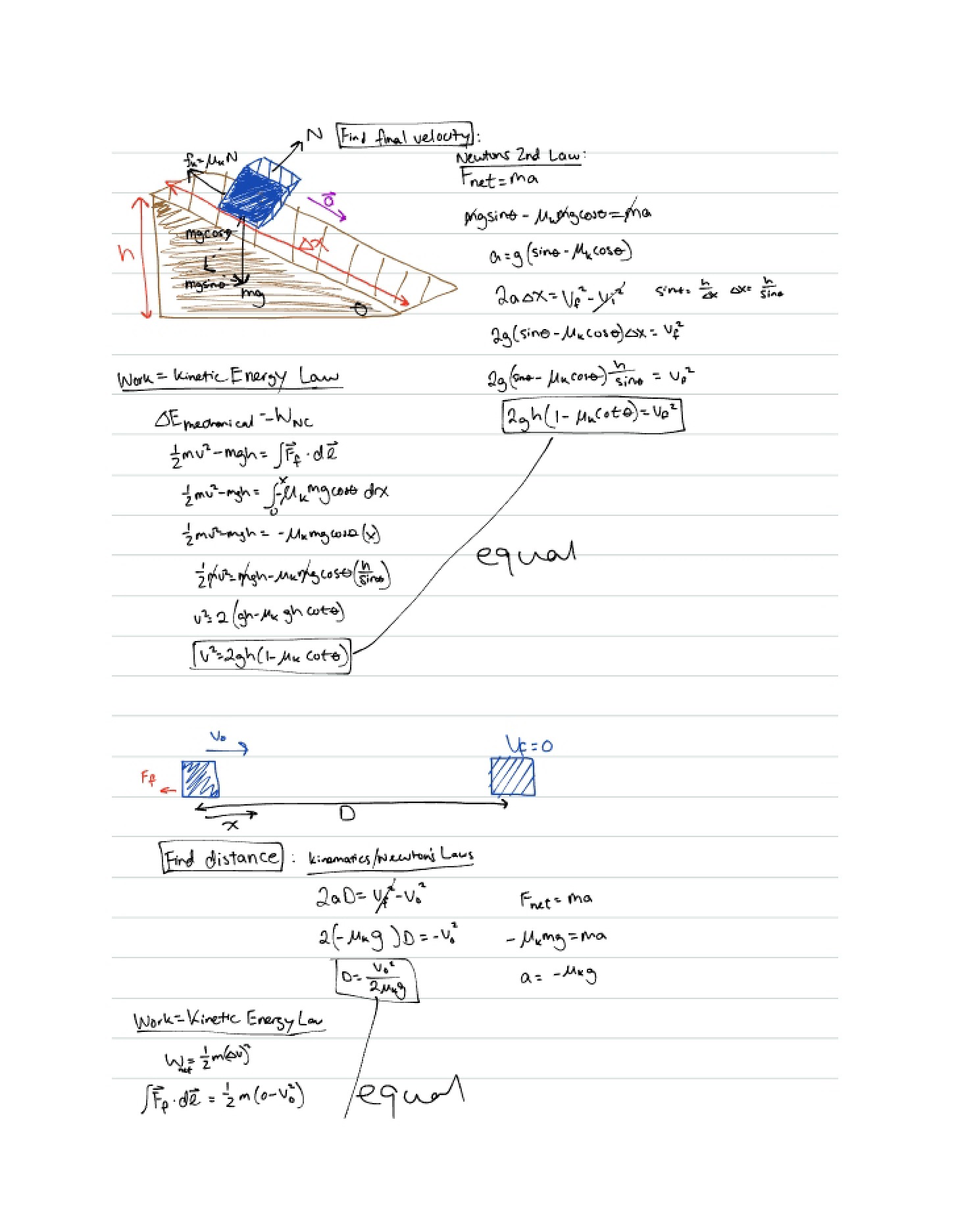
These are comprehensive lecture notes from PHYS 211: University Physics - Mechanics, offered at the University of Illinois at Urbana-Champaign. The notes cover fundamental principles and advanced concepts related to the mechanics of particles and systems, focusing on rotational motion and dynamics. Expect a detailed exploration of topics building upon introductory physics, delving into more mathematically rigorous treatments. The material is presented in a format typical of university-level physics lectures, likely including derivations and conceptual explanations.
Why This Document Matters
This resource is invaluable for students currently enrolled in a similar university physics course, particularly those focusing on mechanics. It’s ideal for reinforcing concepts presented in lectures, preparing for quizzes and exams, and building a strong foundation for more advanced physics topics. Students who benefit most will be those seeking a detailed, written companion to their coursework, offering a structured approach to understanding complex mechanical systems. It’s particularly useful for reviewing material *after* a lecture, not necessarily as a standalone learning tool.
Common Limitations or Challenges
These notes are designed to *supplement* – not replace – active participation in lectures and assigned problem sets. They do not include worked examples or step-by-step solutions to practice problems. The notes assume a pre-existing understanding of basic calculus and introductory physics principles. Furthermore, the notes represent a specific instructor’s approach to the material and may not perfectly align with every textbook or teaching style. Access to the full document is required to fully grasp the detailed explanations and mathematical formulations.
What This Document Provides
* Detailed coverage of kinetic energy concepts for systems of particles.
* Explanations of key theorems related to rotational inertia.
* Discussions on the application of torque and its relationship to angular acceleration.
* Exploration of rotational forms of Newton’s Laws of Motion.
* Concepts related to moment of inertia and its calculation using various methods.
* A framework for understanding the dynamics of rigid bodies.
* Mathematical relationships and formulas essential for solving mechanics problems.