What This Document Is
This document is a set of lecture notes from STAT 5303, a course on Designing Experiments at the University of Minnesota Twin Cities. It focuses on the statistical modeling of random variables, specifically exploring the concepts and implementation of random effects models. The material delves into different approaches for incorporating randomness into experimental designs and analyzing the resulting data. It appears to utilize the R statistical software environment, referencing specific packages like `Stat5303` and `lme4`.
Why This Document Matters
Students enrolled in advanced statistics courses, particularly those focused on experimental design and analysis, will find this resource valuable. It’s especially helpful for those seeking a deeper understanding of how to account for variability introduced by random factors in their studies. Researchers and practitioners who need to model data where certain sources of variation are considered random (rather than fixed) will also benefit. This material is most useful when you are learning to apply statistical models to real-world data and need to choose the appropriate methodology for handling random effects.
Common Limitations or Challenges
This document does *not* provide a comprehensive introduction to all statistical modeling techniques. It assumes a foundational understanding of ANOVA and linear models. It also focuses on a specific implementation within the R environment, so direct application to other statistical software may require adaptation. The material presents different “schools of thought” regarding random effects modeling, but doesn’t necessarily advocate for one approach over another – it’s designed to help you understand the nuances of each. It will not walk you through complete, step-by-step solutions to statistical problems.
What This Document Provides
* An exploration of contrasting approaches to modeling random effects – described as “old school” and “new school” methodologies.
* Discussion of the practical considerations when choosing between different modeling techniques.
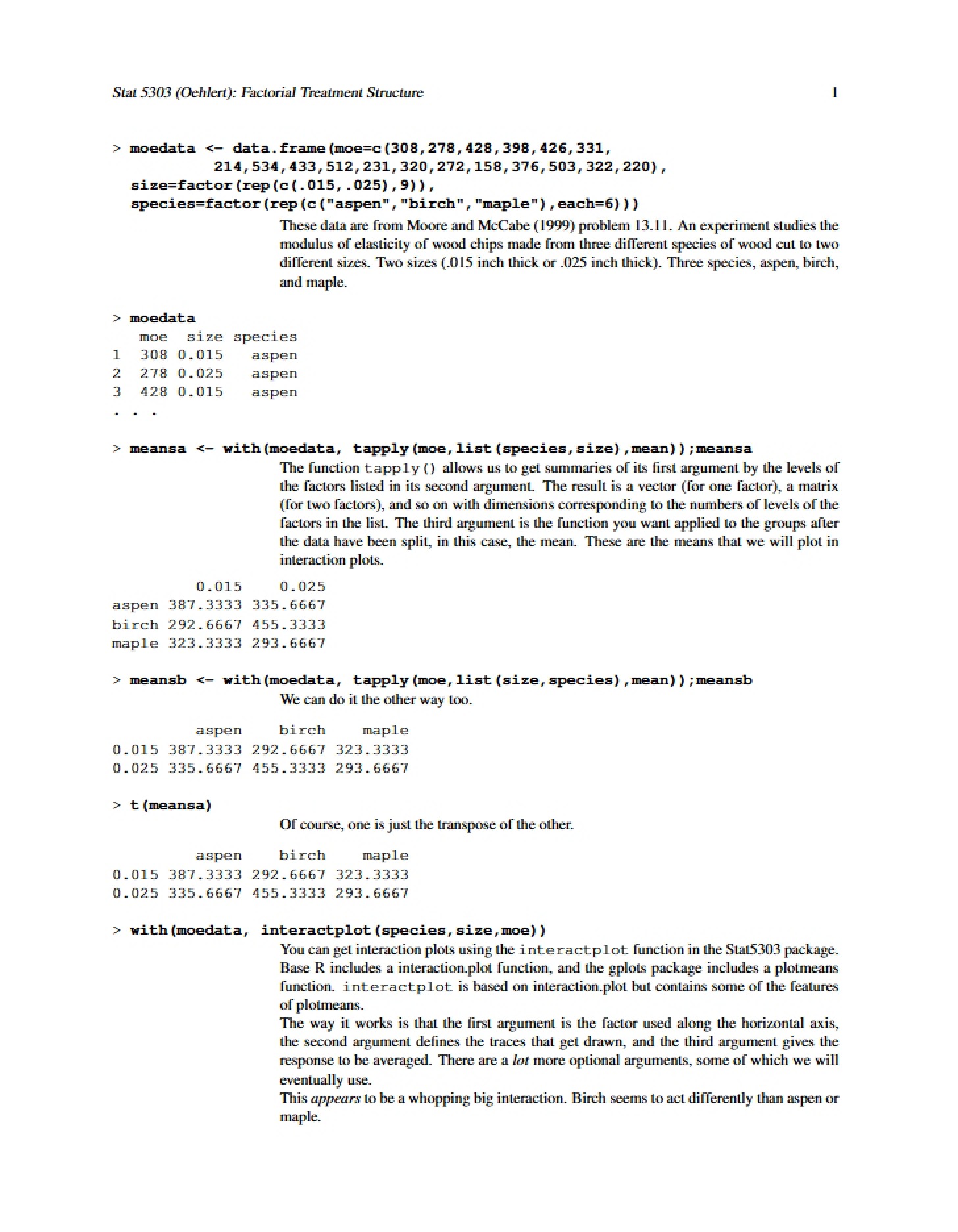
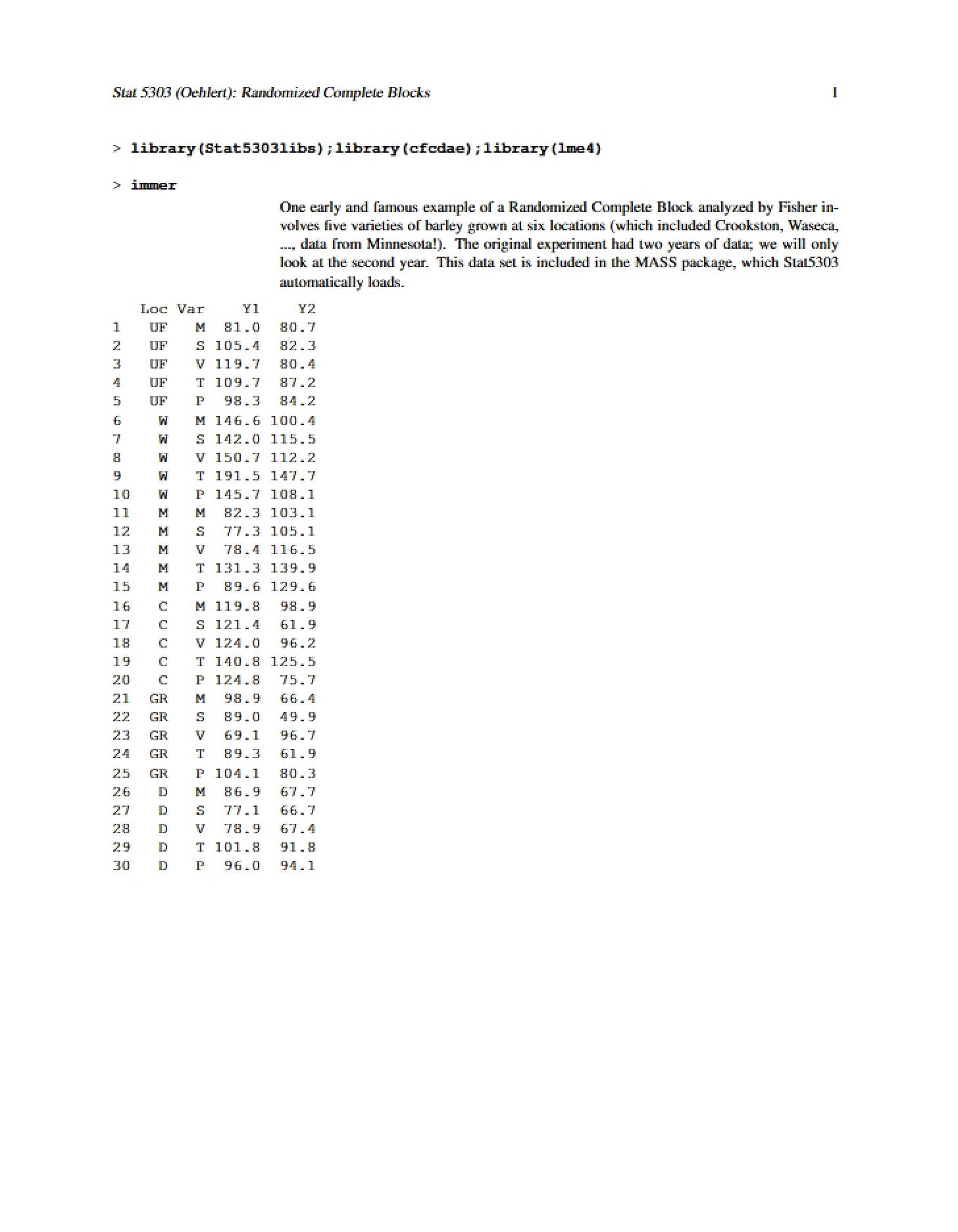
* Illustrative examples using real or simulated datasets.
* Code snippets demonstrating the implementation of random effects models in R.
* Analysis of model diagnostics, such as residual plots, to assess model fit.
* References to specific R packages and functions used for random effects modeling.