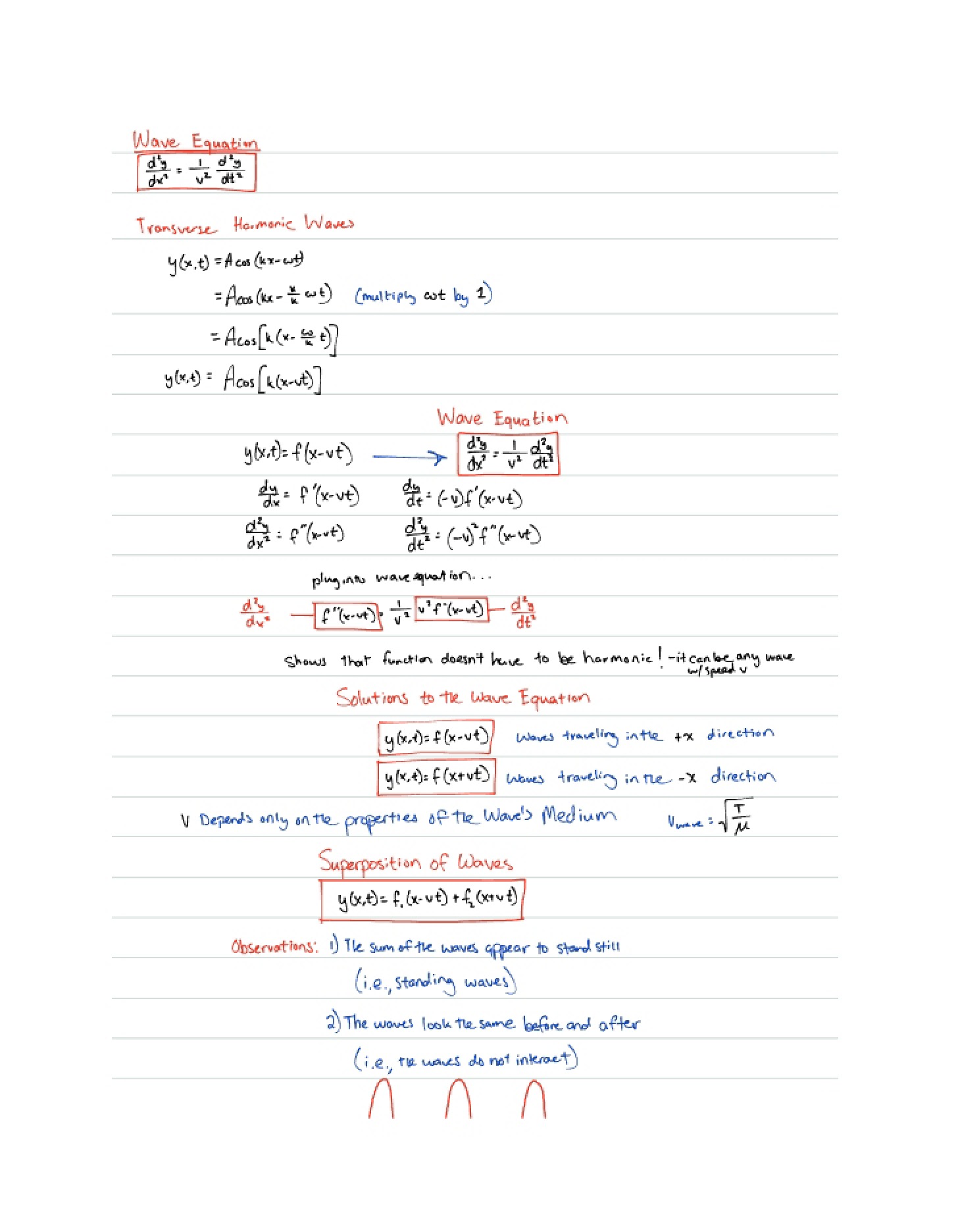
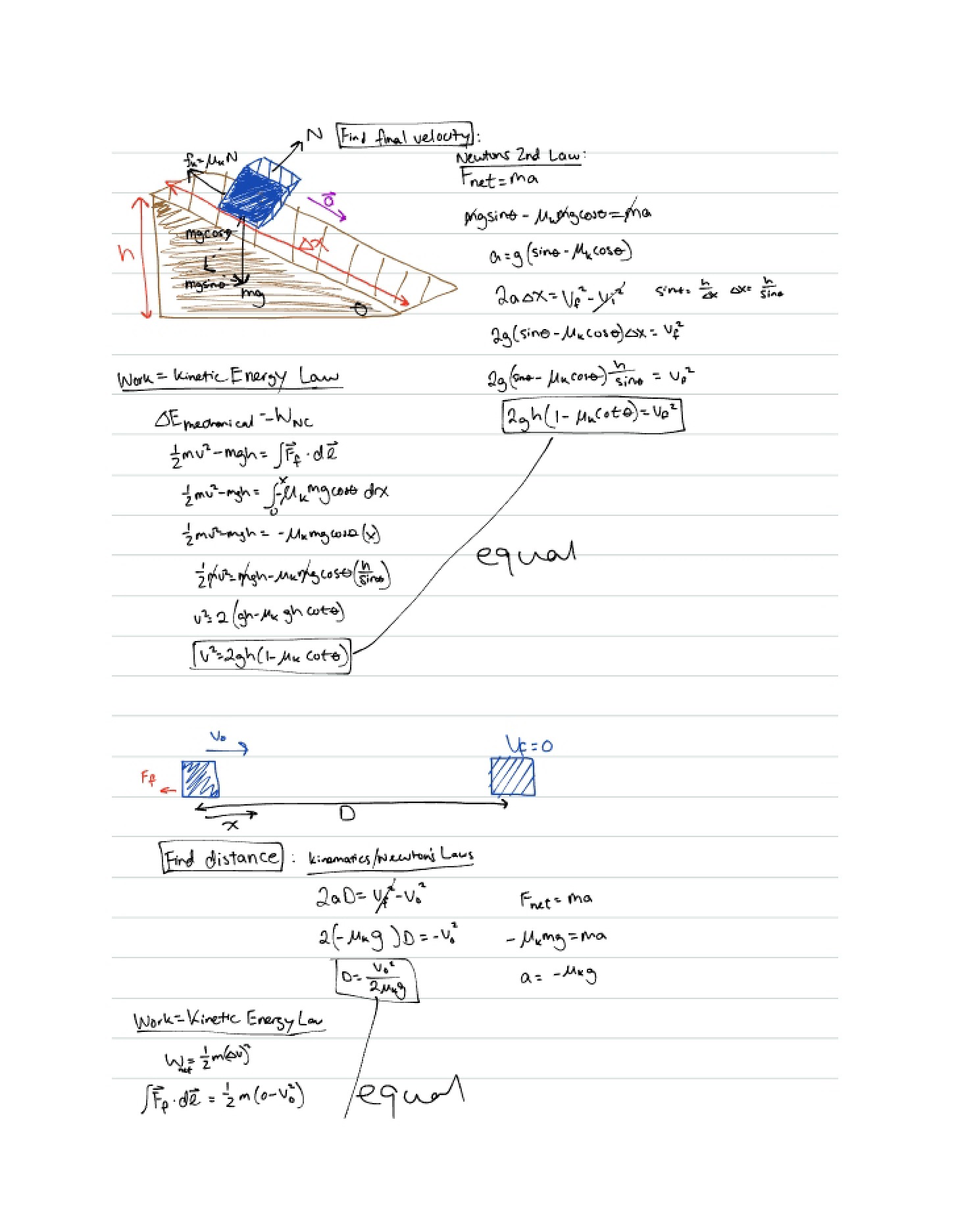
What This Document Is
This is an examination guide designed to help students prepare for assessments in PHYS 211: University Physics - Mechanics, offered at the University of Illinois at Urbana-Champaign. It focuses on core principles and problem-solving techniques related to Newtonian mechanics and rotational motion. The guide is structured to aid in focused review and practice, covering a range of topics central to the course’s curriculum. It’s intended to be a companion resource for students actively studying for exams, not a replacement for lecture notes or the textbook.
Why This Document Matters
Students enrolled in PHYS 211 will find this guide particularly useful when preparing for quizzes, midterms, and the final examination. It’s ideal for those seeking a consolidated overview of key concepts and a framework for identifying areas needing further study. Utilizing this guide can help streamline your exam preparation process, allowing you to efficiently target your efforts and build confidence in your understanding of mechanics. It’s most effective when used *in conjunction* with completed homework, lecture materials, and textbook readings.
Common Limitations or Challenges
This examination guide does *not* contain fully worked-out solutions to example problems. It also doesn’t replace the need to understand the fundamental derivations of equations or the conceptual underpinnings of the physics involved. The guide is a preparation tool, and assumes a base level of understanding gained through coursework. It will not teach you the material from scratch, nor does it include every possible problem type that might appear on an exam. Access to the full guide is required to reveal the detailed content.
What This Document Provides
* A focused review of concepts related to Newton’s Laws of Motion.
* Key relationships and equations pertaining to rotational kinematics and dynamics.
* Guidance on applying principles to systems involving forces, torques, and moments of inertia.
* Considerations for analyzing scenarios involving rolling motion and friction.
* An overview of concepts related to energy and its application in mechanical systems.
* Points of emphasis regarding the center of mass and its role in problem-solving.