What This Document Is
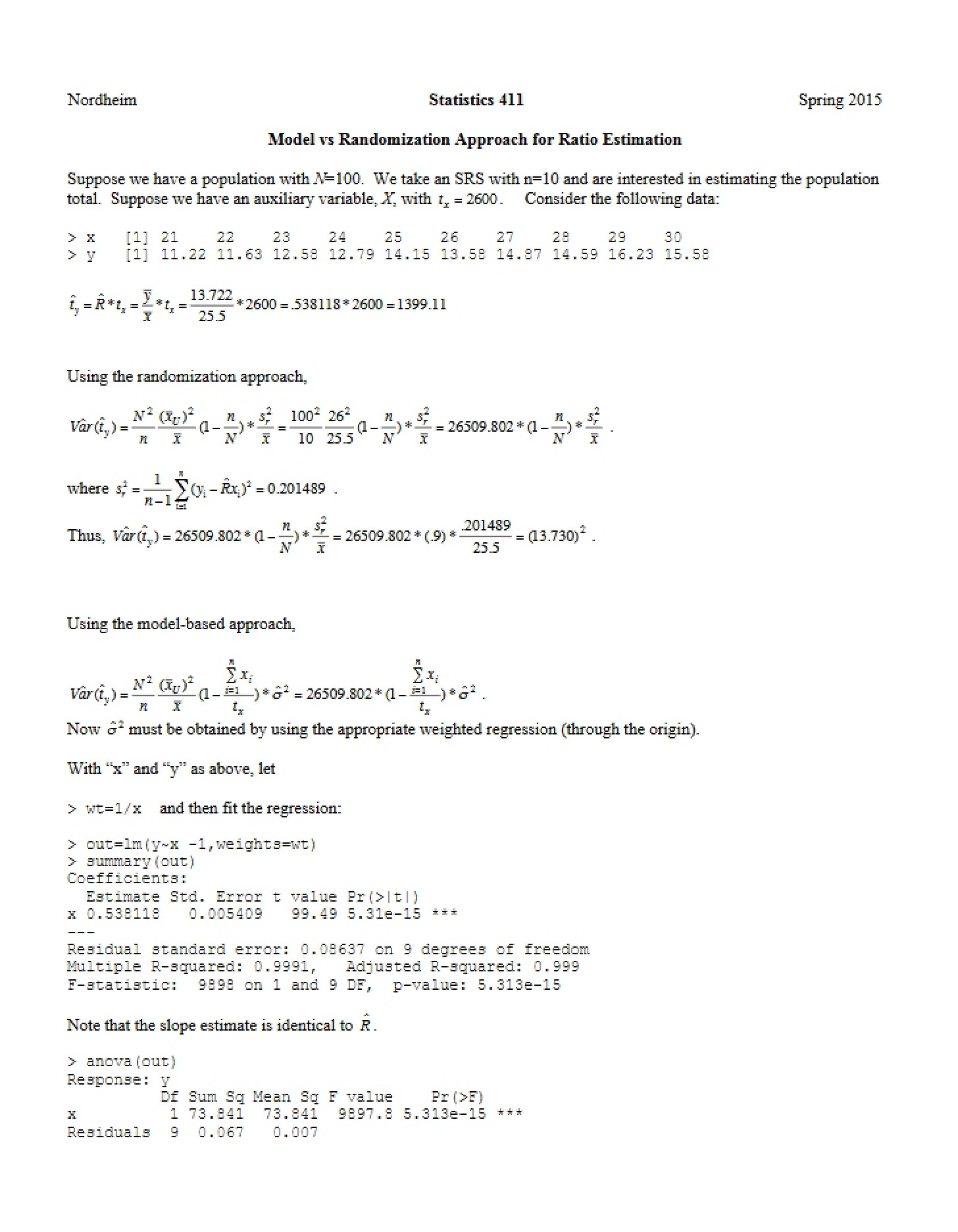
This document presents a detailed, worked example illustrating a specific sampling methodology within the broader field of survey theory – two-stage cluster sampling. It delves into the practical application of this technique, focusing on estimating a population parameter (the mean) using data collected from multiple levels of sampling. The example is rooted in a realistic business scenario, allowing for a tangible understanding of the concepts. It utilizes statistical software output to demonstrate calculations and analysis.
Why This Document Matters
Students enrolled in courses on sampling methods, statistical inference, or research design will find this resource particularly valuable. It’s ideal for those seeking to solidify their understanding of two-stage cluster sampling *beyond* theoretical explanations. Researchers and data analysts preparing to implement complex survey designs can also benefit from observing a complete example, helping them anticipate potential challenges and refine their own approaches. This is especially useful when dealing with large, geographically dispersed populations.
Common Limitations or Challenges
This example focuses on a single, specific application of two-stage cluster sampling. It does not provide a comprehensive overview of *all* possible variations or extensions of the method. Furthermore, it assumes a foundational understanding of basic statistical concepts like means, variances, and sampling distributions. It does not cover the theoretical derivations of the formulas used, nor does it explore alternative estimation techniques. Access to the full content is required to see the detailed calculations and complete analysis.
What This Document Provides
* A real-world scenario motivating the use of two-stage cluster sampling.
* A step-by-step illustration of the sampling process, from initial plant selection to line-level data collection.
* Demonstration of how to calculate key statistics related to the sample data.
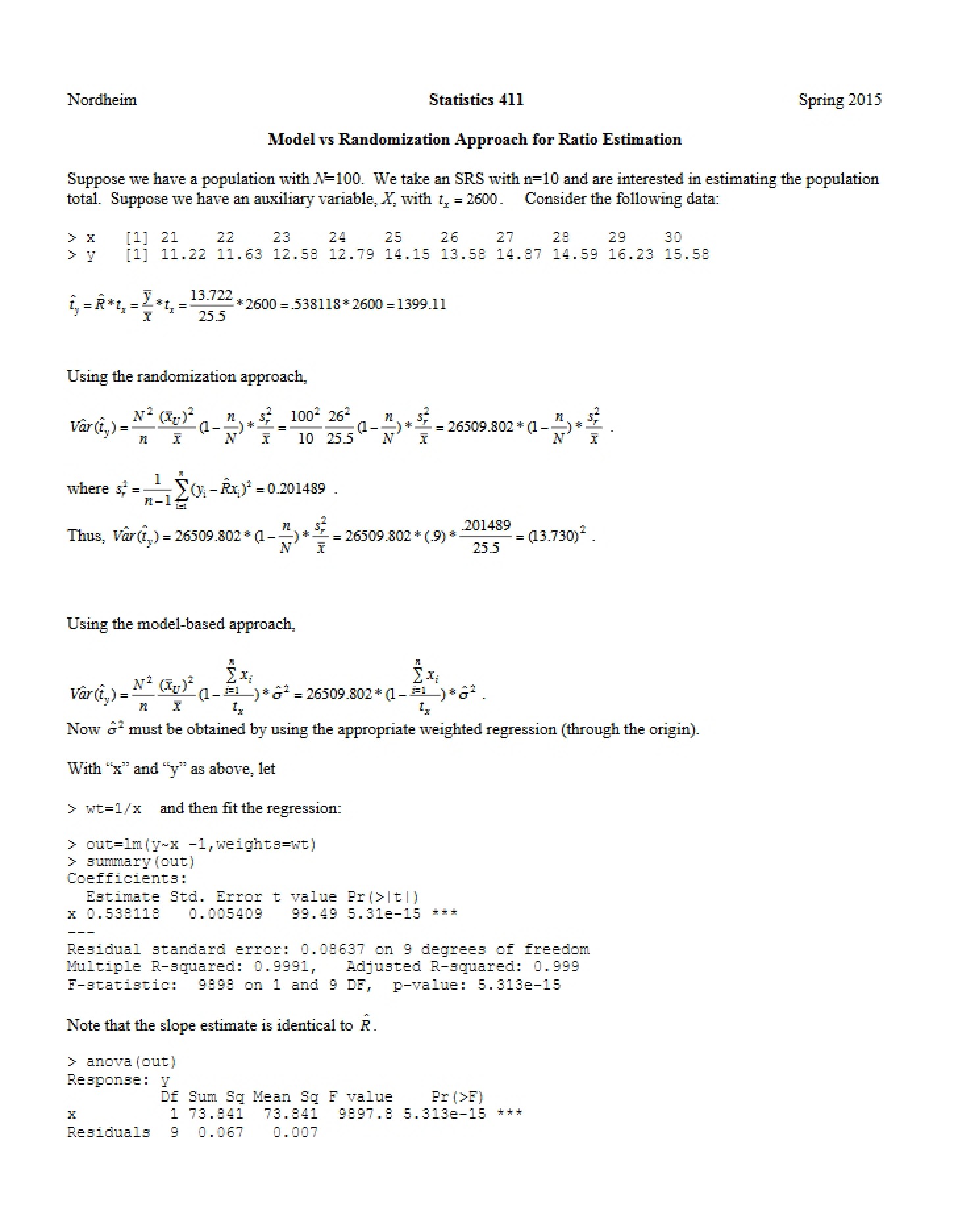
* An exploration of variance estimation within the two-stage cluster sampling framework.
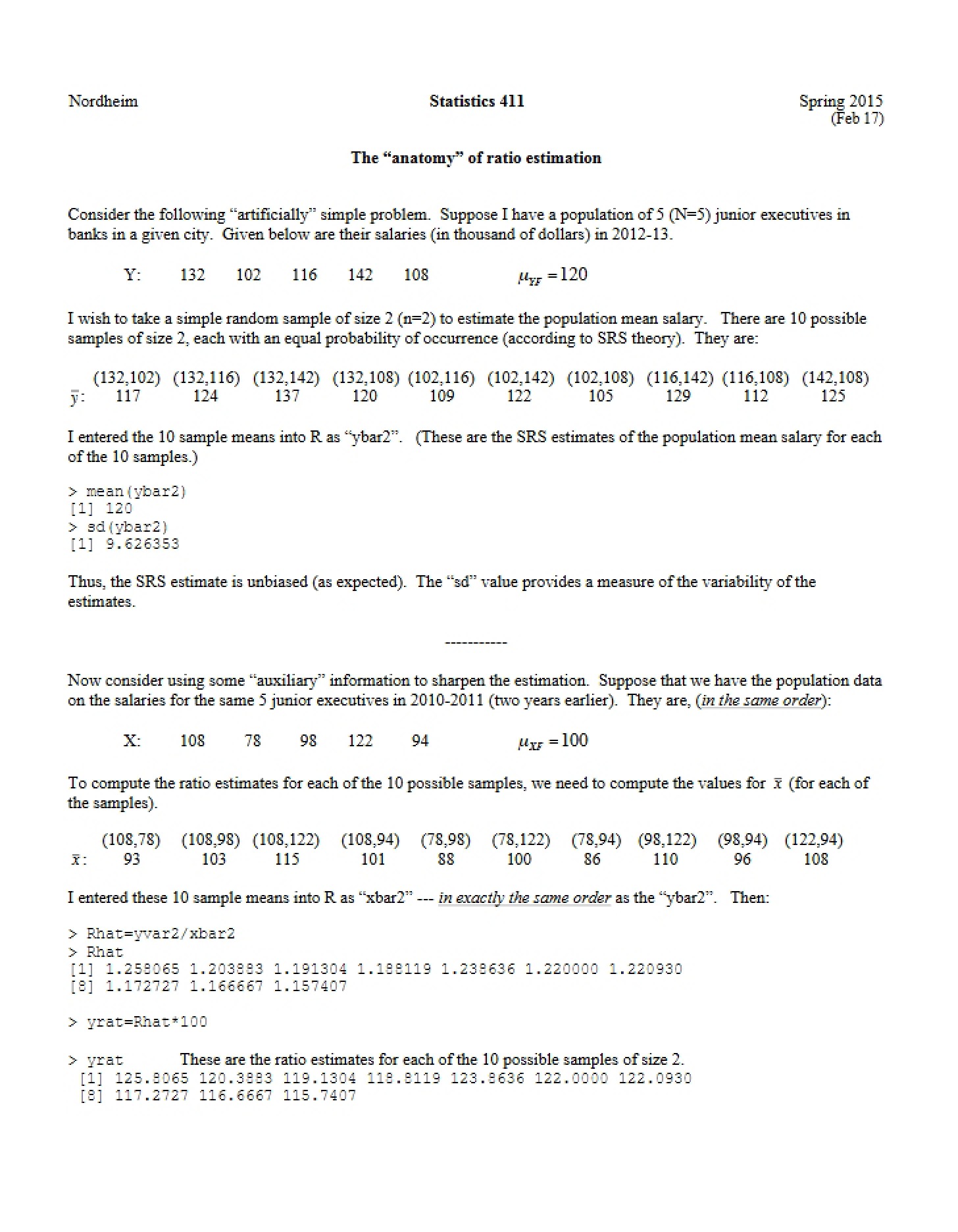
* Discussion of the potential benefits of using ratio estimation to reduce variance.
* Statistical software output used to support the analysis.