What This Document Is
This resource is a practical guide demonstrating the application of statistical survey methods using the “Survey” package within the R programming environment. It focuses on illustrating how to implement various sampling designs – including stratified, ratio estimation, and multi-stage cluster sampling – to analyze real-world datasets. The material builds upon foundational survey theory concepts and translates them into executable code examples.
Why This Document Matters
Students enrolled in survey methodology or statistical computing courses will find this particularly valuable. It’s ideal for those seeking to solidify their understanding of how to *apply* theoretical concepts to practical data analysis. Researchers and practitioners needing a quick reference for implementing common survey designs in R will also benefit. This is best used *after* gaining a foundational understanding of sampling theory and R programming basics, as it focuses on application rather than introductory principles. It’s a helpful companion when working on assignments or projects involving real-world survey data.
Common Limitations or Challenges
This resource does not provide a comprehensive introduction to survey theory itself. It assumes a pre-existing understanding of concepts like strata, sampling weights, and estimators. It also doesn’t cover every possible function within the “Survey” package; instead, it focuses on a selection of commonly used methods. Furthermore, it doesn’t delve into the detailed interpretation of statistical outputs – it shows *how* to generate them, but not necessarily *why* specific values are obtained or how to fully contextualize them.
What This Document Provides
* Illustrative examples of applying the “Survey” package in R.
* Demonstrations of setting up survey designs for stratified random sampling.
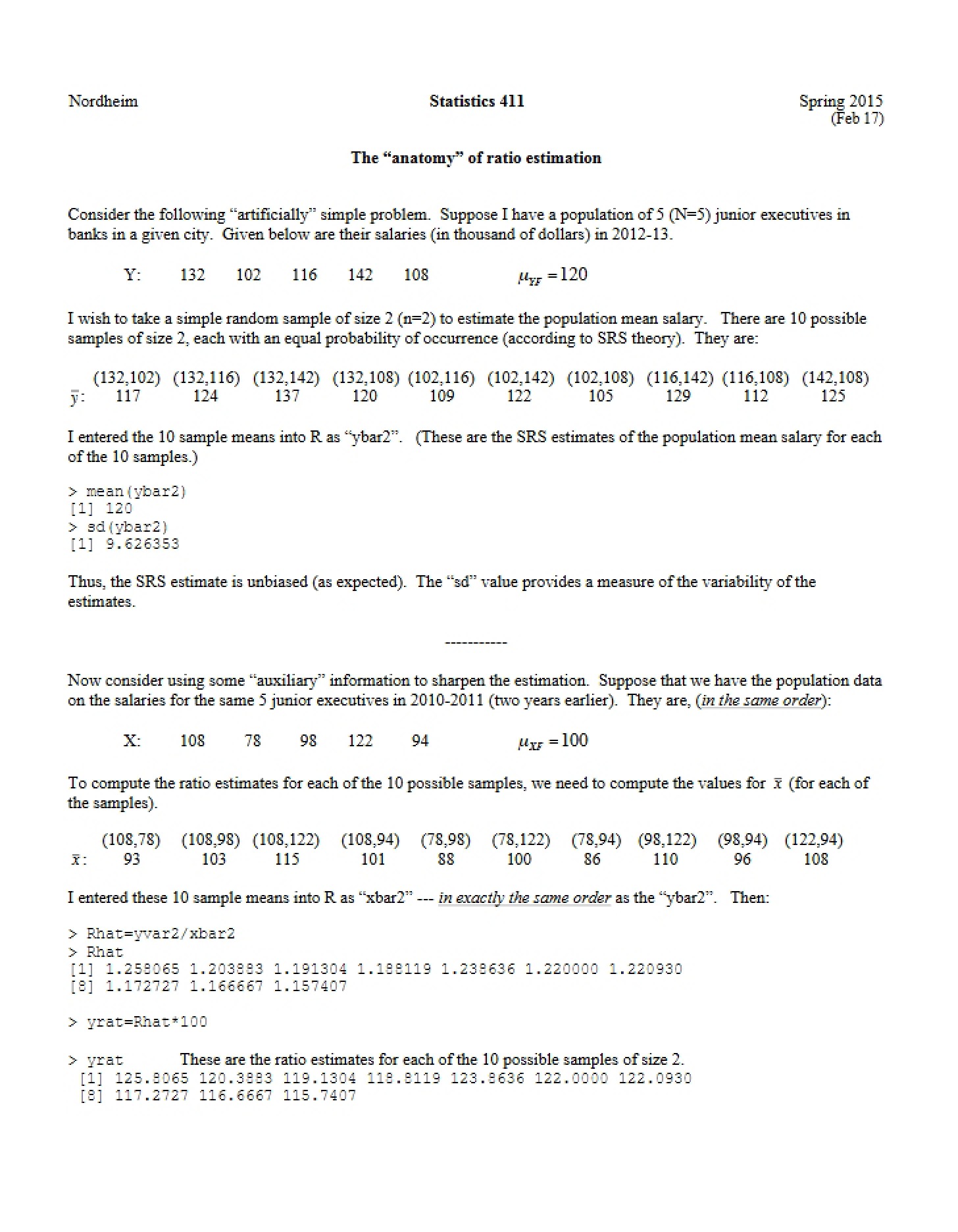
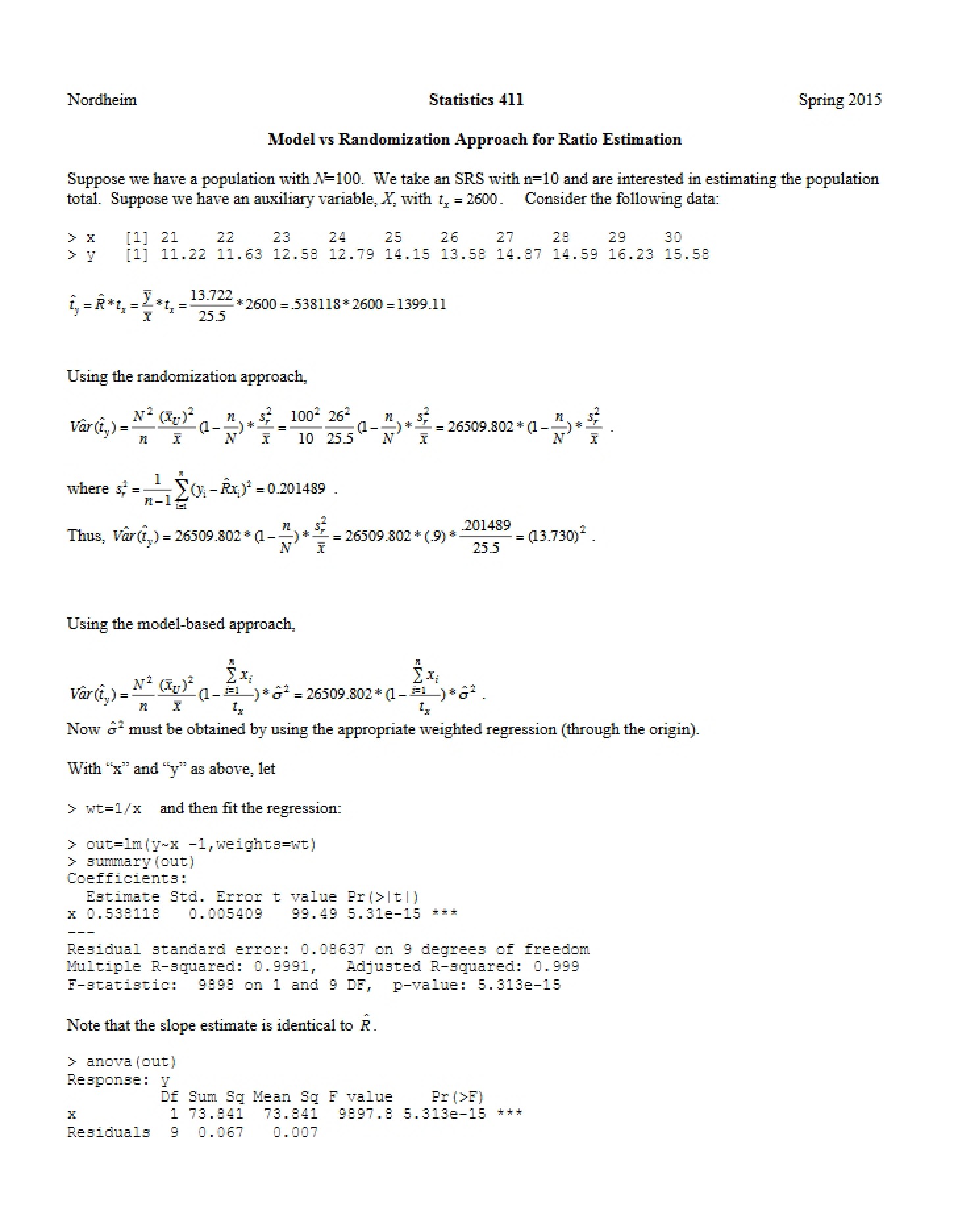
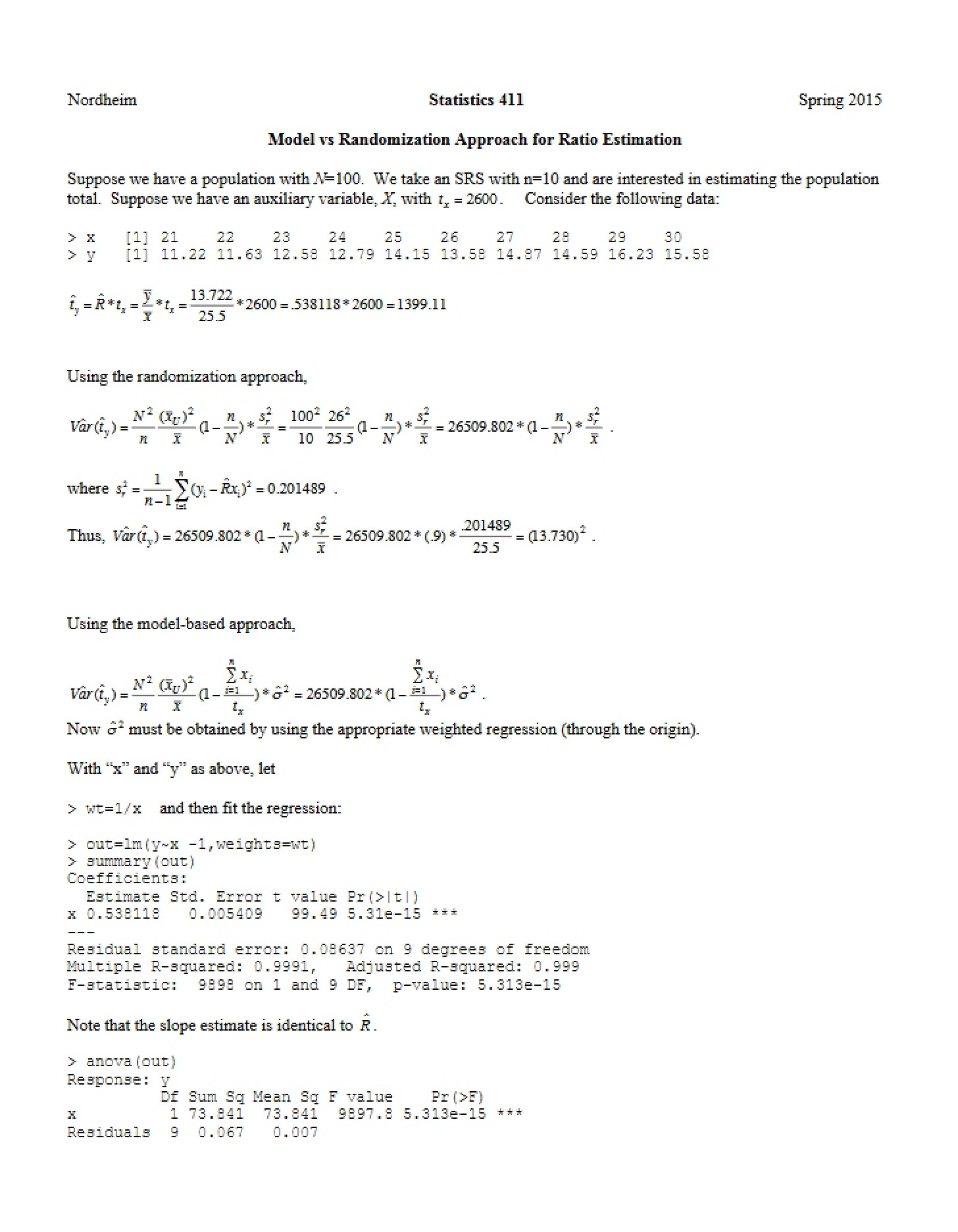
* Guidance on implementing ratio estimation techniques.
* Examples of two-stage cluster sampling designs.
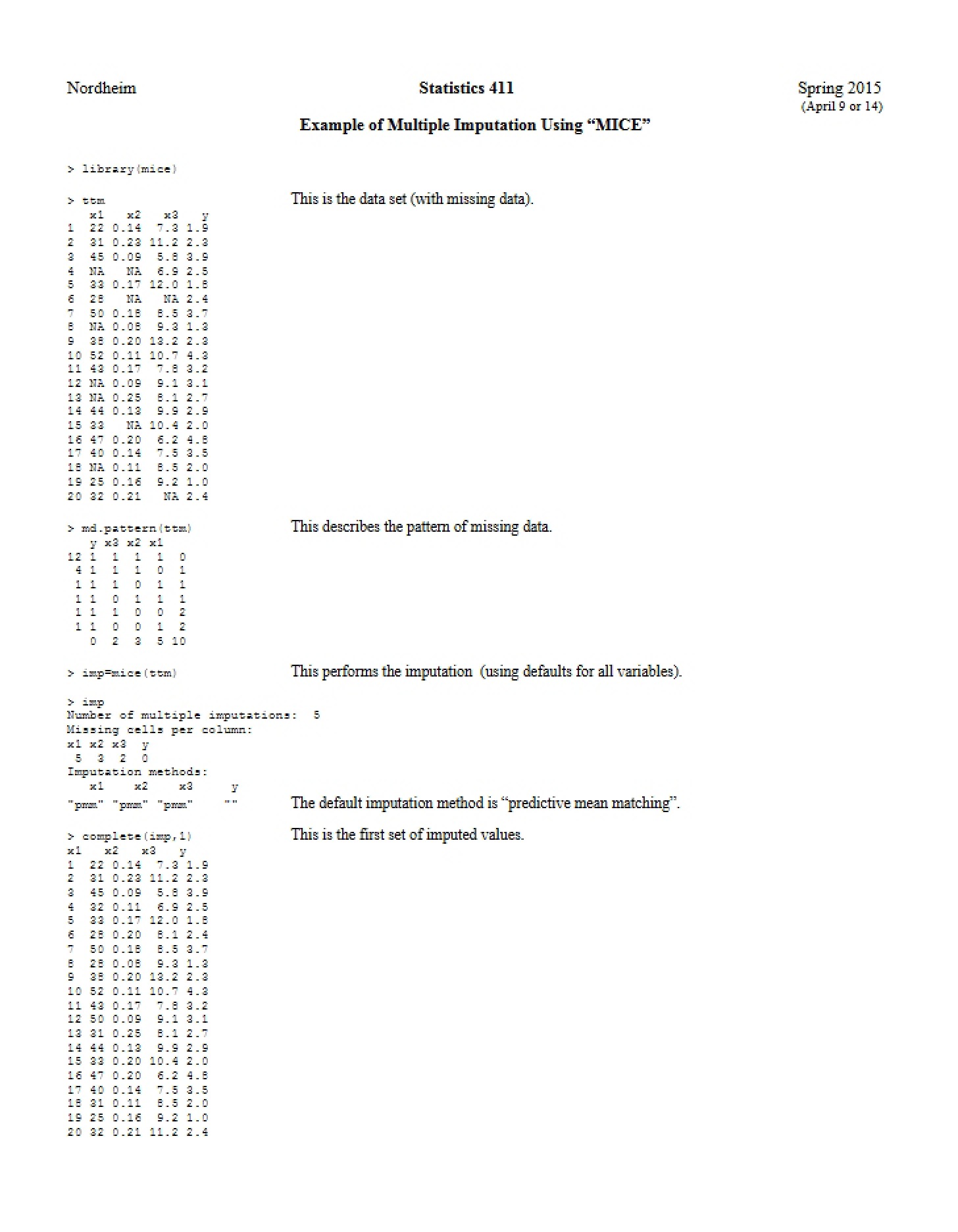
* Code snippets showcasing how to utilize key functions within the package.
* Practical application to datasets related to ecological surveys and population estimates.