What This Document Is
This is a practice final exam for Principles of Financial Accounting (ACCT 2610) at Washington University in St. Louis, created for the Fall 2011 semester. It’s designed to assess your understanding of core accounting principles covered throughout the course, mirroring the format and scope of the actual final examination. The practice exam focuses on applying accounting knowledge to realistic business scenarios and requires a comprehensive grasp of financial statement preparation and analysis.
Why This Document Matters
This resource is invaluable for students preparing for a high-stakes final exam in introductory financial accounting. It’s particularly useful for identifying knowledge gaps and building confidence before the official assessment. Working through this practice exam under timed conditions will help you refine your test-taking strategies, improve your ability to allocate time effectively, and become familiar with the types of questions you can expect. It’s best utilized after completing coursework and reviewing key concepts.
Common Limitations or Challenges
This practice exam is a simulation and, while representative, may not perfectly replicate the exact content or weighting of every topic on the actual final exam. It does not include detailed explanations of correct answers or step-by-step solutions. Successfully navigating this exam requires a solid foundation in the course material and the ability to independently apply accounting principles. It is intended as a self-assessment tool, not a substitute for thorough study.
What This Document Provides
* A comprehensive set of accounting problems covering key areas like the balance sheet, income statement, statement of shareholders’ equity, and statement of cash flows.
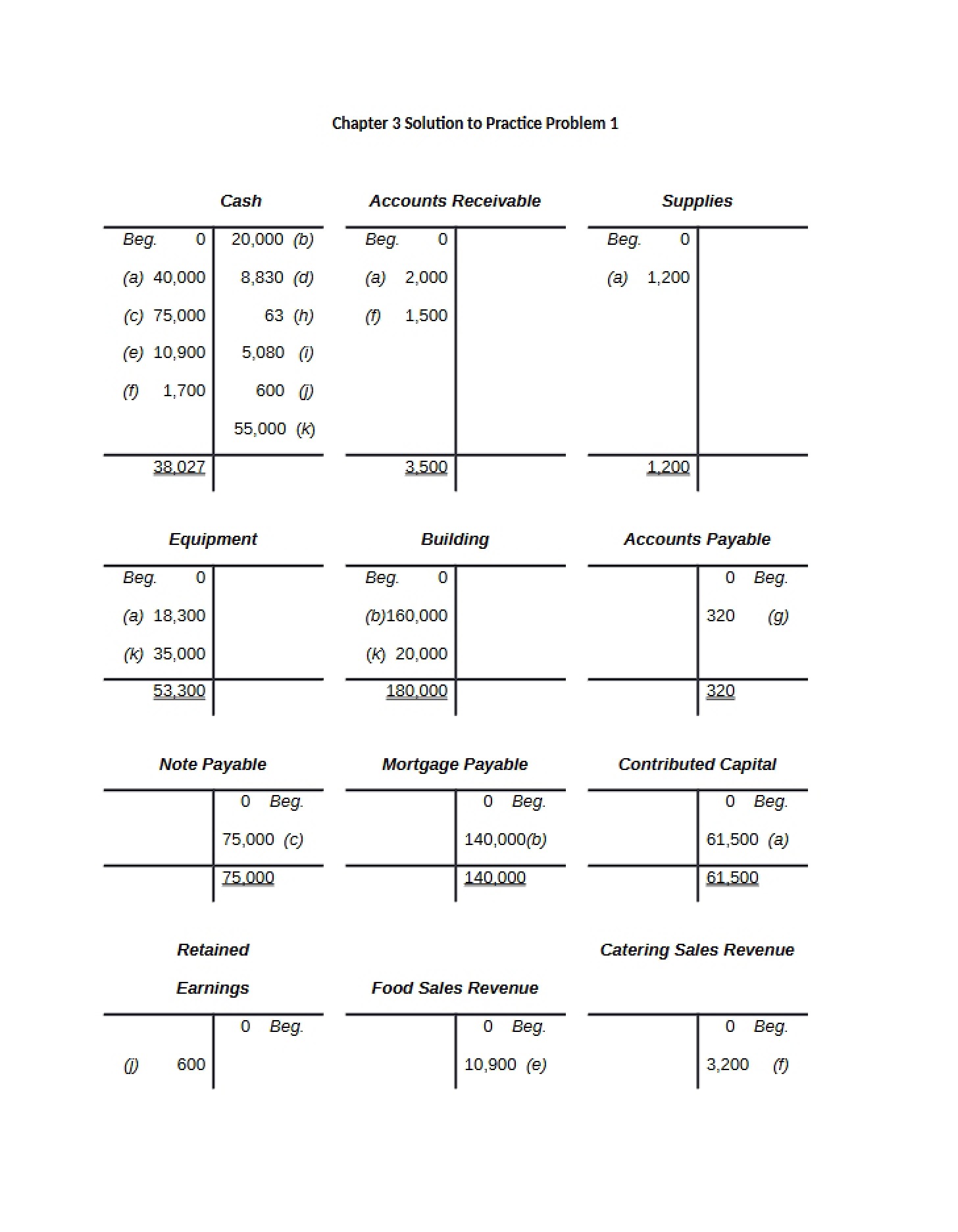
* Scenarios requiring analysis of transactions and their impact on various financial statement elements.
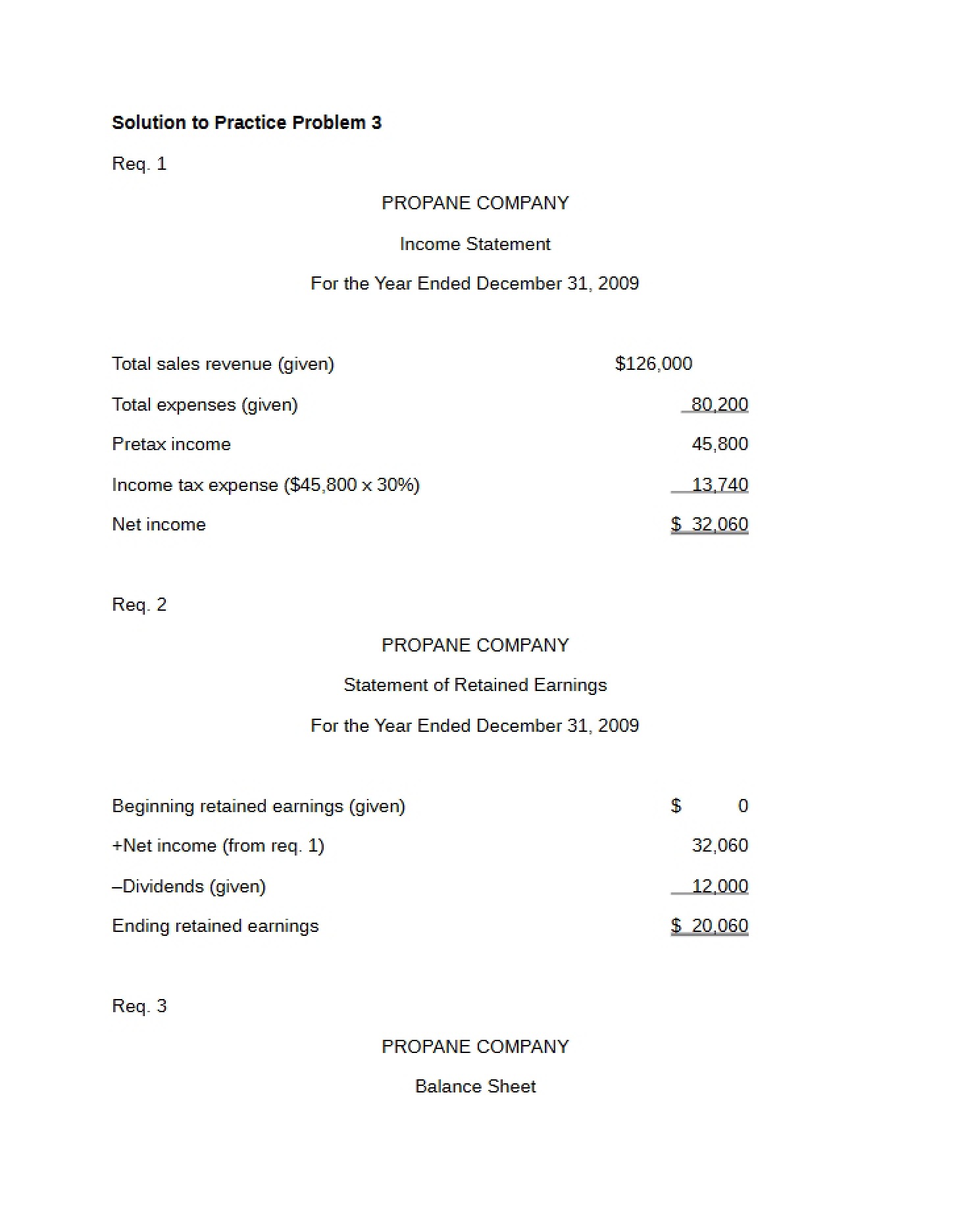
* A case study involving the reconstruction of financial statements from incomplete data.
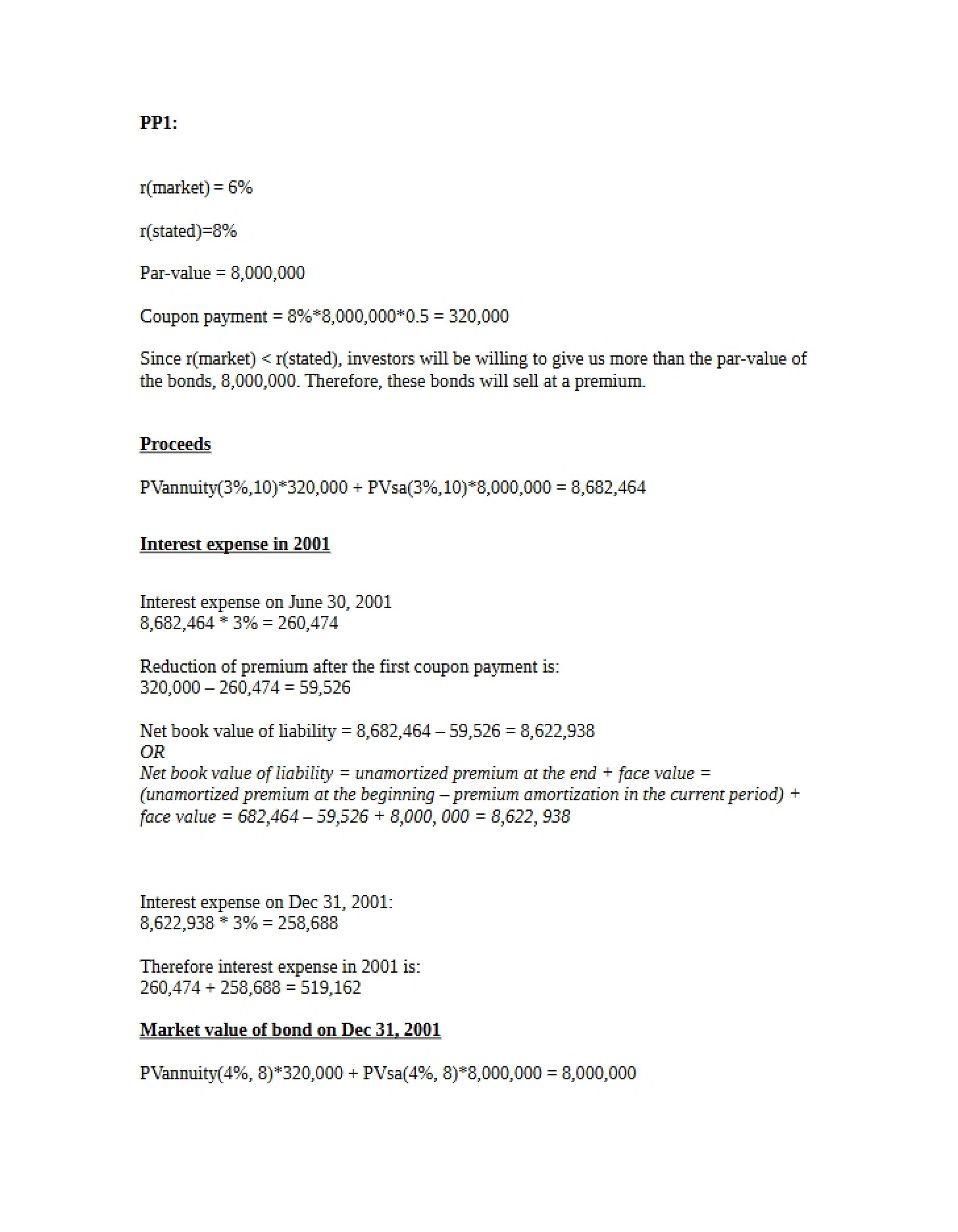
* Questions designed to test your understanding of asset valuation, depreciation methods, and cash flow classifications.
* A simulated exam environment with a specified time limit and point values for each question.