What This Document Is
This is a practice final exam for BME 513, Signal and Systems Analysis, offered at the University of Southern California. It’s designed to assess your understanding of core concepts related to signal processing, system analysis, and the mathematical foundations underpinning biomedical engineering applications. The exam focuses on applying theoretical knowledge to practical problem-solving, mirroring the format and difficulty level of the actual final assessment.
Why This Document Matters
This practice exam is an invaluable resource for students preparing for a high-stakes final examination in a rigorous signal and systems course. It’s particularly beneficial for those who want to self-assess their preparedness, identify areas needing further review, and become comfortable with the types of questions and problems they can expect. Utilizing this resource allows you to simulate exam conditions, improving time management and reducing test-day anxiety. It’s best used *after* completing coursework, homework assignments, and reviewing lecture materials.
Common Limitations or Challenges
This practice exam, while comprehensive, is not a substitute for thorough understanding of the course material. It does not include detailed explanations or step-by-step solutions; it’s intended to *test* your knowledge, not teach it. Furthermore, the actual final exam may contain variations in question wording or specific problem scenarios. This resource focuses on core principles and doesn’t cover every possible nuance of signal and systems analysis.
What This Document Provides
* A set of problems covering key topics such as frequency response analysis, filter design, and system characterization.
* Questions requiring the application of concepts like orthogonality and the properties of linear time-invariant (LTI) systems.
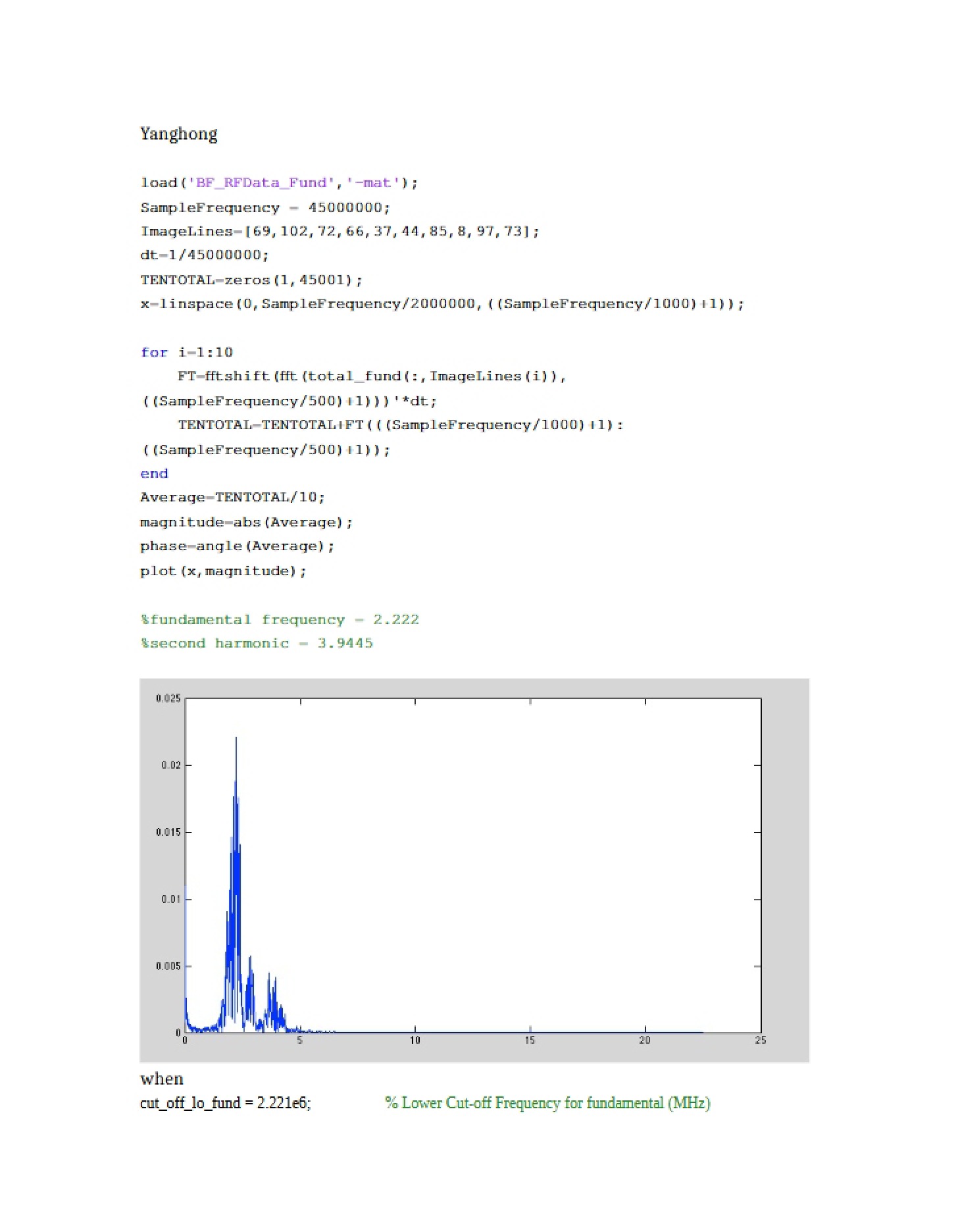
* Problems involving the analysis of signals in both the time and frequency domains.
* A scenario-based problem focused on digital signal processing for biomedical applications (ECG signal acquisition).
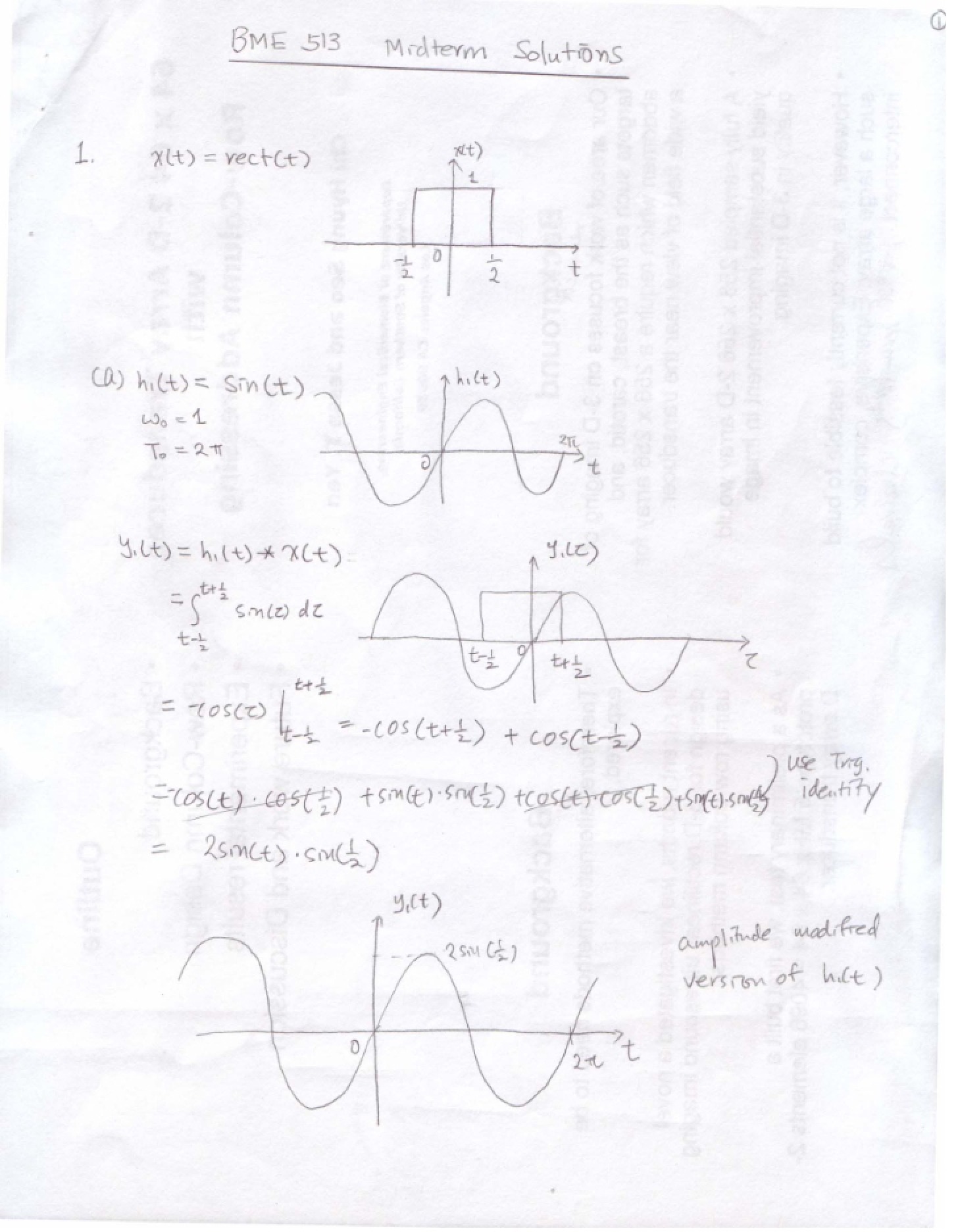
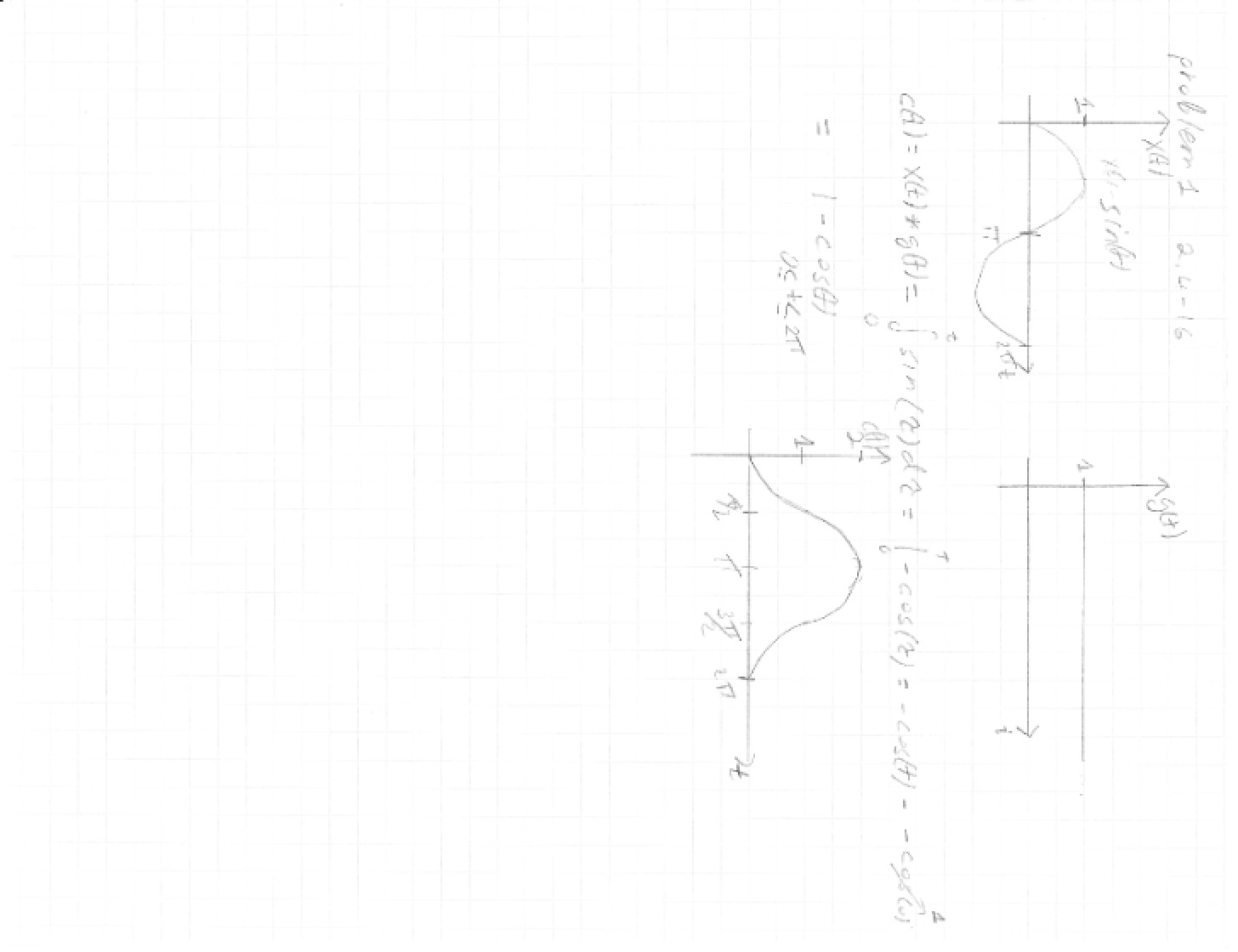
* Problems requiring sketching and interpretation of signal and system characteristics.
* A clear indication of the point value assigned to each problem, reflecting its relative importance.