What This Document Is
This is a homework assignment for BME 513, Signal and Systems Analysis, at the University of Southern California. It focuses on practical application of signal processing techniques, likely building upon theoretical concepts covered in lectures. The assignment centers around utilizing the Fourier Transform and sinc functions to analyze and manipulate signals within a computational environment – specifically, MATLAB is used extensively. It appears to involve both signal generation and analysis, with a focus on understanding frequency domain representations.
Why This Document Matters
This assignment is crucial for students enrolled in an advanced signal processing course. Successfully completing it demonstrates a student’s ability to translate theoretical knowledge into practical problem-solving skills. It’s particularly valuable for those pursuing careers in biomedical engineering, where signal analysis is fundamental to areas like medical imaging, physiological monitoring, and data interpretation. Working through this assignment will reinforce understanding of core concepts and prepare you for more complex projects and examinations. It’s best utilized *after* a solid grasp of Fourier analysis and sinc function properties has been established.
Common Limitations or Challenges
This assignment does not provide a comprehensive review of the underlying theory behind signal processing. It assumes a pre-existing understanding of concepts like the Fourier Transform, frequency response, and the properties of sinc functions. It also doesn’t offer step-by-step instructions for using MATLAB; a working knowledge of the software is expected. The assignment focuses on applying these tools to specific problems, rather than teaching the fundamentals of the software itself. It is also a specific instance of problem-solving and won’t necessarily cover *every* possible signal processing scenario.
What This Document Provides
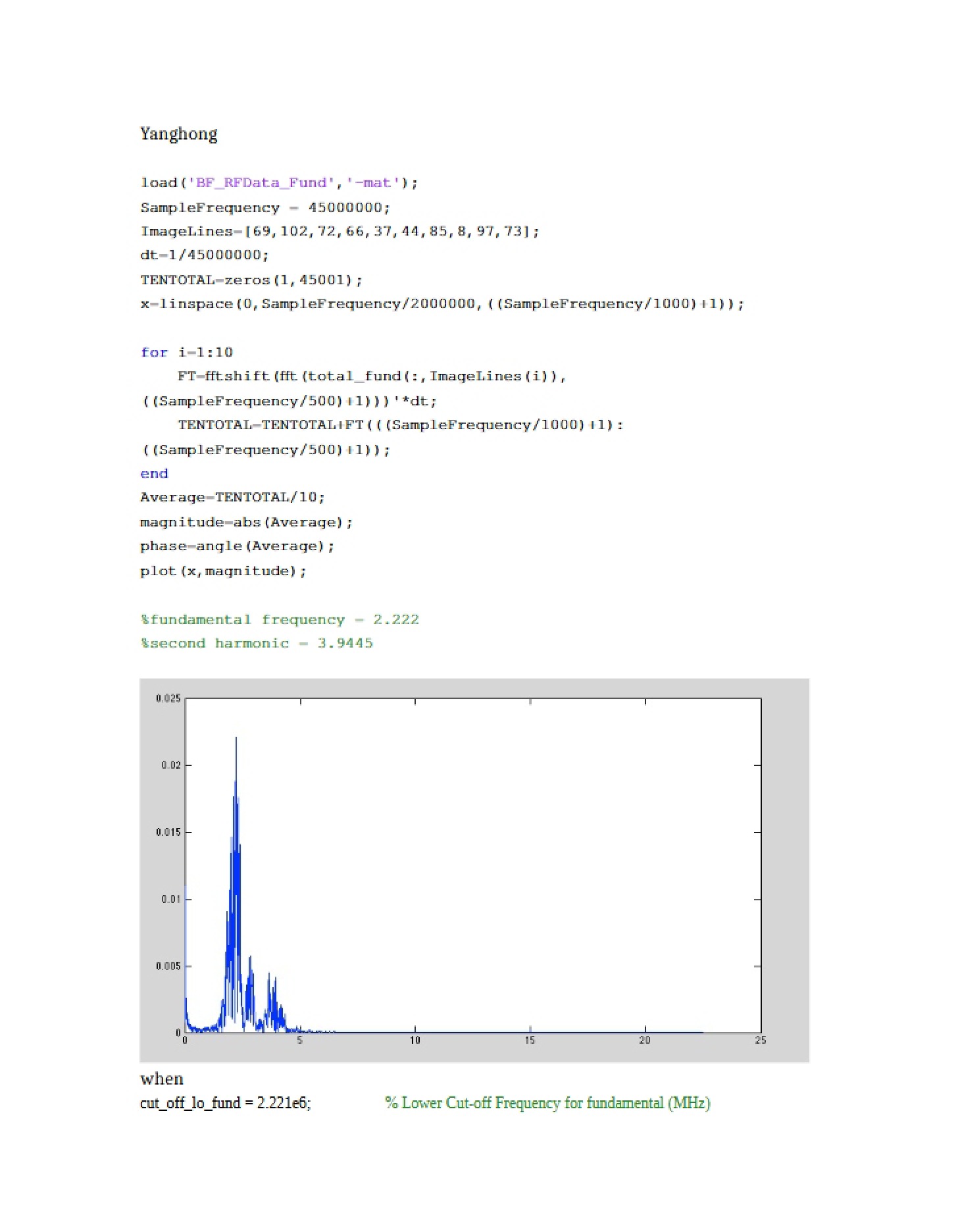
* MATLAB code implementing signal generation and analysis techniques.
* Exploration of signal representation in both the time and frequency domains.
* Application of the Fourier Transform to analyze signal characteristics.
* Exercises involving manipulation of signal phase and amplitude.
* Opportunities to compare analytical results with computational outcomes.
* Data sets for analysis and experimentation.
* A practical context for understanding the relationship between continuous-time signals and their discrete-time counterparts.