What This Document Is
This document contains worked solutions for a practice midterm exam in Signal and Systems Analysis (BME 513) at the University of Southern California. It’s designed to help students assess their understanding of core concepts covered in the course leading up to a major evaluation. The material focuses on the mathematical analysis and practical application of signals and systems principles. Expect to see detailed approaches to problems involving time-domain and frequency-domain representations, system characterization, and signal processing techniques.
Why This Document Matters
This resource is invaluable for students preparing for midterms or similar assessments in Signal and Systems. It’s particularly helpful for those who want to verify their problem-solving techniques, identify areas where their understanding is weak, and gain confidence before the actual exam. Students who have attempted the practice midterm independently and are looking for a deeper understanding of the methodologies involved will find this especially beneficial. It’s best used *after* a sincere attempt to solve the problems on your own, to maximize learning.
Common Limitations or Challenges
This document focuses *solely* on providing solutions to a specific practice midterm. It does not include explanations of fundamental concepts, derivations of key equations, or comprehensive theory reviews. It assumes a solid foundation in the course material. Furthermore, it does not offer alternative solution paths or explore the nuances of different approaches – it presents one specific method for each problem. It will not substitute for attending lectures, completing homework assignments, or actively participating in study groups.
What This Document Provides
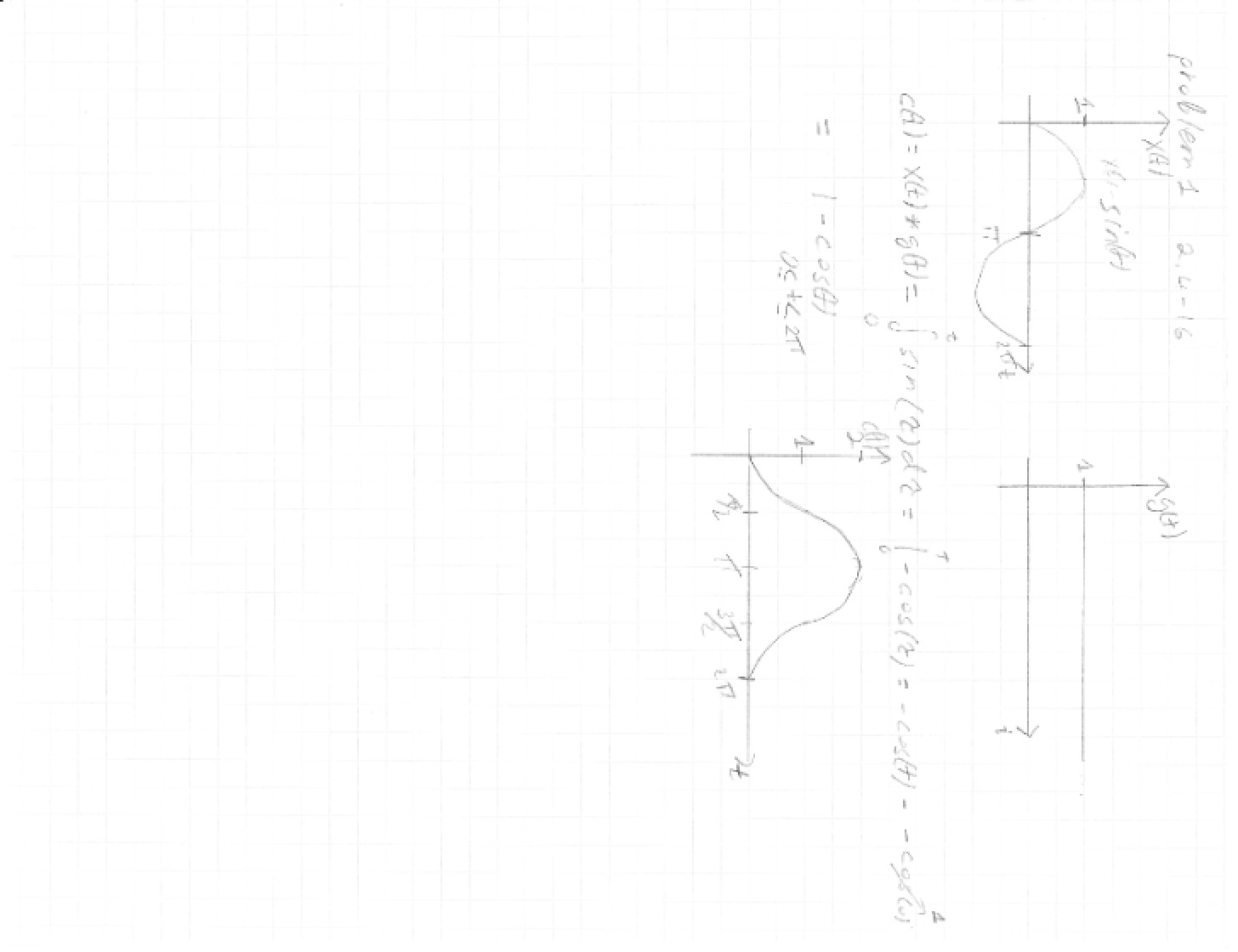
* Detailed step-by-step solutions to each problem on the practice midterm.
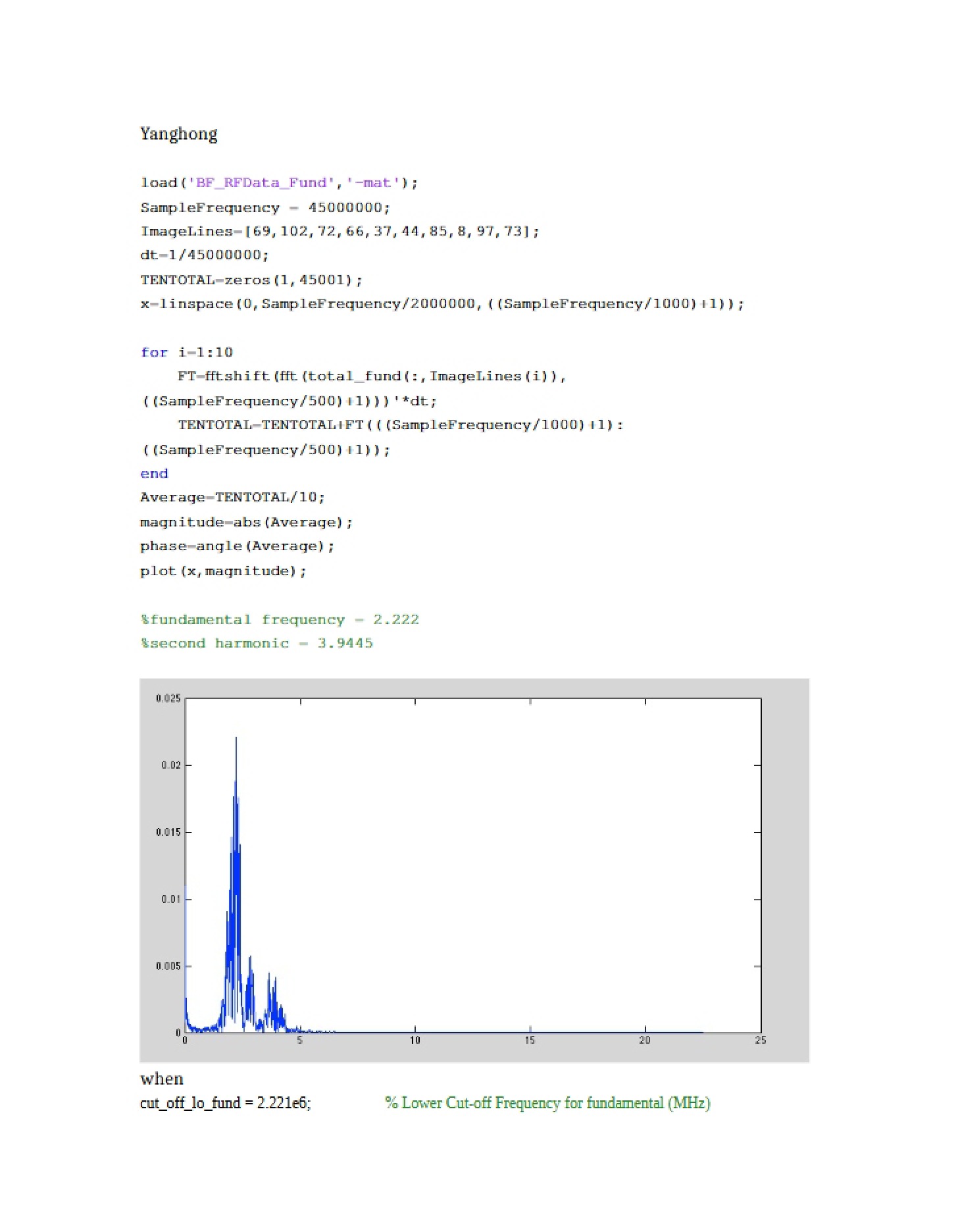
* Applications of signal and system analysis techniques to specific problem scenarios.
* Illustrations of how to approach common problem types encountered in the course.
* Worked examples demonstrating the use of mathematical tools for signal and system analysis.
* Insights into the expected level of rigor and detail required for exam solutions.