What This Document Is
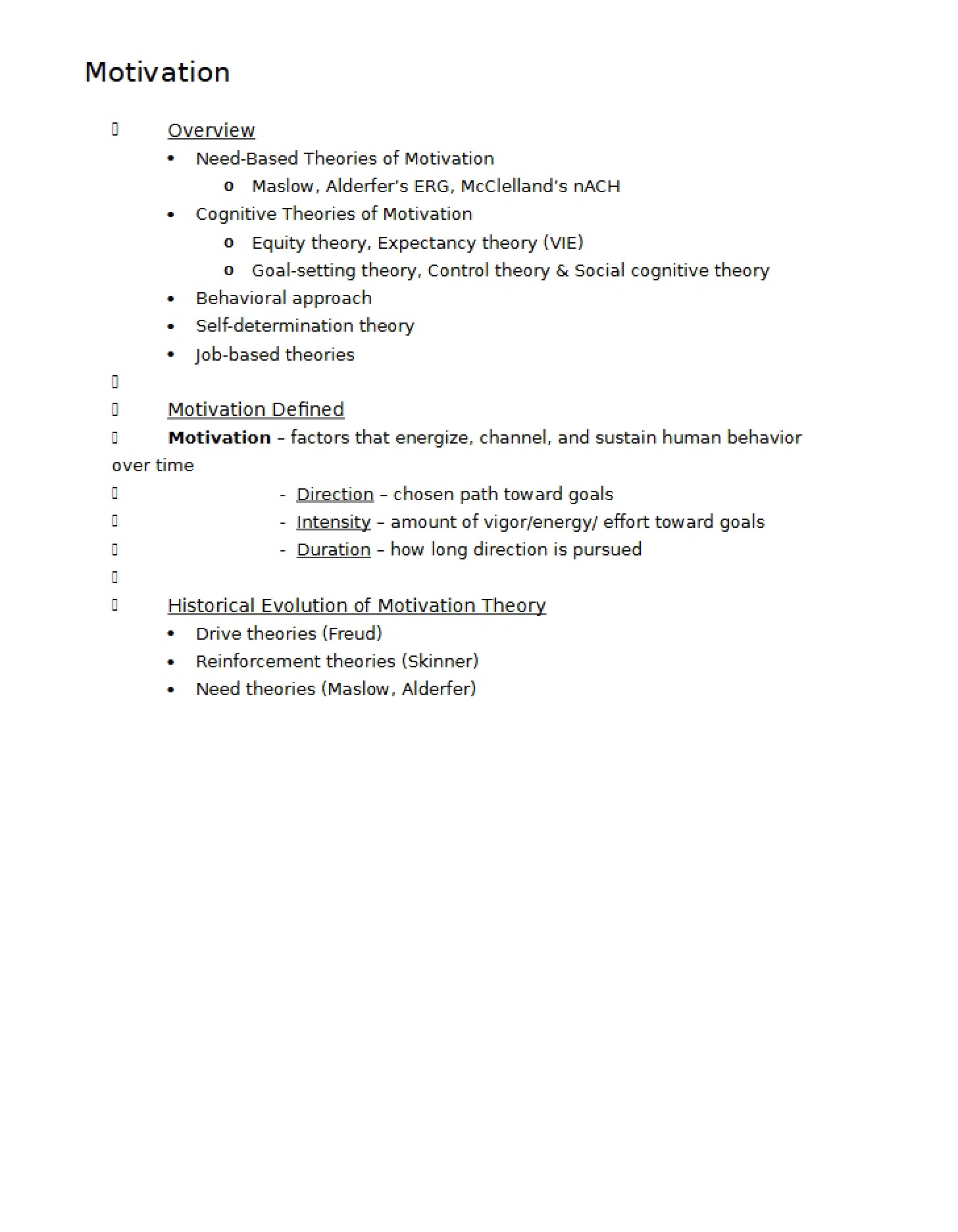
This document is a comprehensive review resource designed to prepare students for the fourth examination in PSYC 455: Organizational Psychology at the University of Illinois at Urbana-Champaign. It focuses on the core principles of motivation, a critical component of understanding individual and group behavior within organizations. The review synthesizes major theoretical frameworks and research findings related to what drives human action in a work context.
Why This Document Matters
This resource is invaluable for students seeking to solidify their understanding of motivation theories before a high-stakes exam. It’s particularly helpful for those who benefit from a structured overview of key concepts and the historical development of thought in this area. Utilizing this review can help you identify areas where your understanding needs strengthening, allowing for more focused and efficient studying. It’s best used in the days leading up to the exam as a consolidation tool, after you’ve engaged with the course materials.
Common Limitations or Challenges
This review is *not* a substitute for attending lectures, completing assigned readings, or actively participating in class discussions. It provides a condensed overview and does not delve into the nuances of every study or the full scope of each theory. It also does not include practice questions or direct answers to potential exam questions – its purpose is to refresh your knowledge of the foundational concepts, not to provide a shortcut to a good grade.
What This Document Provides
* A historical overview of major motivation theories, tracing their evolution from early psychoanalytic perspectives to contemporary cognitive approaches.
* An exploration of need-based theories, including a detailed look at Maslow’s hierarchy and its modern interpretations.
* Discussion of cognitive theories of motivation, focusing on concepts of equity and social exchange.
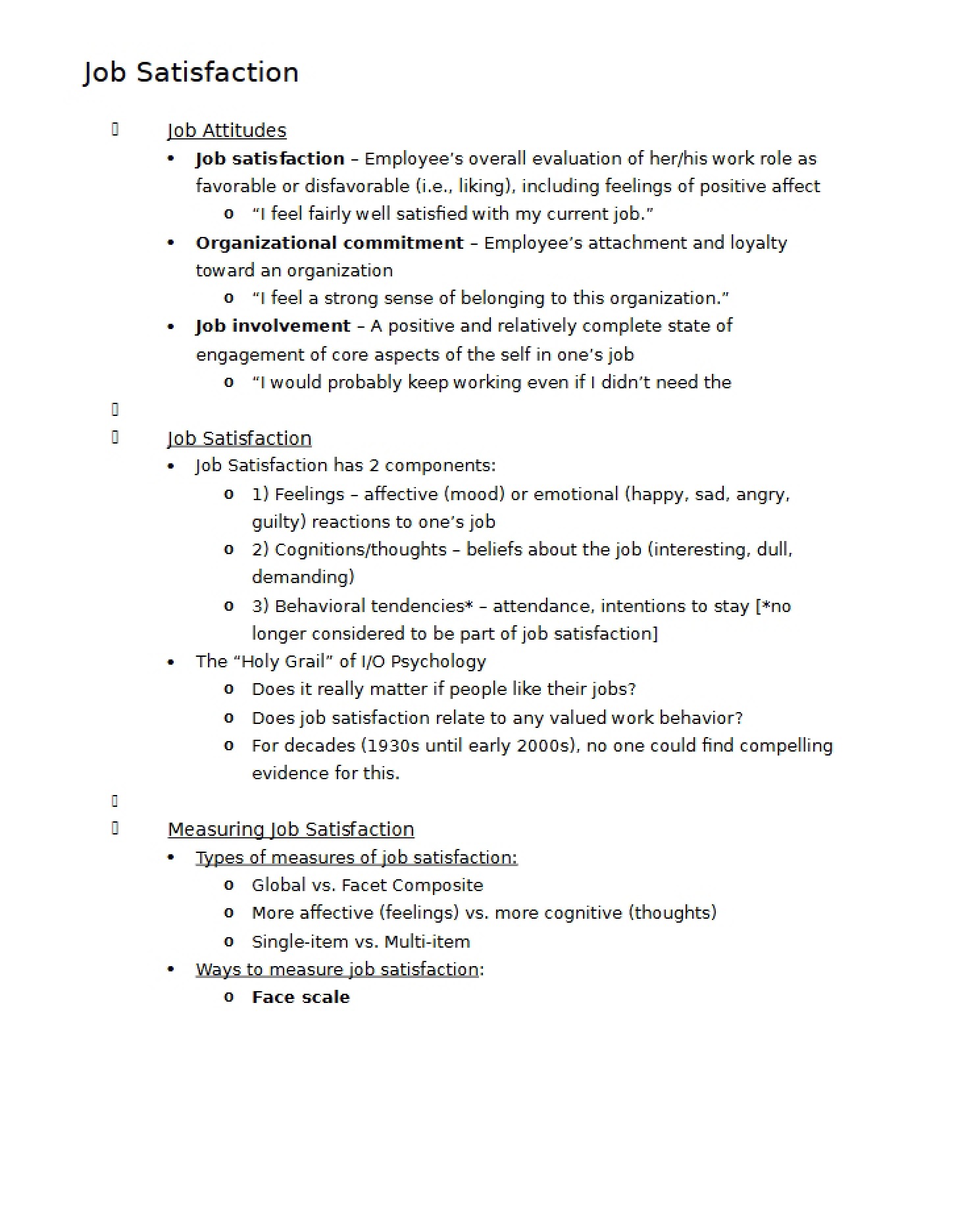
* An overview of the different types of justice in the workplace and their impact on employee attitudes.
* Key terminology and definitions related to motivation, direction, intensity, and duration of effort.