What This Document Is
This is a detailed solution guide for a practice problem in Principles of Financial Accounting (ACCT 2610) at Washington University in St. Louis. The practice problem centers around reconstructing key financial statement components and balances following a (fictional!) unfortunate incident – the partial destruction of financial records. It focuses on applying core accounting principles to derive information when complete data is unavailable. The scenario involves a company named Hungry Dog, Inc. and requires students to utilize the accounting equation and relationships between the income statement, balance sheet, and statement of cash flows.
Why This Document Matters
This resource is invaluable for students preparing for quizzes and exams in ACCT 2610. It’s particularly helpful if you’re struggling with applying accounting principles in problem-solving scenarios, or if you need to reinforce your understanding of how the three major financial statements interconnect. It’s best used *after* attempting the practice problem independently, as a way to check your work and understand the logic behind the correct approach. Students who benefit most will be those looking to solidify their understanding of financial statement analysis and the accounting cycle.
Common Limitations or Challenges
This solution guide does *not* provide a step-by-step walkthrough of how to initially approach the problem. It assumes you’ve already made an attempt at solving it and are looking for clarification on specific calculations and reasoning. It will not teach you the fundamental accounting principles themselves; rather, it demonstrates their application in a specific context. It also doesn’t cover alternative approaches to solving the problem – it presents one possible solution path.
What This Document Provides
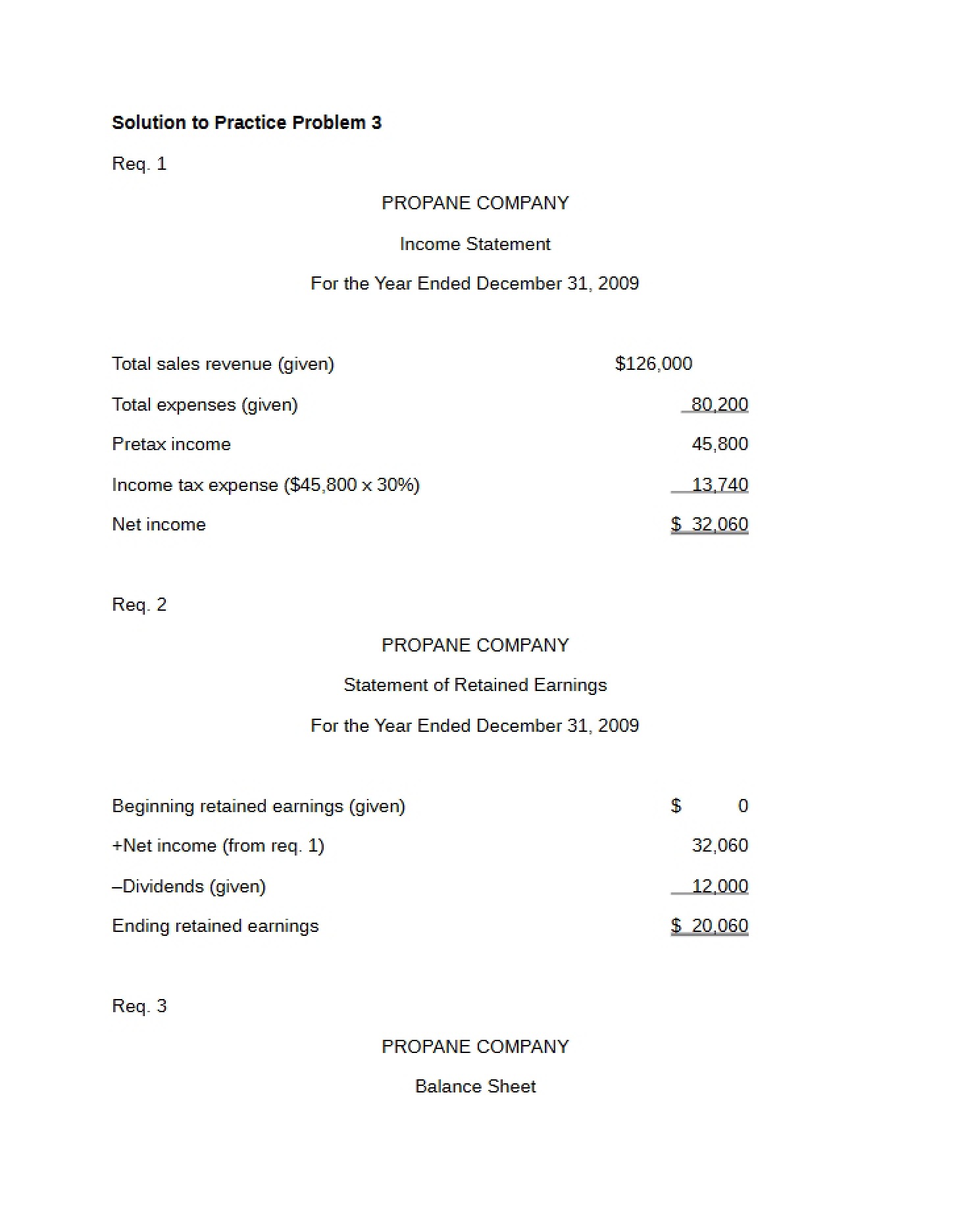
* A complete breakdown of how to determine missing values within the income statement, including revenue and expense calculations.
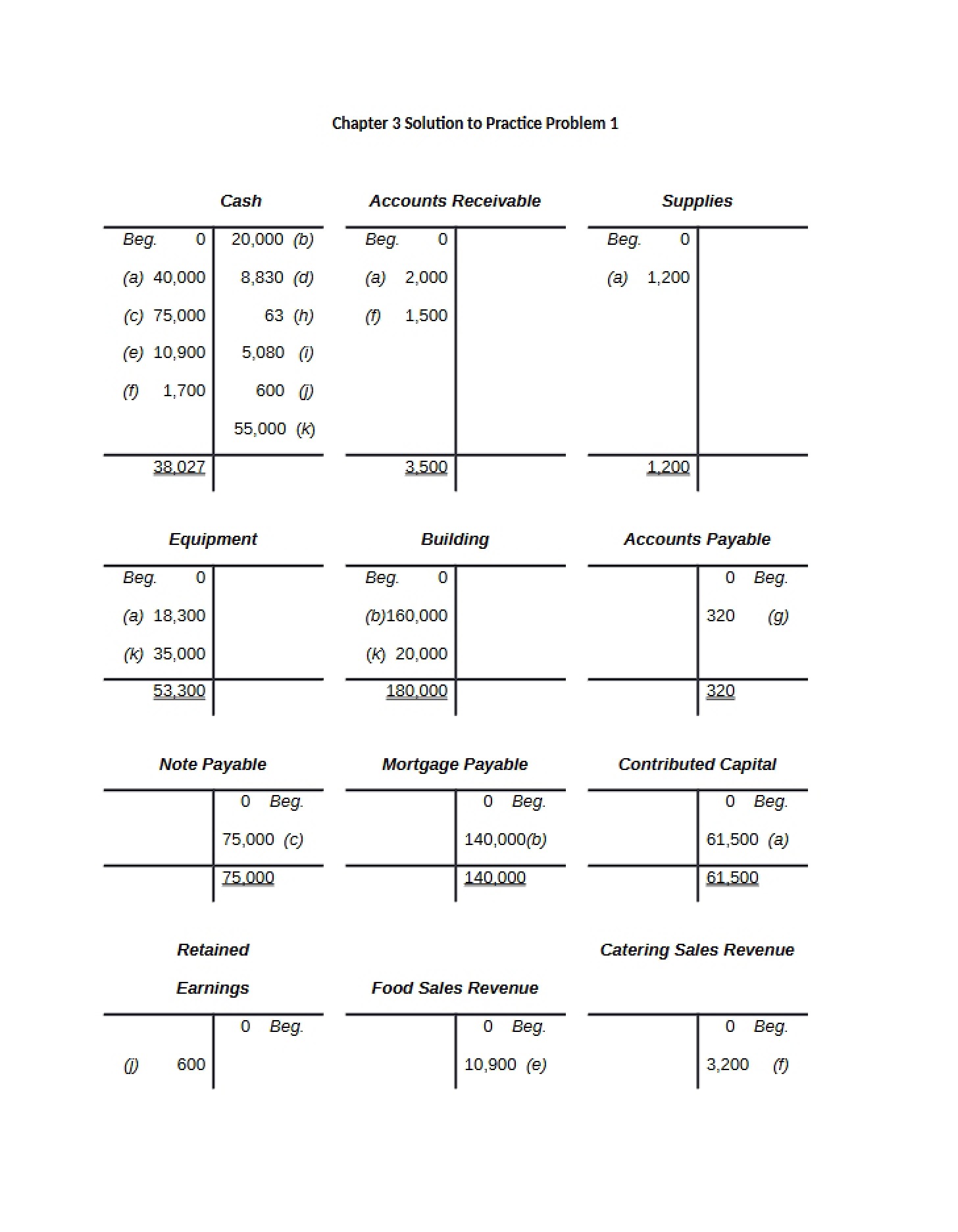
* Reconstruction of balance sheet figures, utilizing the fundamental accounting equation (Assets = Liabilities + Equity).
* Analysis of cash flow statement components and their relationship to other financial statements.
* Illustrative calculations related to changes in retained earnings and the impact of dividends.
* Derivation of asset values based on limited information and accounting principles.
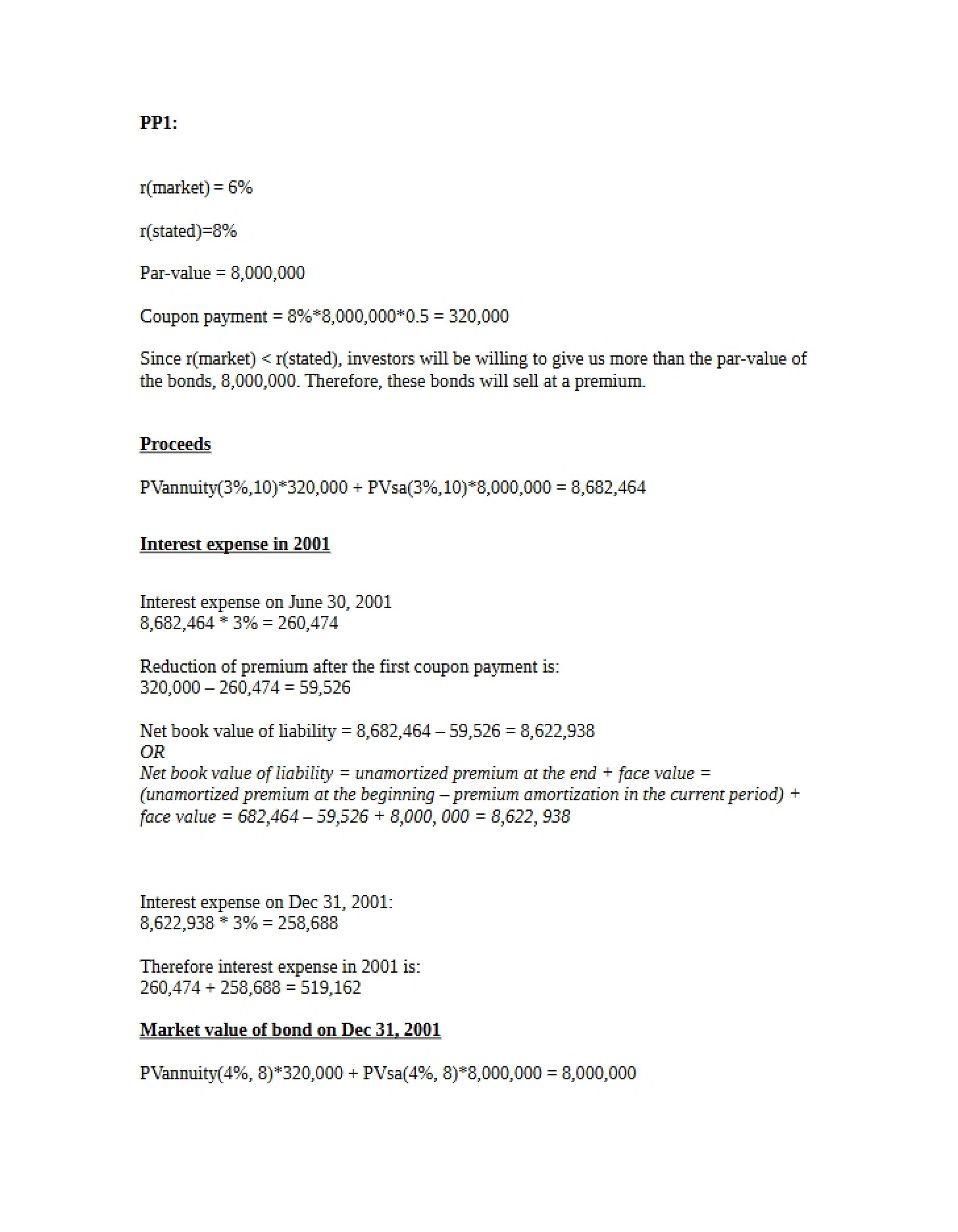
* Detailed explanations connecting investing and financing activities to changes in financial statement balances.