What This Document Is
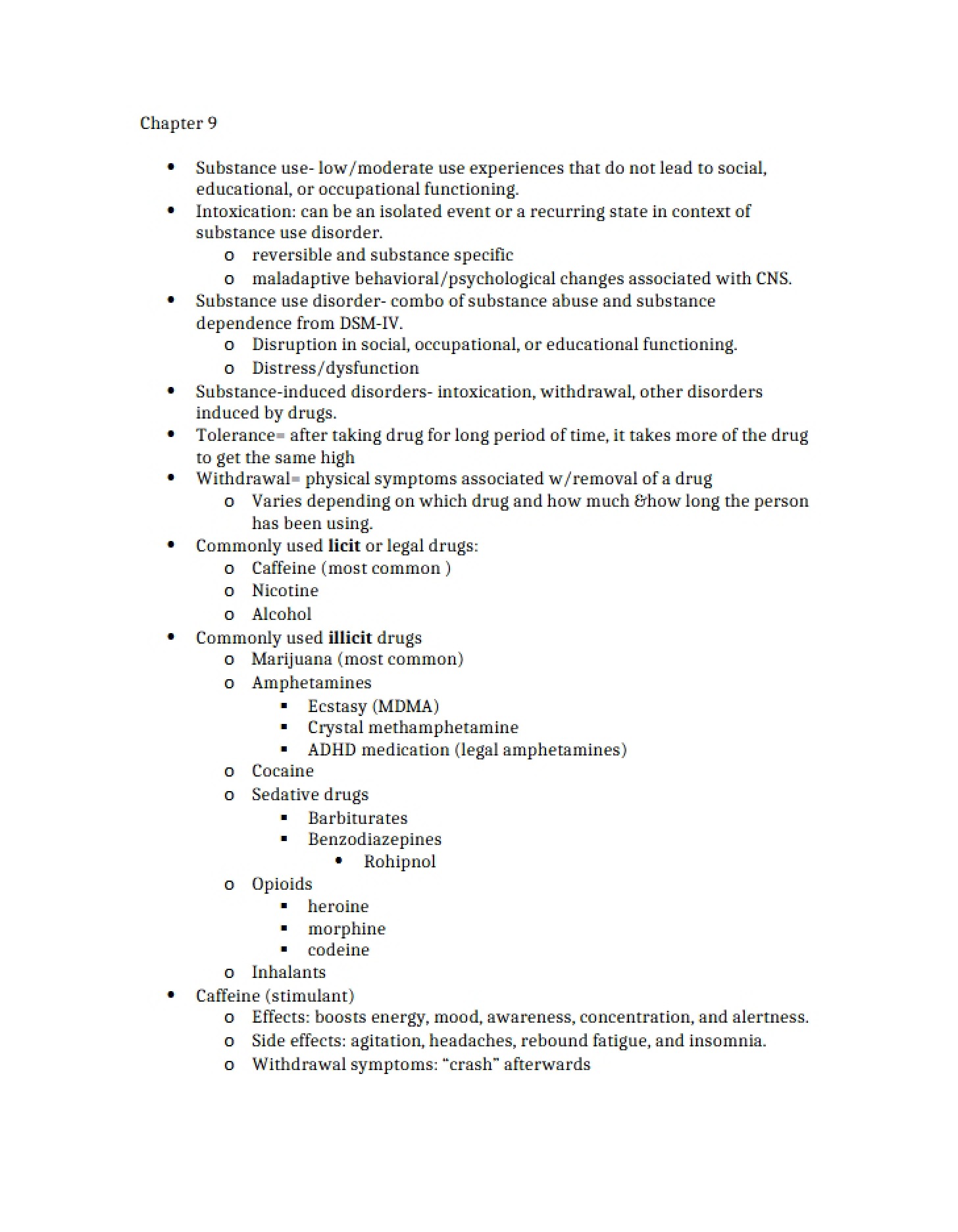
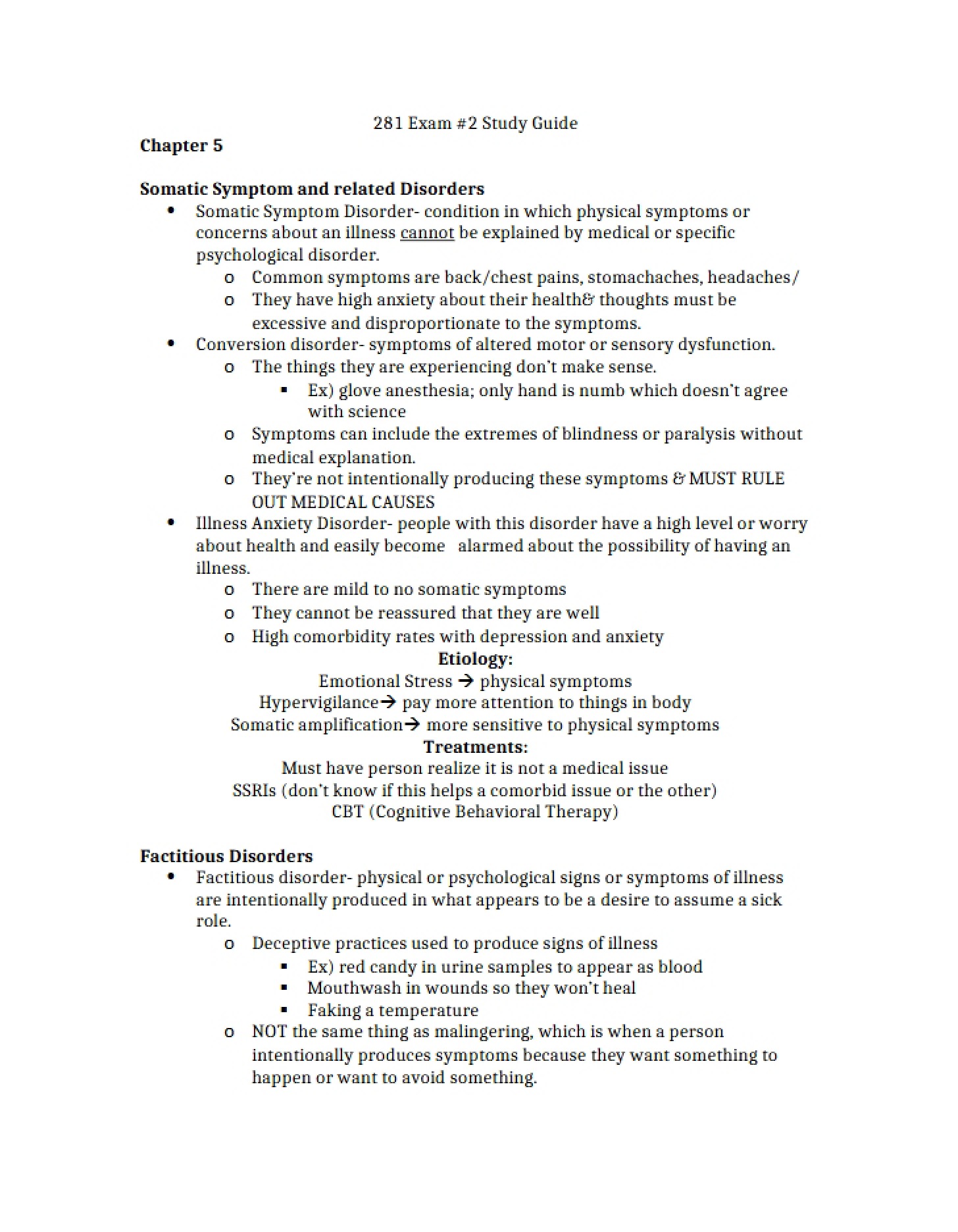
This is a comprehensive study guide designed to help students prepare for Exam 2 in PSYC 281: Introduction to Psych Disorders at West Virginia University. It focuses on several key areas within the field of abnormal psychology, offering a structured approach to understanding complex psychological conditions. The guide covers a range of disorders, from those involving physical symptoms and dissociative experiences to mood, eating, and gender/sexual-related disorders.
Why This Document Matters
This resource is invaluable for students aiming to solidify their understanding of the material covered in Chapters 5-8. It’s particularly useful for students who benefit from a consolidated overview of core concepts, epidemiological factors, potential treatment approaches, and theoretical perspectives on the development of various psychological disorders. Utilizing this guide can significantly enhance exam preparation and improve overall comprehension of the course material. It’s best used in conjunction with lecture notes and assigned readings.
Common Limitations or Challenges
This study guide is intended as a *supplement* to course materials, not a replacement. It does not contain the full lecture content, textbook readings, or any new information not previously presented in class. It will not provide direct answers to exam questions, nor does it offer detailed case studies or clinical applications. The guide focuses on outlining key areas for study, but requires active engagement with the course materials for complete understanding.
What This Document Provides
* A focused overview of Somatic Symptom, Dissociative, and Factitious Disorders.
* A breakdown of key concepts related to Mood Disorders, including Major Depressive Disorder and Bipolar Disorder.
* An exploration of the core features of Feeding and Eating Disorders, and their distinctions.
* A review of Gender and Sexual Disorders, including associated terminology and potential causes.
* Identification of important terms and concepts within each chapter.
* Guidance on areas of potential controversy and debate within the field.
* A framework for understanding the interplay between etiology, epidemiology, treatment, and core symptoms for each disorder covered.