What This Document Is
This study guide provides a focused overview of substance-related and addictive disorders, a core topic within introductory psychology and specifically within the study of psychopathology. It delves into the complexities of substance use, moving beyond simple definitions to explore the nuances of intoxication, tolerance, and withdrawal. The material is geared towards students seeking a foundational understanding of the diagnostic criteria and potential consequences associated with various substances.
Why This Document Matters
This resource is ideal for students enrolled in courses like Introduction to Psych Disorders (PSYC 281) at West Virginia University, or similar introductory psychology courses at other institutions. It’s particularly helpful when preparing for exams, completing assignments, or simply seeking to solidify your understanding of a challenging subject area. Students who struggle with differentiating between substance use and substance use *disorder*, or those needing a structured review of commonly encountered substances, will find this guide beneficial. It’s best used *in conjunction* with course lectures and assigned readings.
Common Limitations or Challenges
This guide is designed to be a supplementary learning tool and does not replace the need for comprehensive course materials or clinical expertise. It does not offer diagnostic advice, treatment recommendations, or in-depth case studies. The information presented is a snapshot of key concepts and should not be considered a complete exploration of the field. It also does not cover the legal and societal implications of substance use in detail.
What This Document Provides
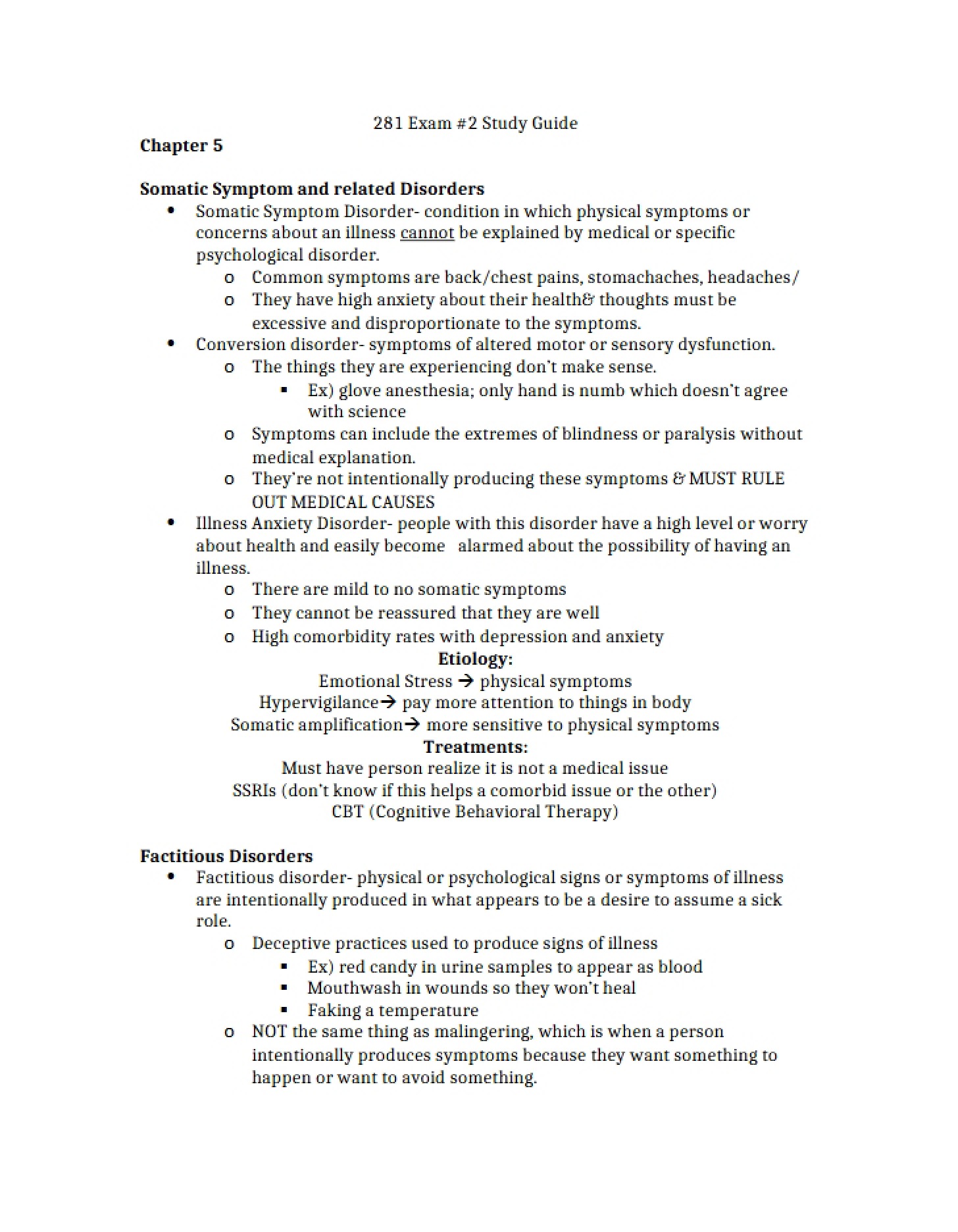
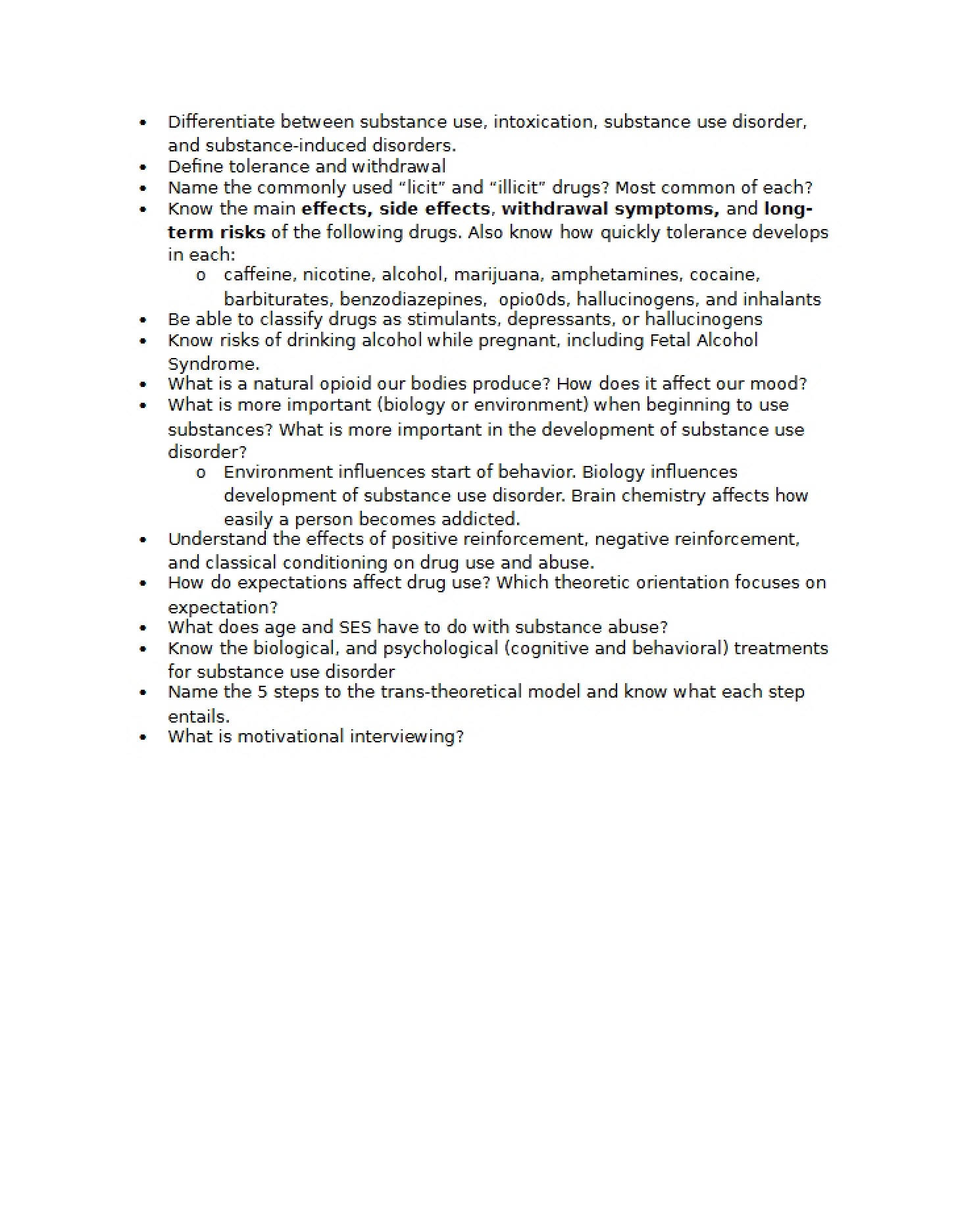
* A breakdown of key terminology related to substance use and addictive behaviors.
* Categorization of commonly encountered licit and illicit substances.
* An overview of the general effects associated with different classes of drugs (stimulants, depressants, etc.).
* Discussion of common physiological and psychological responses to substance use, including tolerance and withdrawal.
* Identification of potential long-term risks associated with various substances.