What This Document Is
This comprehensive study guide is designed to support students enrolled in an introductory Social Work course (SOCW 200) at the University of Illinois at Urbana-Champaign. It provides a focused overview of the foundational knowledge essential for understanding the social work profession, its history, core values, and practice approaches. The guide synthesizes key concepts related to generalist social work practice and the broader social welfare system.
Why This Document Matters
This resource is invaluable for students preparing for a final exam or seeking to solidify their understanding of core social work principles. It’s particularly helpful for those needing a consolidated review of the course material, or for identifying areas where further study may be required. Students who utilize this guide will be better equipped to articulate the historical context of the profession, understand ethical considerations, and apply systems-level thinking to complex social issues. It’s best used in conjunction with course lectures, readings, and assignments.
Common Limitations or Challenges
This guide is intended as a *supplement* to course materials, not a replacement. It does not contain the full breadth of information presented in lectures or assigned readings. It will not provide detailed case studies, specific intervention techniques, or answers to potential exam questions. The guide offers a framework for understanding, but active engagement with the course content is still crucial for success. It also doesn’t delve into current events or recent policy changes impacting the field.
What This Document Provides
* An overview of the core qualities, skills, and values underpinning the social work profession.
* A discussion of generalist practice and its key components.
* Historical context of the profession’s founding movements and key figures.
* Information regarding the role and functions of prominent organizations like NASW and CSWE.
* An exploration of ethical considerations and frameworks for ethical decision-making.
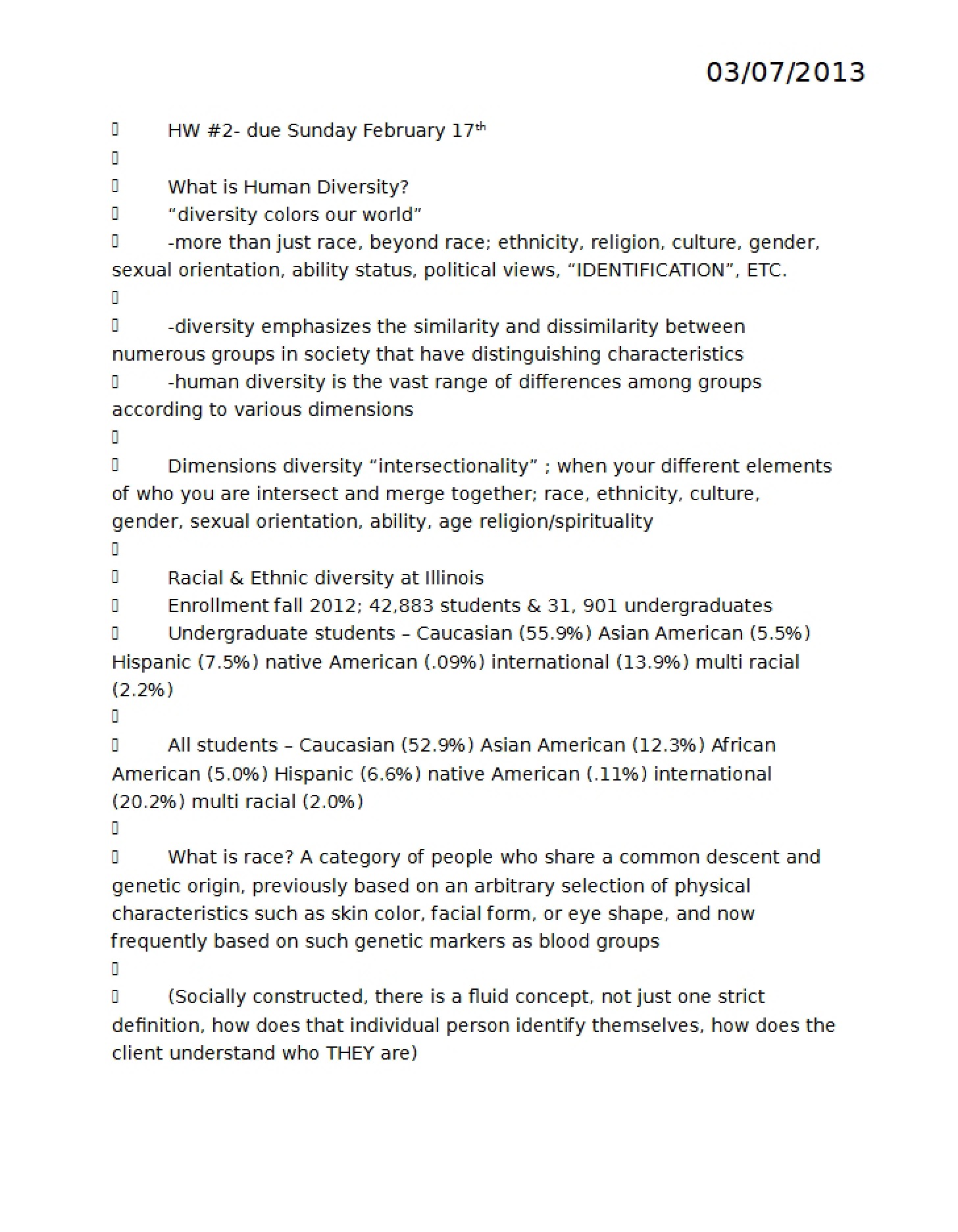
* Identification of populations considered “at-risk” and relevant considerations for practice.
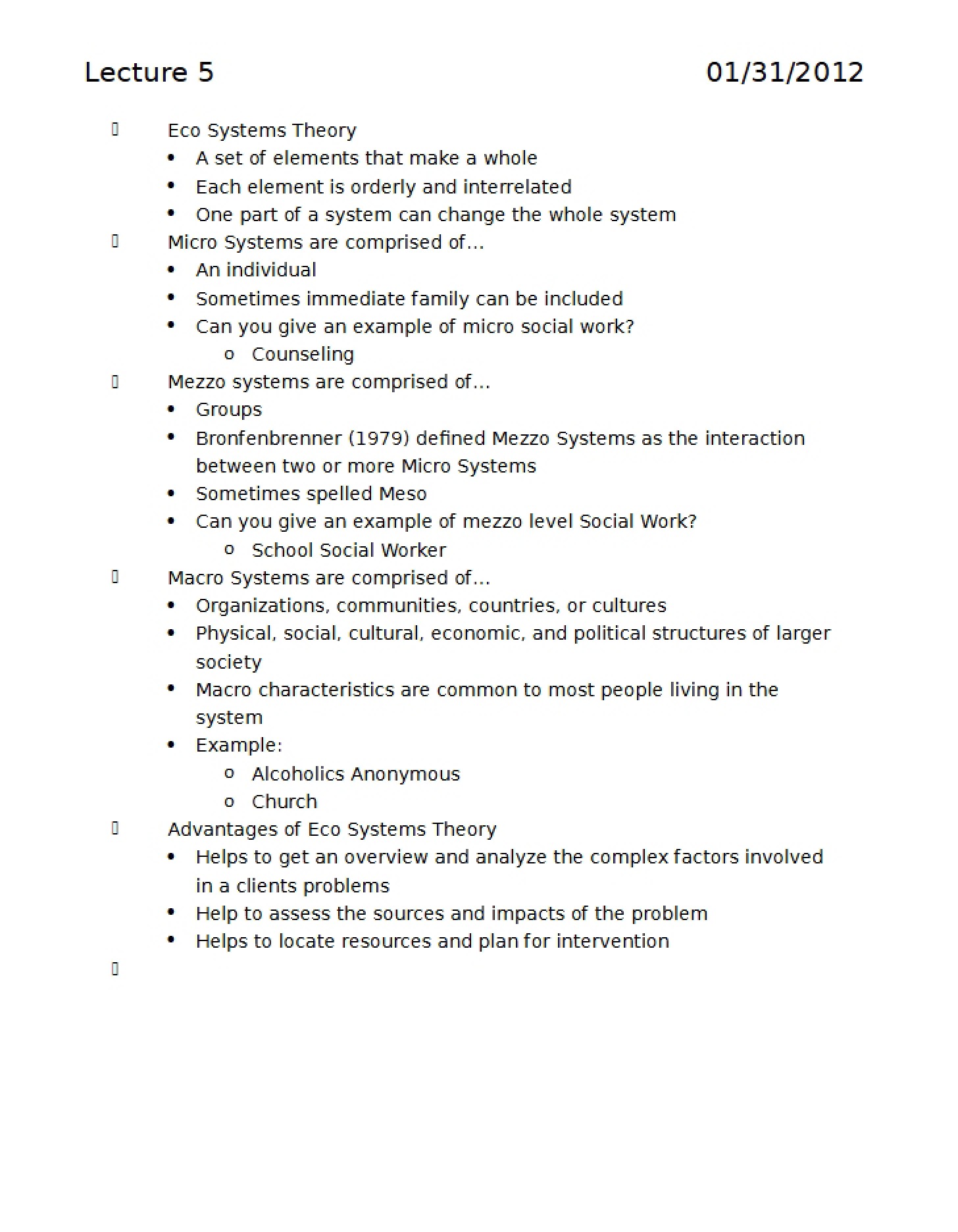
* Explanations of key theoretical perspectives, including Systems Theory and the Strengths Perspective.
* A timeline of the evolution of social welfare policy in America.