What This Document Is
This study guide provides a foundational overview of core theoretical frameworks essential to the field of social work. Specifically, it delves into systems-based approaches to understanding individuals and their environments. It’s designed for students in an introductory social work course, offering a detailed exploration of key concepts that underpin effective practice. The material focuses on how social workers conceptualize the complex interplay between people and the various systems impacting their lives.
Why This Document Matters
Students enrolled in introductory social work courses – and those preparing for related fields like counseling or human services – will find this resource particularly valuable. It’s ideal for clarifying abstract theoretical concepts and building a strong base for more advanced coursework. This guide is most helpful when you’re beginning to analyze case studies, develop intervention strategies, or simply seeking a deeper understanding of the ecological dimensions of human experience. It will help you think critically about the multiple factors influencing well-being and the role of the social worker in navigating these complexities.
Common Limitations or Challenges
This guide focuses on theoretical underpinnings and does *not* offer practical application exercises or detailed case analyses. It will not provide step-by-step instructions for conducting assessments or implementing interventions. Furthermore, it presents foundational concepts and doesn’t cover every nuanced perspective within each theoretical framework. It’s intended as a starting point for learning, and further research and practical experience are necessary for comprehensive understanding.
What This Document Provides
* A detailed exploration of Systems Theory and its origins.
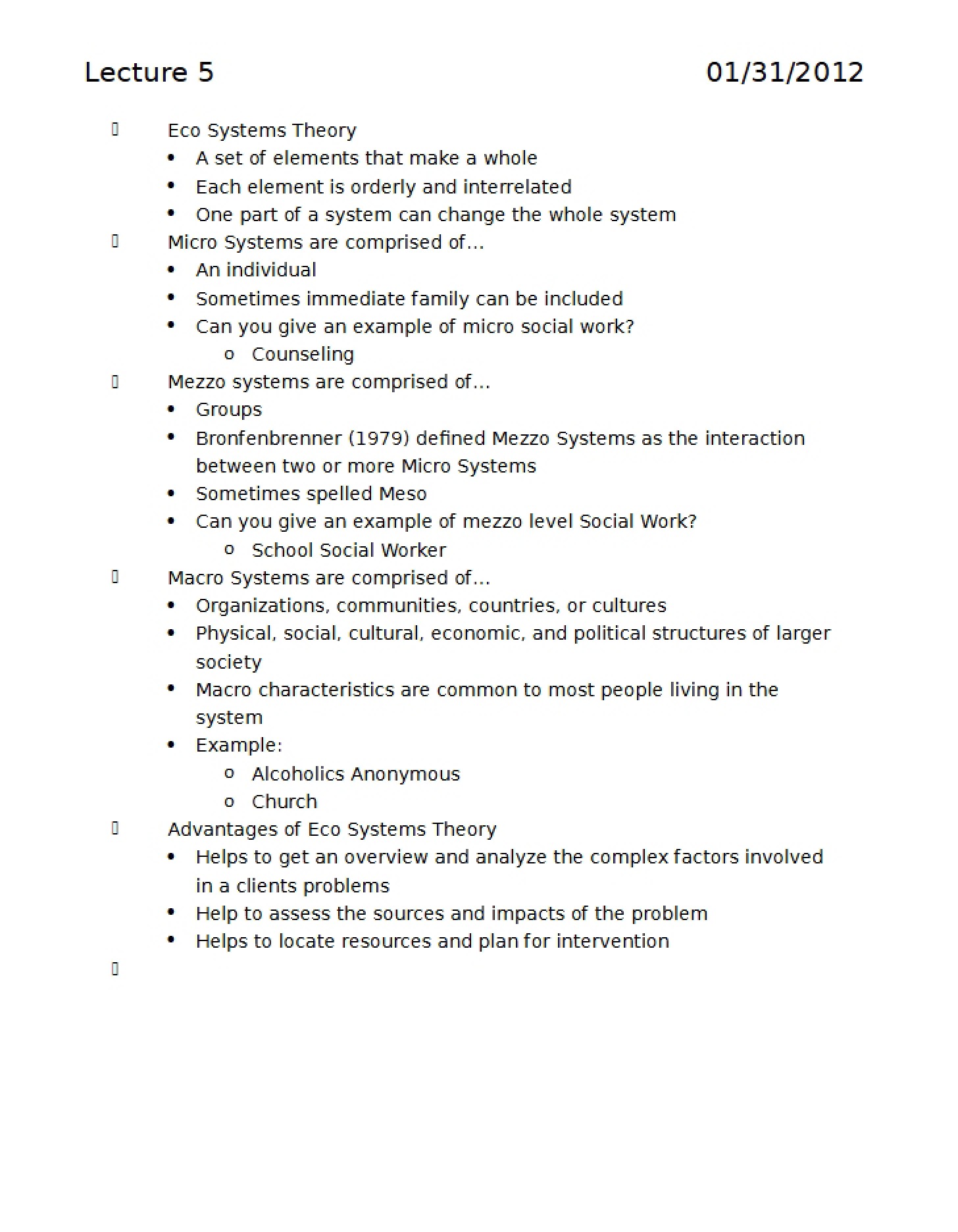
* An in-depth look at the Ecological Framework (also known as the Ecosystems Perspective) in social work.
* Clarification of the “Person-in-Environment” perspective and its multi-level components.
* A breakdown of multi-level systems – Micro, Mezzo, and Macro – and their interconnectedness.
* Definitions of key roles within the social work process: client, target, and action systems.
* An introduction to visual tools used in social work practice for mapping systems and relationships.