What This Document Is
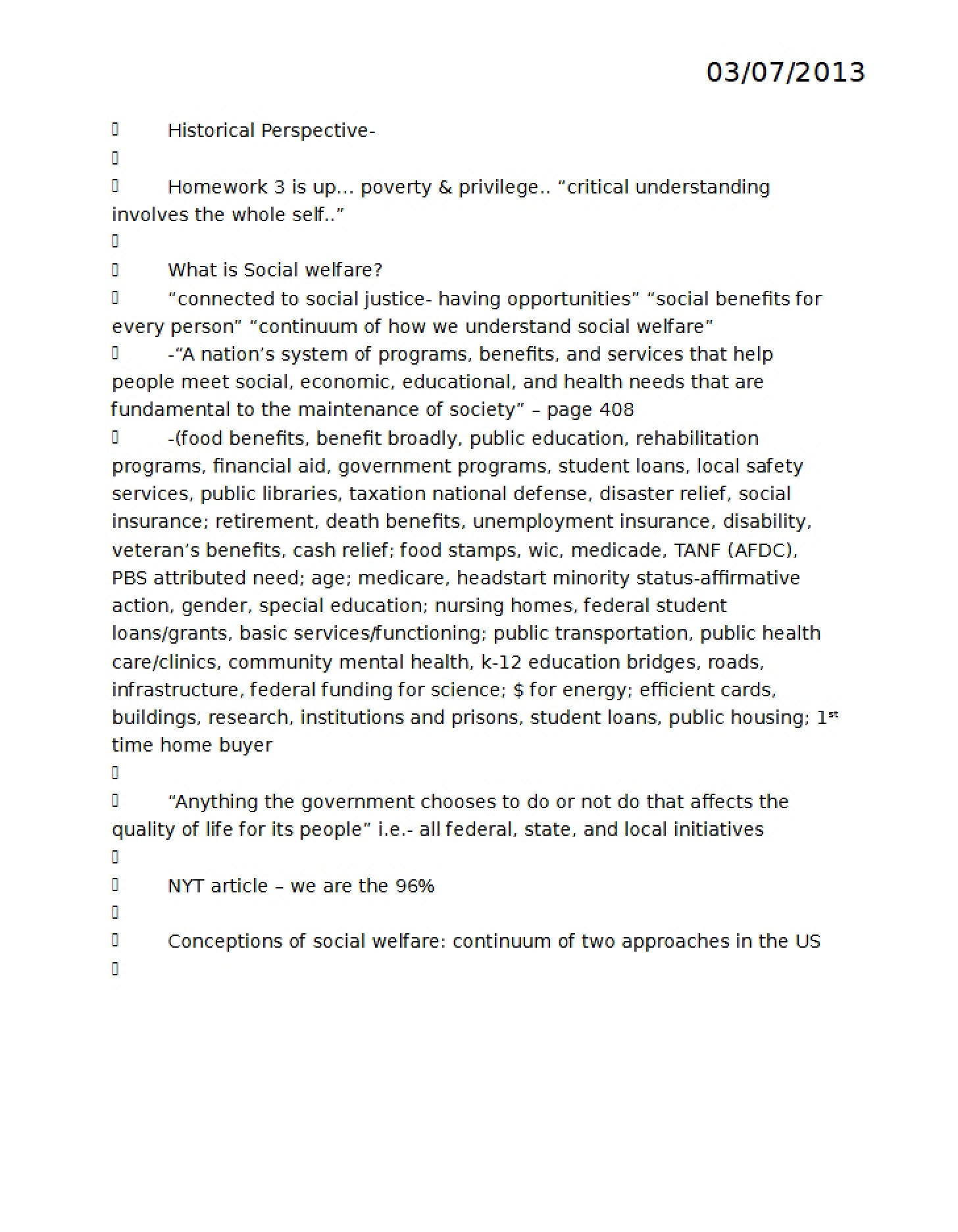
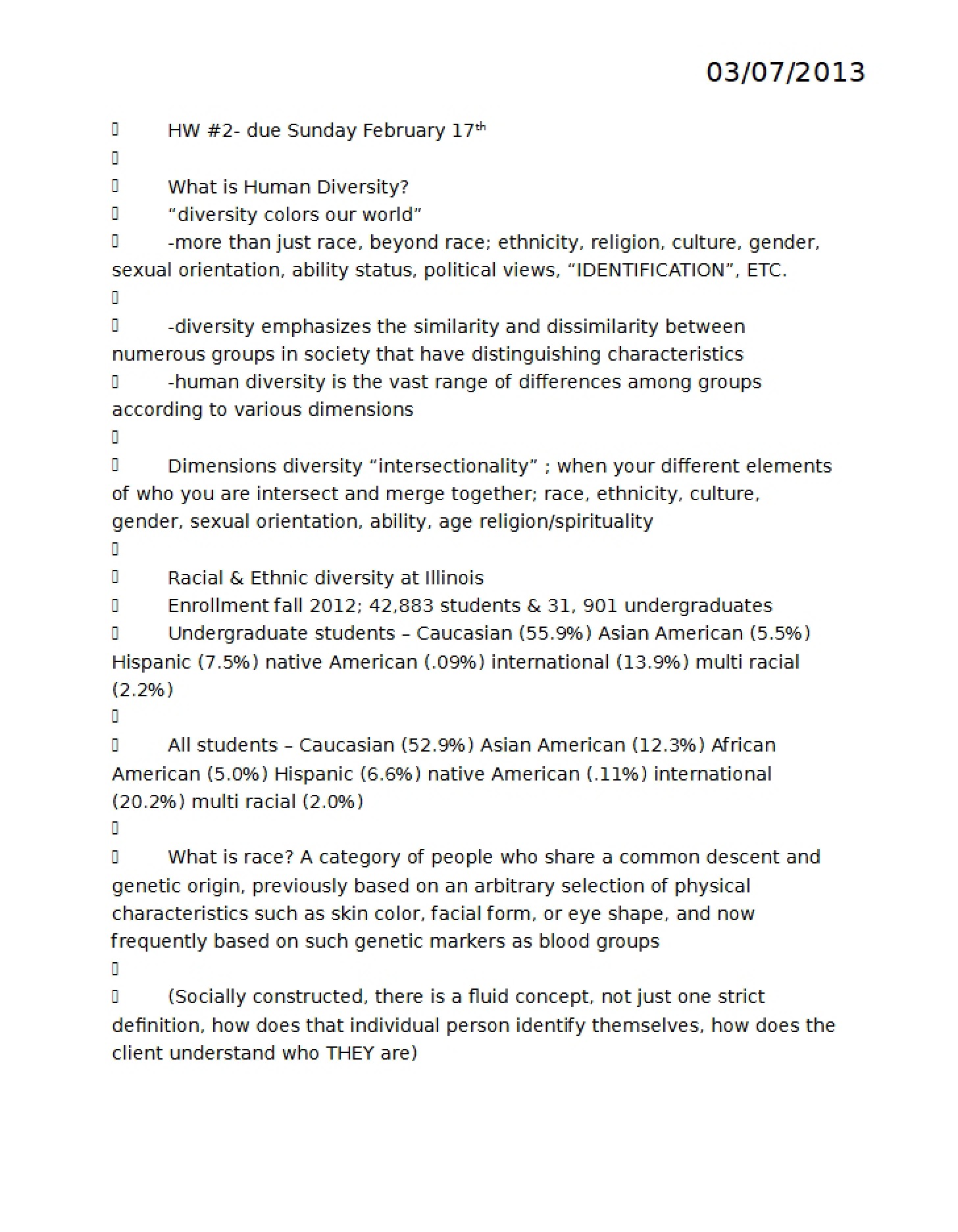
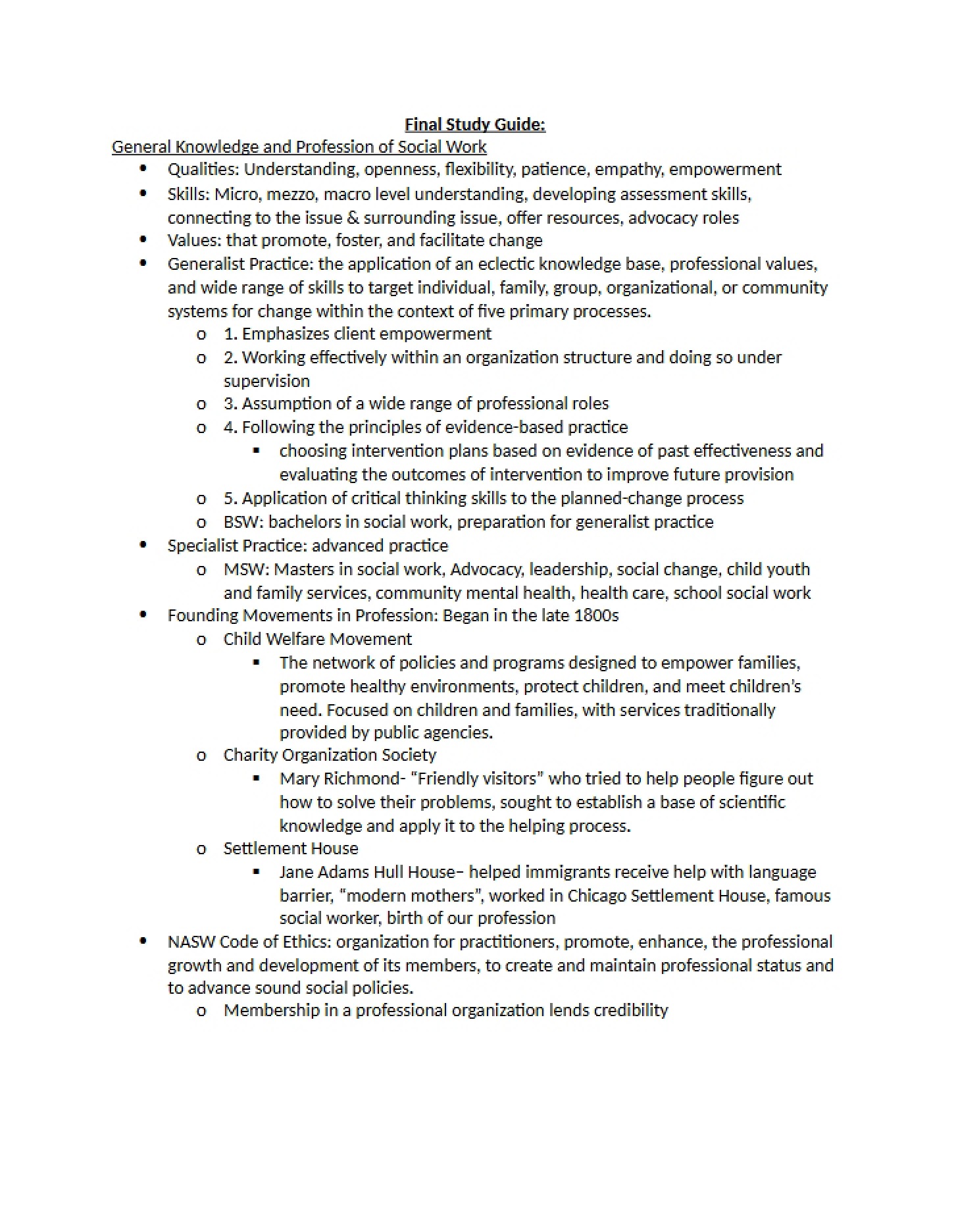
This resource is a set of lecture notes from an introductory Social Work course (SOCW 200) at the University of Illinois at Urbana-Champaign. It focuses on a foundational theoretical framework used extensively in the field – Ecological Systems Theory. The lecture explores how individuals are understood within multiple, interconnected environments, moving beyond individual-focused perspectives to consider broader influences. It’s designed to build a core understanding of systems-based thinking, a crucial skill for aspiring social work professionals.
Why This Document Matters
Students enrolled in introductory social work courses, or those reviewing core social work concepts, will find this particularly valuable. It’s ideal for those seeking to grasp the fundamental principles underpinning assessment, intervention planning, and understanding client situations. This material is most helpful when you are beginning to analyze case studies or considering how various life factors contribute to an individual’s experiences. It provides a conceptual basis for more advanced coursework and practical fieldwork experiences.
Common Limitations or Challenges
This lecture provides a theoretical overview and does not include detailed case applications or practice scenarios. It will not offer step-by-step guides for applying the theory, nor does it cover specific intervention techniques. The material is presented as lecture notes and assumes some prior familiarity with basic social science concepts. It’s a starting point for understanding the theory, not a comprehensive guide to its implementation.
What This Document Provides
* An explanation of the core principles of Ecological Systems Theory.
* A breakdown of different system levels – including micro, mezzo, and macro – and their defining characteristics.
* Discussion of the benefits of utilizing a systems perspective in social work practice.
* Consideration of how various societal structures can impact individuals and communities.
* An overview of how this theoretical framework can aid in problem assessment and resource identification.