What This Document Is
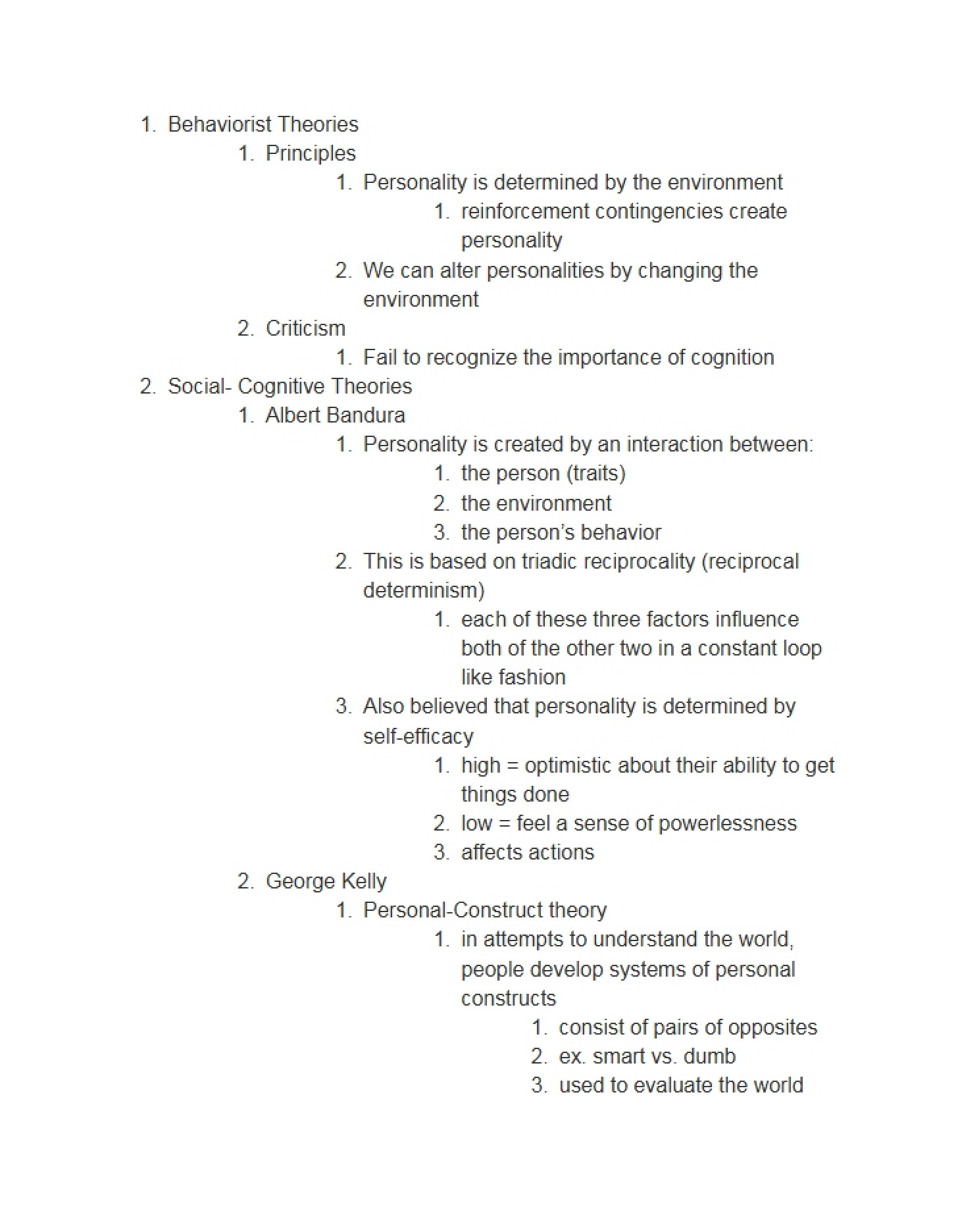
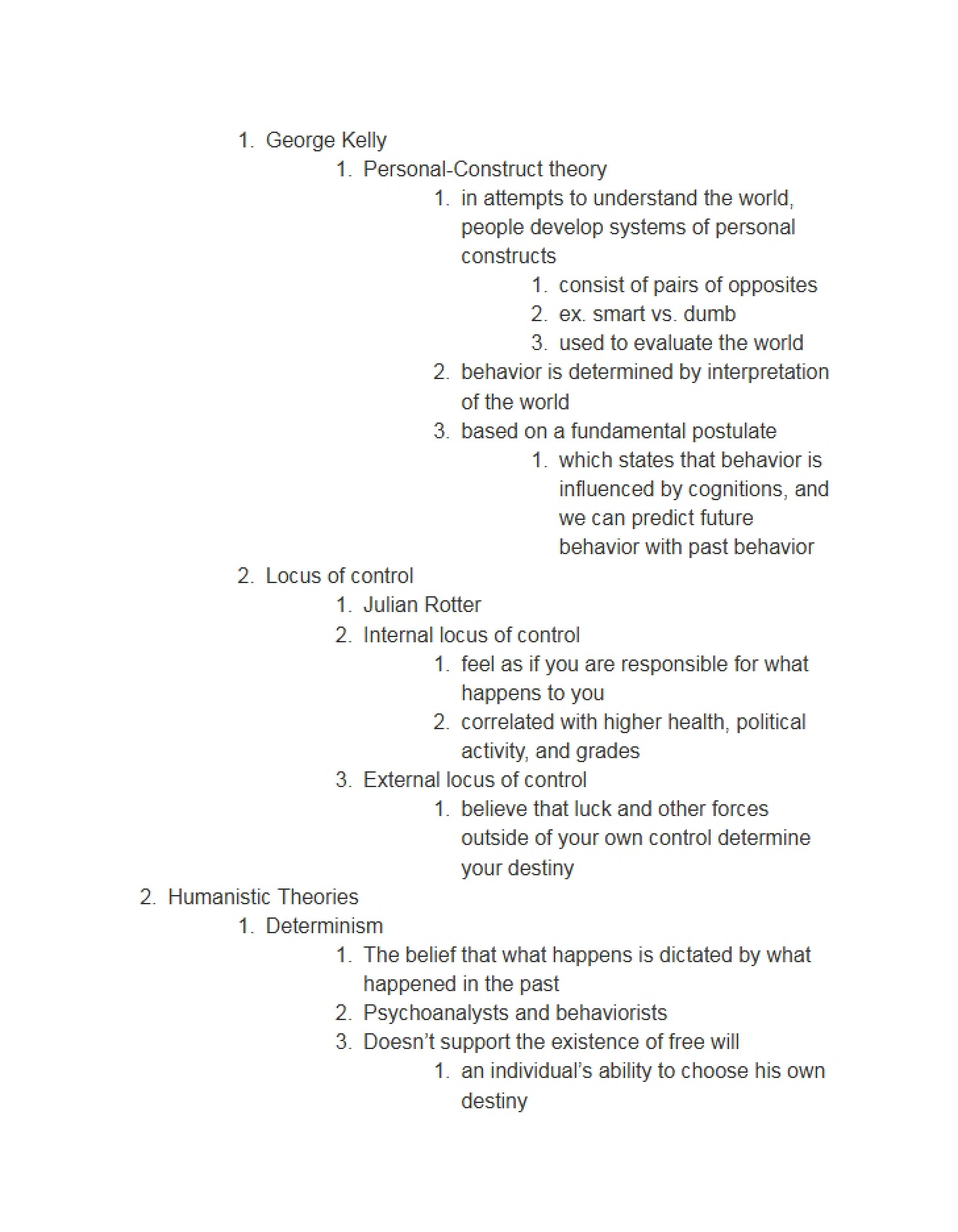
This comprehensive study guide delves into the fascinating world of personality psychology, specifically within the context of an introductory psychology course (PSYC 100) at the University of Illinois at Urbana-Champaign. It offers a structured overview of major theoretical perspectives used to understand the complexities of human personality, moving beyond simple descriptions to explore the underlying mechanisms proposed by different schools of thought. The guide examines both historically significant and contemporary approaches to personality.
Why This Document Matters
This resource is ideal for students seeking a deeper understanding of the core concepts presented in an introductory psychology course. It’s particularly helpful when preparing for exams, completing assignments, or simply wanting to solidify your grasp of the material. Students who find themselves needing a consolidated and organized resource to navigate the diverse landscape of personality theories will find this guide invaluable. It’s best used *alongside* your course lectures and textbook, serving as a focused companion to your studies.
Common Limitations or Challenges
This guide is designed to *supplement* – not replace – your core course materials. It does not contain the full breadth of the course content, nor does it offer original research findings. It focuses on outlining and contextualizing established theories. It won’t provide step-by-step instructions for applying these theories, nor will it offer definitive answers to complex debates within the field. Access to the full guide is required to unlock the detailed explanations and nuanced perspectives contained within.
What This Document Provides
* An overview of criticisms leveled against foundational psychoanalytic theories.
* Exploration of the lasting cultural impact of Freudian concepts.
* A comparative analysis of various psychodynamic approaches, including Neo-Freudian perspectives.
* Detailed examination of trait theories and the methodologies used to identify personality traits.
* Discussion of idiographic approaches to personality assessment.
* An introduction to the biological underpinnings of personality, including concepts of heritability and temperament.
* Historical context regarding early biological theories of personality.