What This Document Is
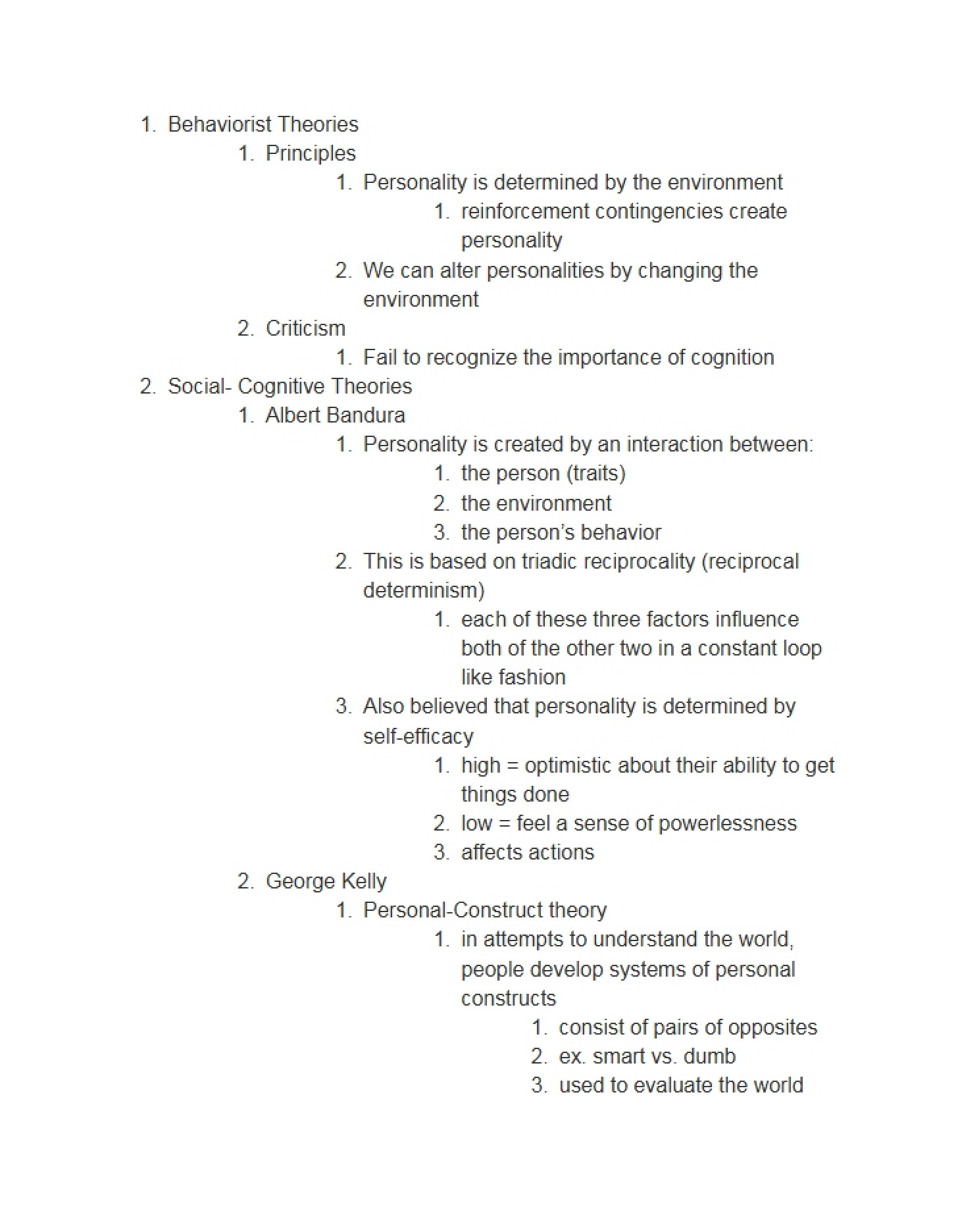
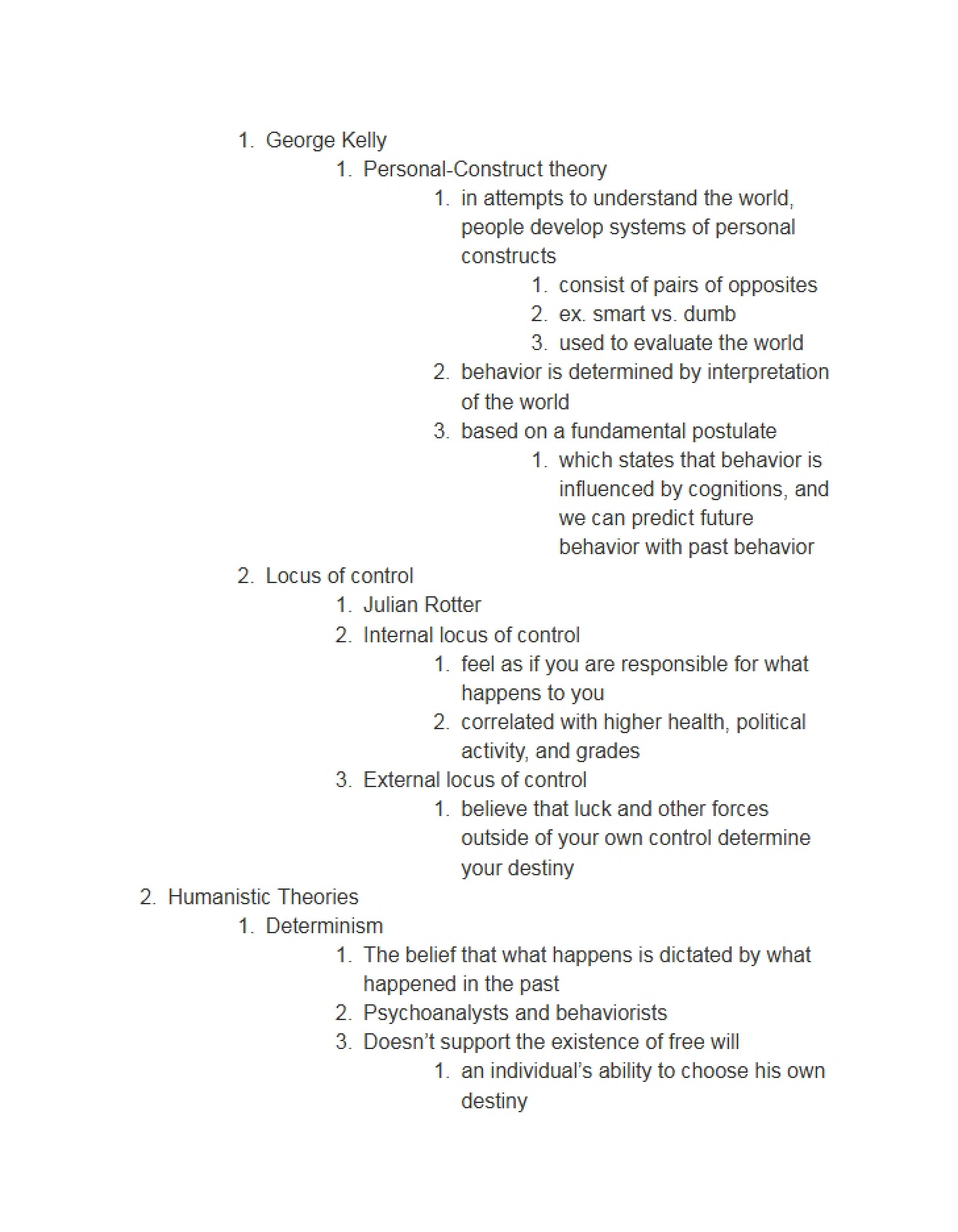
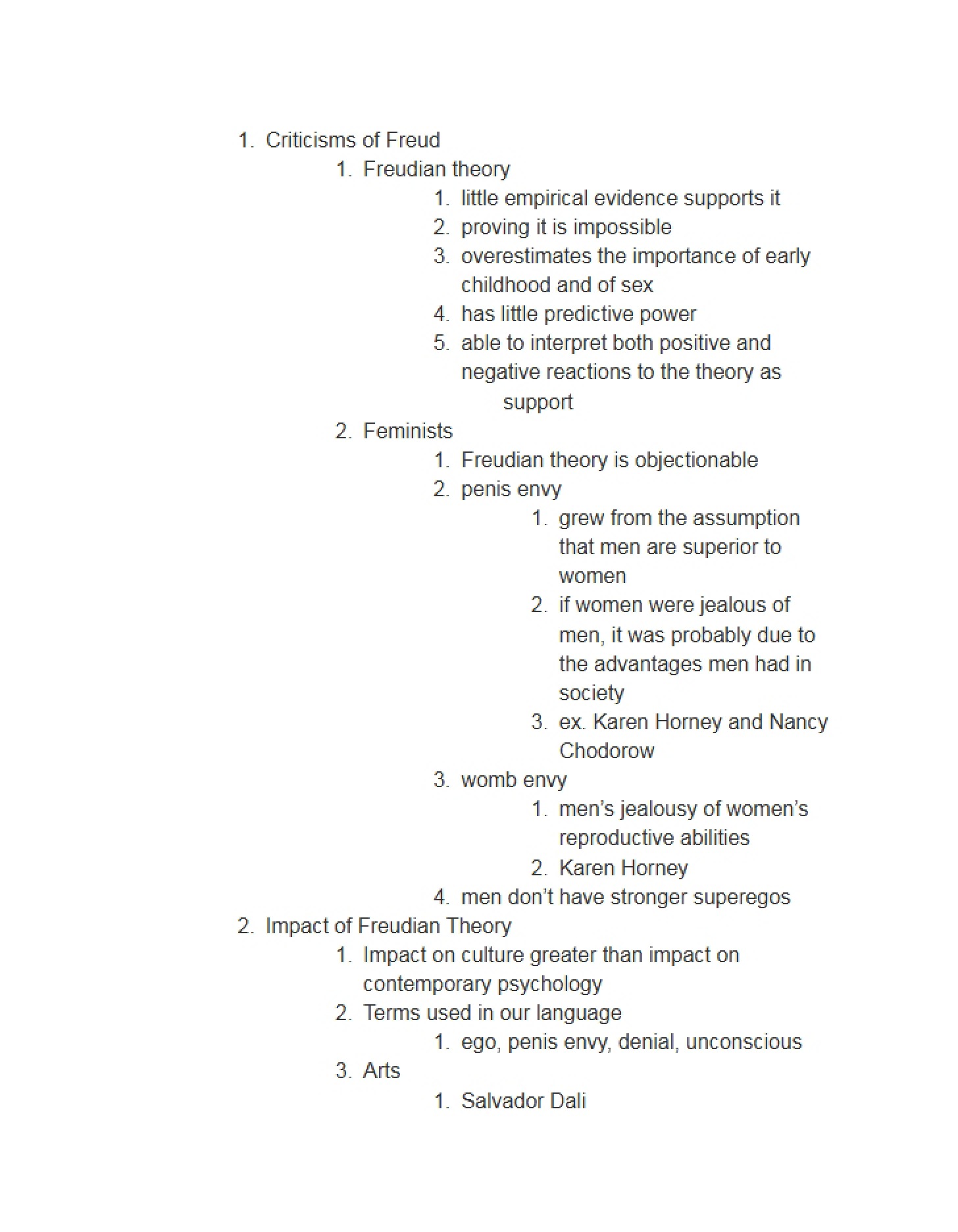
This study guide provides a comprehensive overview of the foundational concepts within the field of personality psychology. Designed for students in an introductory psychology course, it delves into the core theories and approaches used to understand the complexities of human personality. It explores various perspectives, from historical typologies to modern trait-based models, offering a structured exploration of the factors that contribute to individual differences.
Why This Document Matters
This resource is ideal for undergraduate psychology students seeking to solidify their understanding of personality theories. It’s particularly helpful when preparing for exams, completing assignments, or simply wanting a deeper grasp of the subject matter. Students who find themselves grappling with the diverse range of perspectives in personality psychology will benefit from this organized and focused guide. It’s best used *alongside* course lectures and assigned readings to enhance comprehension and retention.
Common Limitations or Challenges
This guide serves as an introductory exploration and does not provide in-depth research findings or clinical applications of personality assessment. It focuses on presenting the core tenets of each theory, but does not offer detailed case studies or critiques of the methodologies used to develop them. It’s important to remember that personality is a complex field, and this guide provides a foundational understanding, not an exhaustive treatment of the topic. It does not include practice questions or assessments.
What This Document Provides
* An overview of major theoretical approaches to understanding personality, including type, trait, psychodynamic, humanistic, and social learning theories.
* A historical exploration of early personality typologies, such as the Four Temperaments.
* Discussion of the characteristics associated with different personality types (e.g., Type A and Type B).
* An examination of the concept of traits and their role in shaping behavior.
* A breakdown of different levels of traits, including cardinal, central, and secondary traits.
* Insights into how individual differences manifest and influence responses to stimuli.