What This Document Is
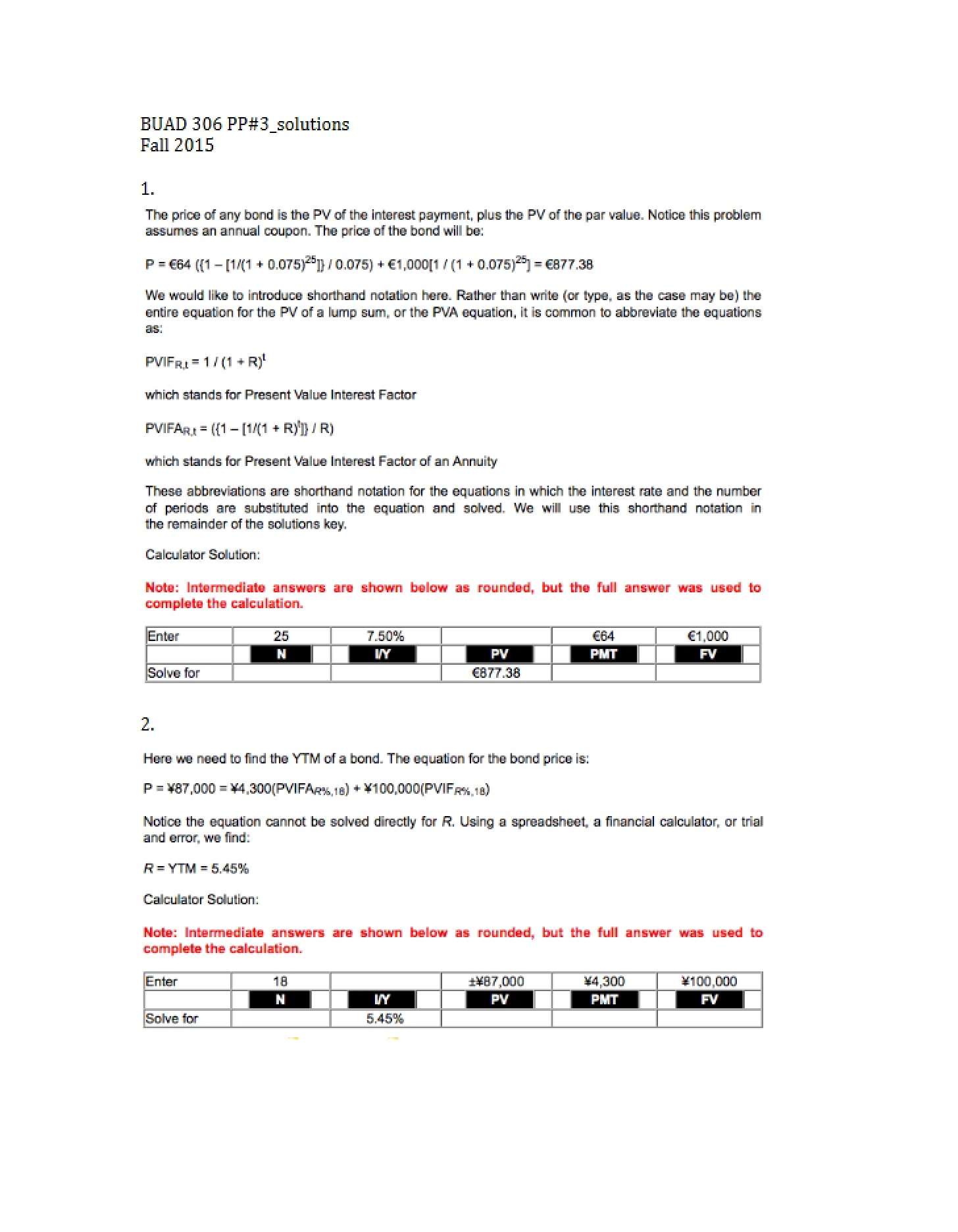
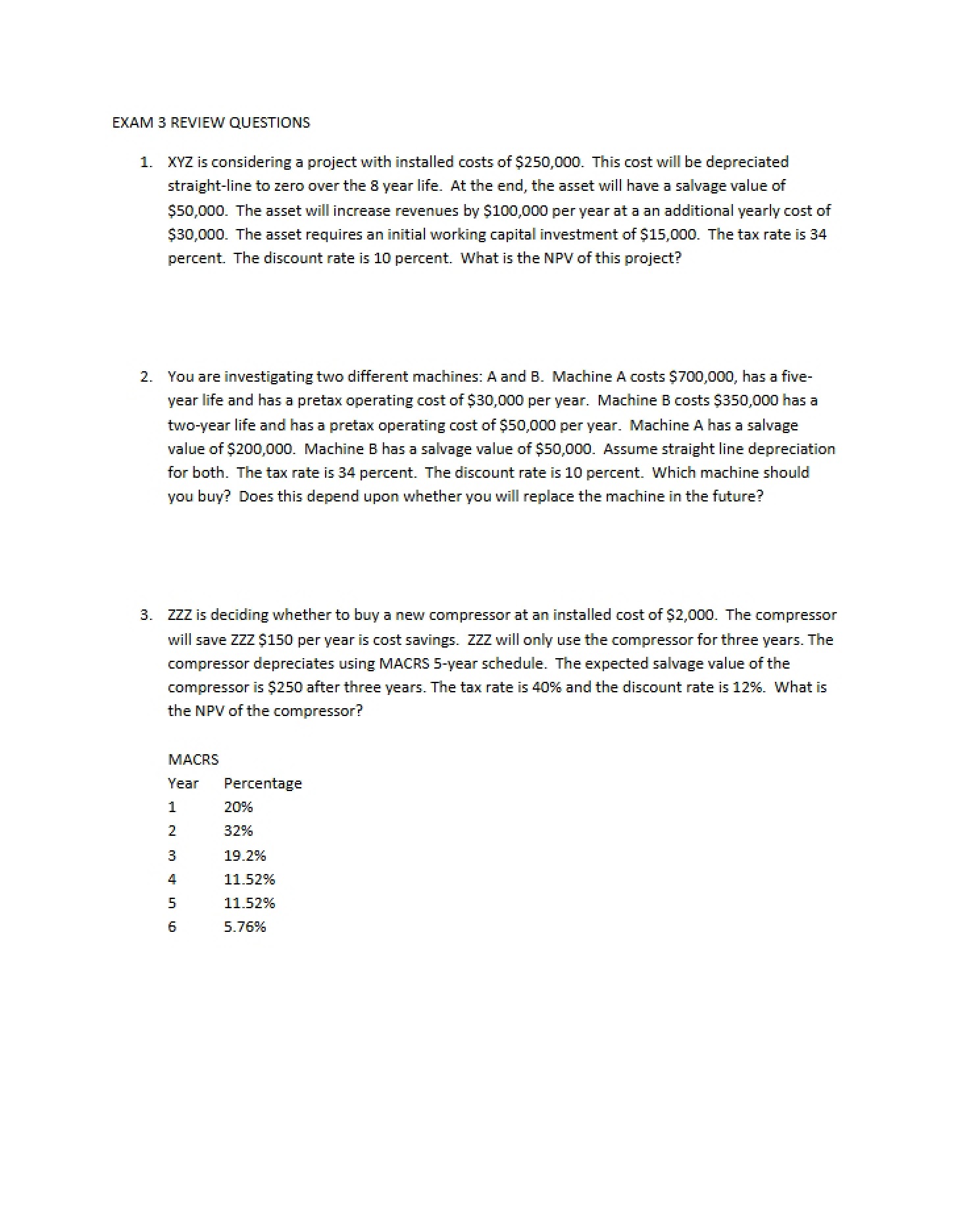
This is a practice problem set for BUAD 306, Business Finance, at the University of Southern California, specifically Homework Five from Fall 2015. It’s designed to test your understanding of core financial principles related to capital budgeting, depreciation, and cost analysis. The assignment focuses on applying theoretical knowledge to practical scenarios businesses face when making investment decisions. Expect questions that require calculations and conceptual explanations.
Why This Document Matters
This assignment is crucial for students enrolled in Business Finance courses. Successfully completing similar problem sets will reinforce your ability to analyze investment opportunities, understand the impact of taxes, and evaluate project profitability. It’s particularly helpful for students preparing for exams or seeking to solidify their grasp of key concepts covered in lectures and readings. Working through these types of problems builds a strong foundation for more advanced finance topics and real-world financial modeling. It’s best utilized *after* you’ve reviewed the relevant course materials and are looking for a way to actively test your comprehension.
Common Limitations or Challenges
This document presents a set of problems – it does *not* include detailed explanations of the underlying financial concepts. It assumes you have a foundational understanding of topics like Net Present Value (NPV), depreciation methods, opportunity costs, and cash flow analysis. Furthermore, it does not offer step-by-step solutions; it’s designed to be a self-assessment tool where you apply your knowledge independently. Access to the full solution set is required to verify your work and identify areas for improvement.
What This Document Provides
* A series of quantitative problems relating to capital budgeting decisions.
* Scenarios involving asset depreciation using the Modified Accelerated Cost Recovery System (MACRS).
* Problems requiring the calculation of after-tax cash flows.
* Exercises focused on identifying and incorporating opportunity costs into financial analyses.
* A real-world comparison of investment options, requiring cost-benefit analysis.
* Problems that require applying discount rates to determine project viability.