What This Document Is
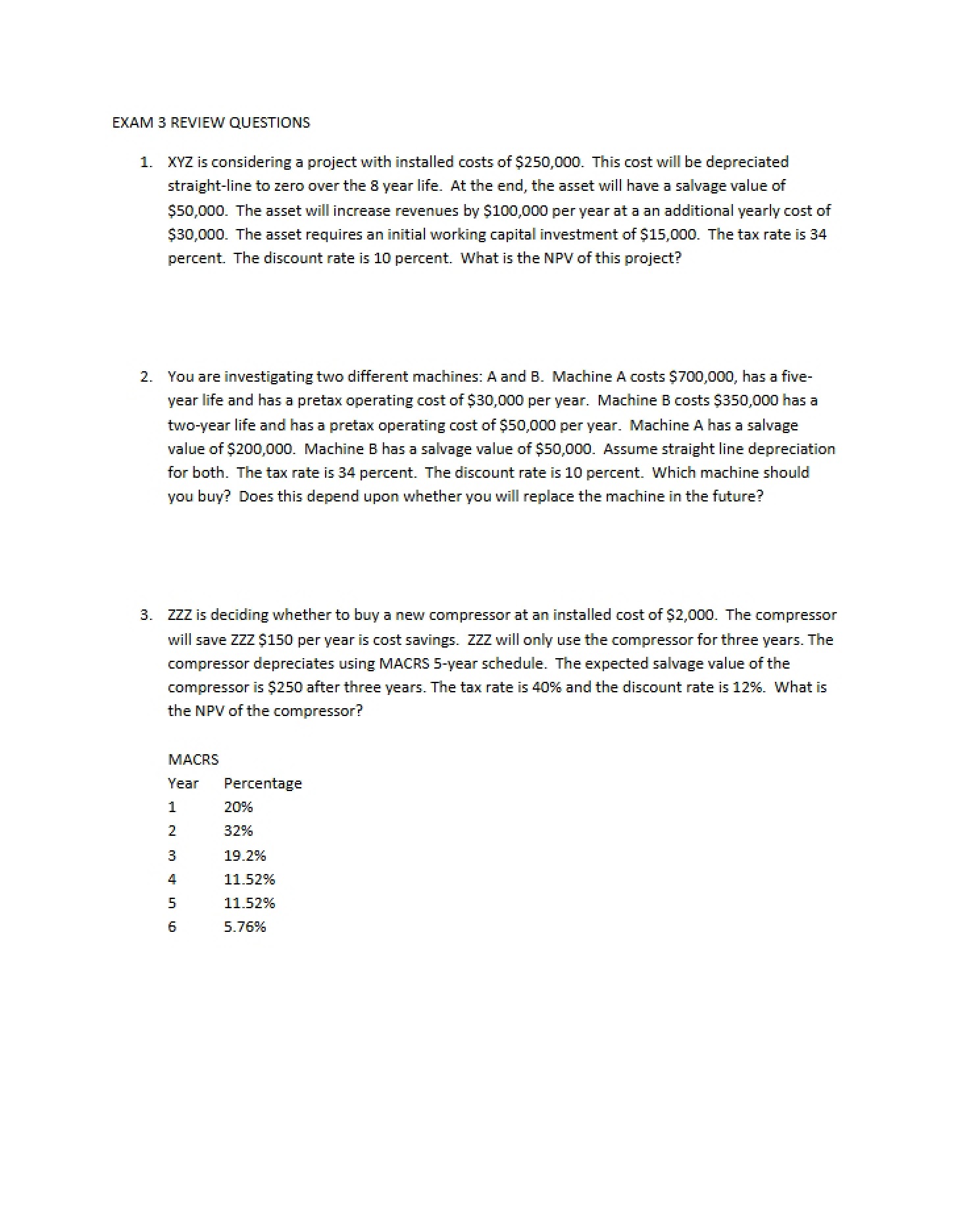
This is a detailed solutions set for a practice problem set in Business Finance (BUAD 306) at the University of Southern California. It focuses on core concepts related to fixed income securities – specifically, bond valuation and interest rate risk. The material builds upon foundational principles taught in the course and applies them to practical, quantitative problems. It’s designed to reinforce understanding through worked examples, though the specific calculations are contained within the full resource.
Why This Document Matters
This resource is invaluable for students enrolled in BUAD 306 seeking to master bond pricing and the impact of yield curve shifts. It’s particularly helpful when reviewing challenging homework assignments or preparing for quizzes and exams. Students who struggle with present value calculations, yield-to-maturity determinations, or understanding bond sensitivities will find this a useful companion to their coursework. Utilizing this guide alongside your notes and textbook will help solidify your grasp of these critical finance concepts.
Common Limitations or Challenges
This solutions set does *not* provide a substitute for attending lectures, completing the original problem set independently, or understanding the underlying theory. It assumes a base level of knowledge regarding financial formulas and concepts. The resource focuses solely on the problems presented in Practice Problem Set Three and does not cover broader topics within Business Finance. It also doesn’t offer conceptual explanations *before* presenting the solutions; it’s best used *after* attempting the problems yourself.
What This Document Provides
* Detailed breakdowns of problem-solving approaches related to bond valuation.
* Illustrative examples demonstrating the application of present value techniques.
* Guidance on calculating yield-to-maturity (YTM) for various bond scenarios.
* Discussions on the relationship between coupon rates, bond prices, and interest rate changes.
* Explanations of shorthand notation commonly used in bond calculations.
* Insights into the impact of changing market conditions on bond values.