What This Document Is
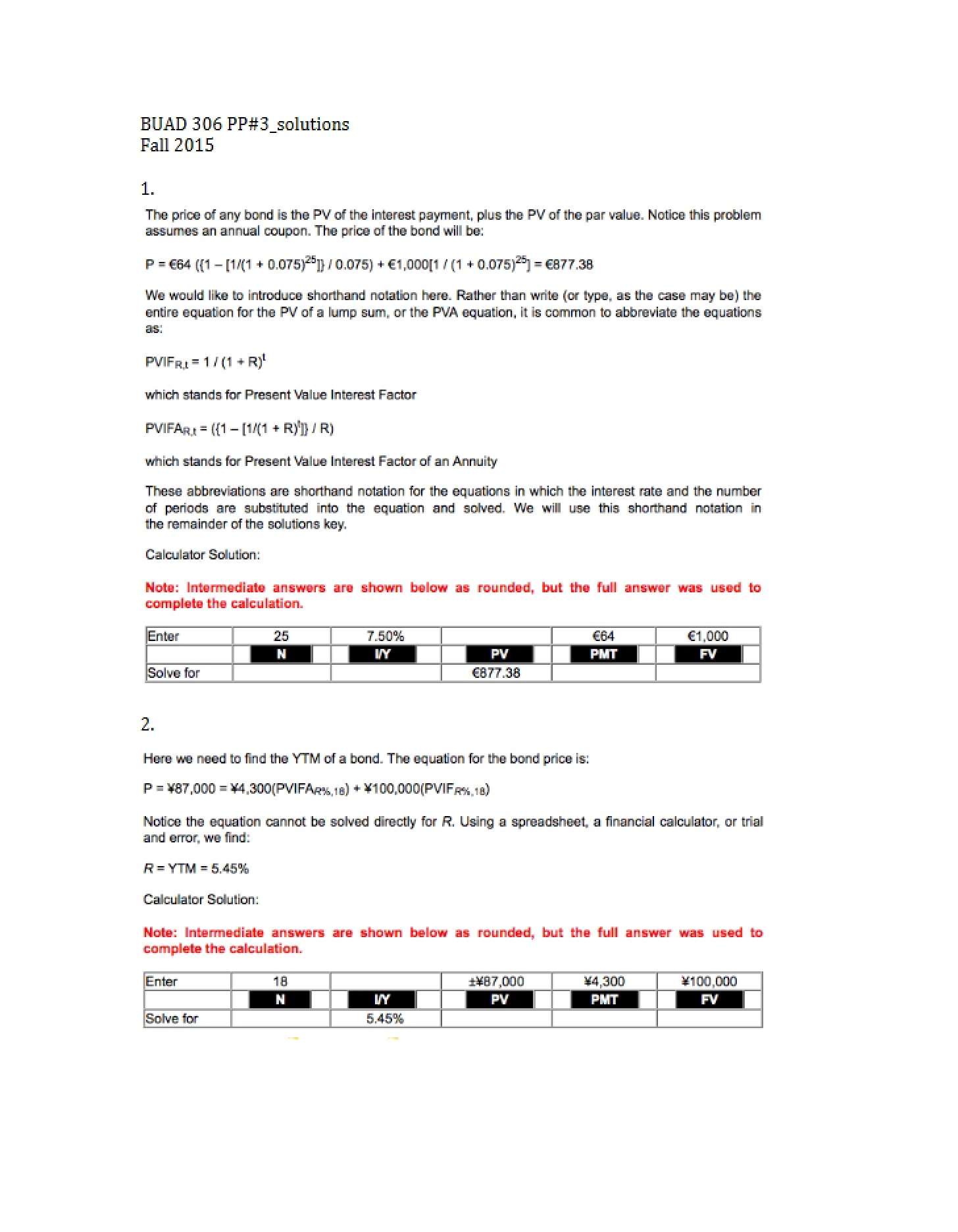
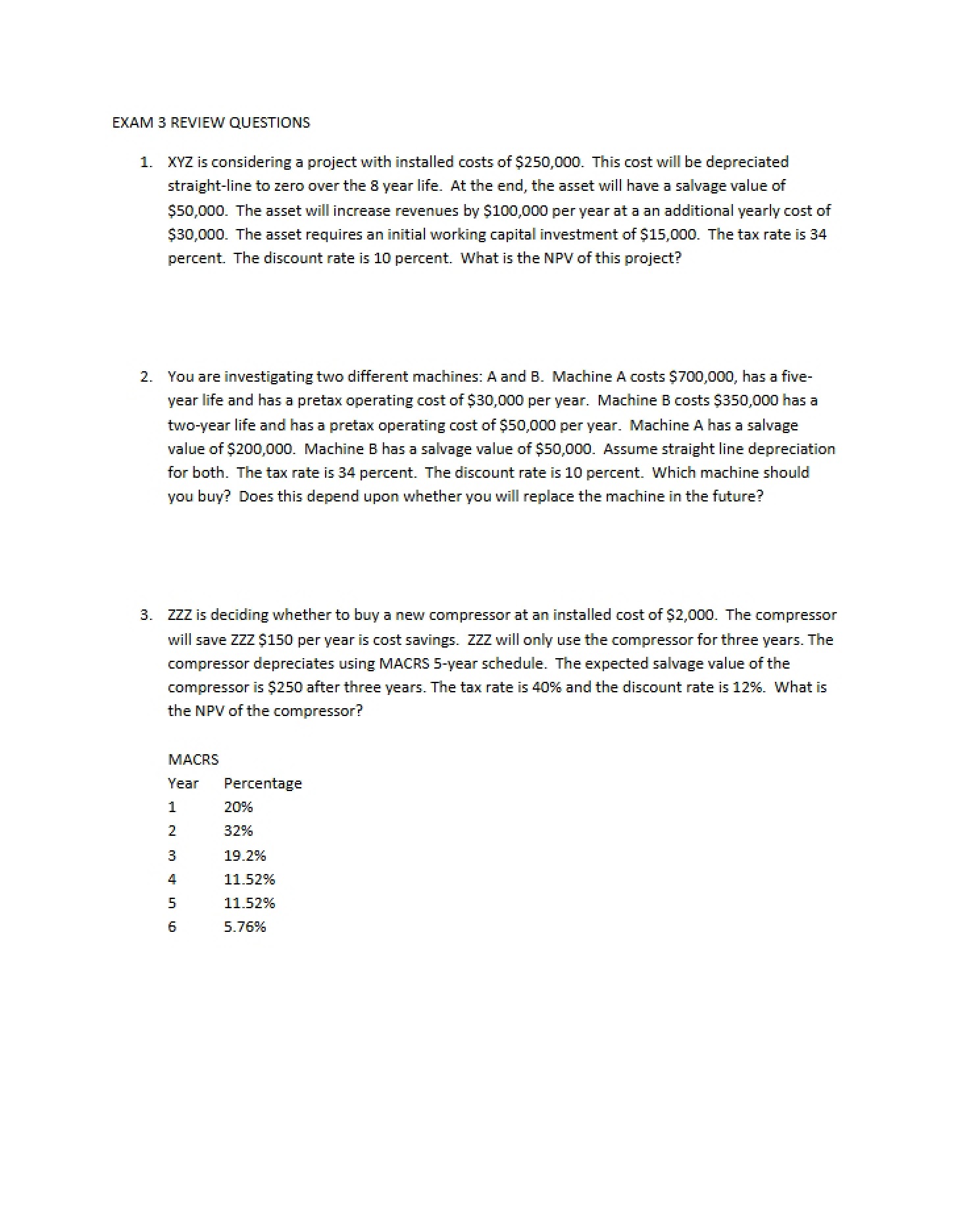
This document contains detailed worked solutions for Practice Problem Set Two from BUAD 306: Business Finance at the University of Southern California. It’s designed as a companion resource to reinforce your understanding of core financial concepts through application. The problems covered focus on time value of money calculations and related financial principles. This resource breaks down complex problems into manageable steps, offering a clear pathway to understanding the underlying logic.
Why This Document Matters
This solutions set is invaluable for students actively working through Practice Problem Set Two. It’s particularly helpful if you’re struggling to arrive at the correct answers, or if you want to verify your approach and identify areas where your understanding might be incomplete. It’s best used *after* you’ve made a genuine attempt to solve the problems independently – using the solutions as a learning tool rather than a shortcut. Students preparing for quizzes or exams covering these topics will also find this resource beneficial for solidifying their skills.
Common Limitations or Challenges
This resource focuses *solely* on the solutions to the specified practice problems. It does not include explanations of the foundational concepts themselves – you’ll need your course lectures, textbook, and notes for that. It also doesn’t offer alternative solution methods; it presents one approach to each problem. Furthermore, it doesn’t provide new or additional practice problems beyond those already assigned. Access to this resource will not substitute for a strong grasp of the core principles taught in BUAD 306.
What This Document Provides
* Detailed breakdowns of solutions for a variety of time value of money problems.
* Applications of key financial formulas related to future value and present value.
* Illustrations of how to approach problems involving both single sums and annuities.
* Examples demonstrating calculations related to effective annual rates (EAR) and annual percentage rates (APR).
* Problem-solving approaches utilizing financial calculator functions.
* Comparative analysis examples to aid in financial decision-making.