What This Document Is
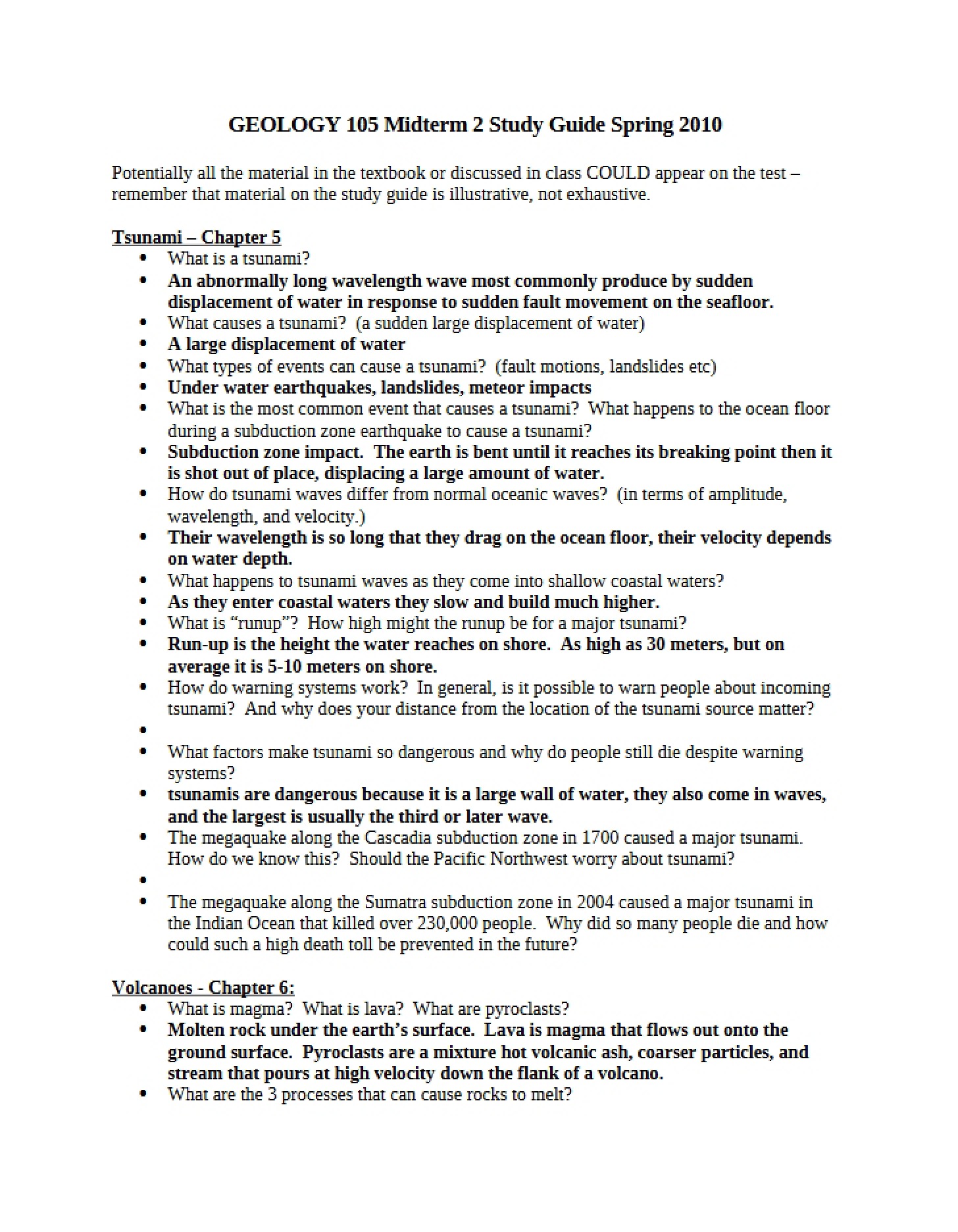
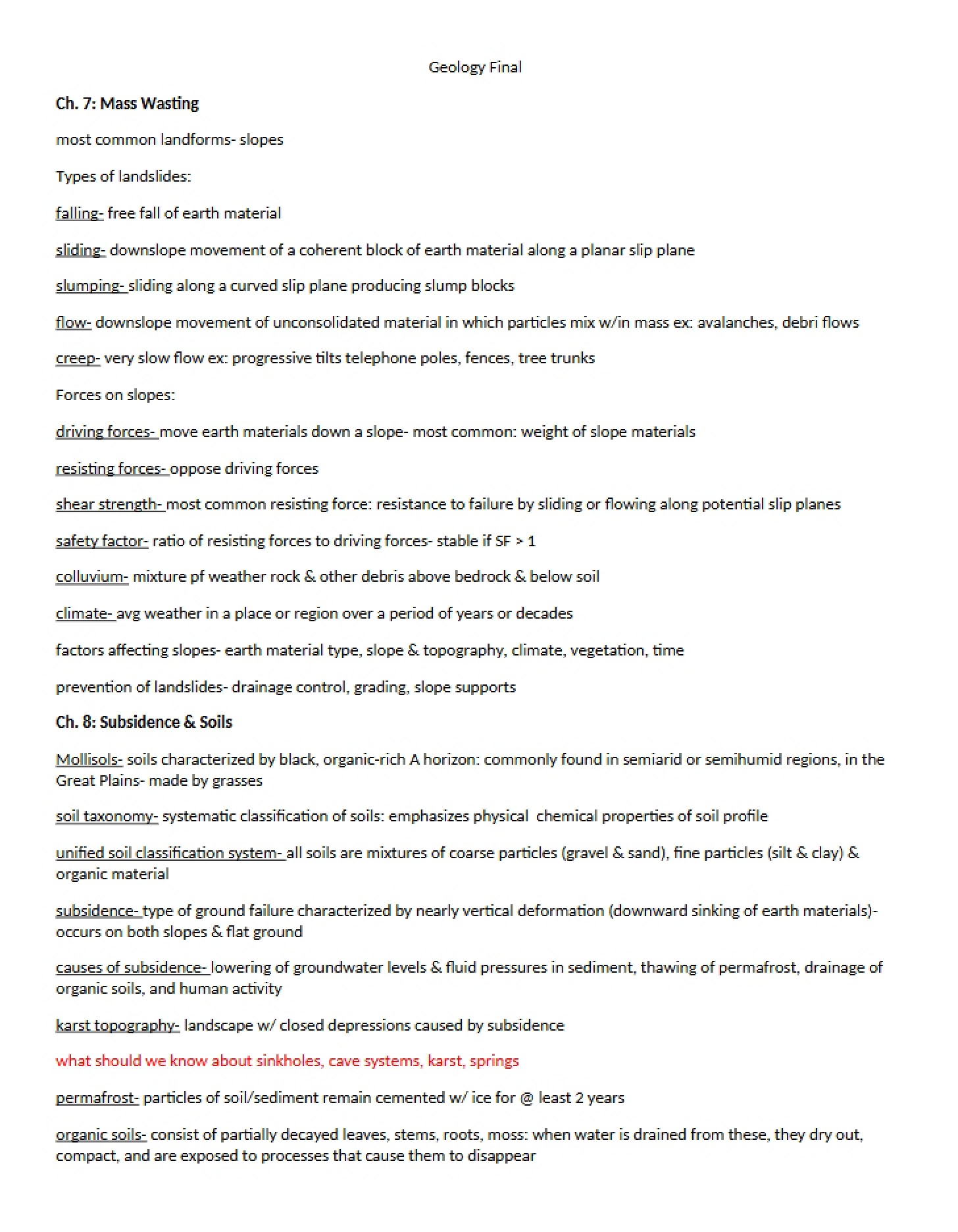
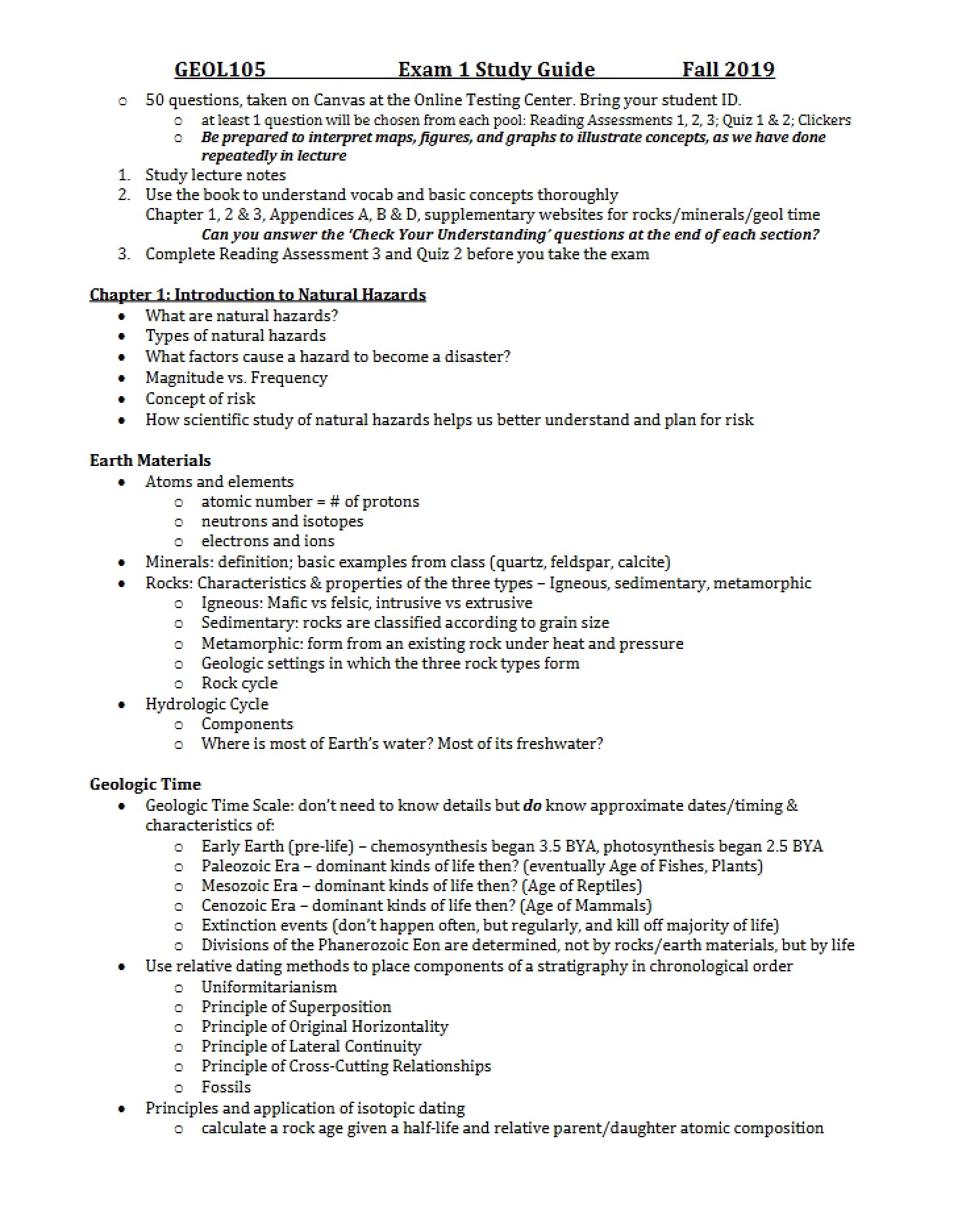
This study guide delves into the critical field of hydrology, specifically as it relates to geological hazards. It explores the processes governing water movement on, above, and below the Earth’s surface, and how these processes interact with the landscape to create and influence hazardous events. This resource is designed for students in GEOL 105 at the University of Delaware, providing a focused examination of the factors controlling water flow and the resulting impacts on human systems. It builds a foundational understanding of how water shapes our environment and contributes to geological risks.
Why This Document Matters
This guide is invaluable for students seeking a deeper understanding of the hydrological components of geological hazards. It’s particularly helpful when studying for assessments, completing assignments requiring detailed knowledge of water systems, or preparing for discussions on the interplay between natural processes and human vulnerability. Anyone needing a concentrated review of hydrological principles within a geological context will find this resource beneficial. It’s best used in conjunction with course lectures and assigned readings to reinforce key concepts.
Topics Covered
* The fundamental principles of the hydrological cycle and its components.
* Stream dynamics, including drainage patterns, sediment transport, and channel morphology.
* Detailed examination of fluvial processes and landform development.
* The science behind flooding events, including measurement and recurrence intervals.
* The impact of human activities on hydrological systems and flood hazards.
* Strategies for mitigating flood risks and managing water resources.
What This Document Provides
* A comprehensive overview of key hydrological terminology and definitions.
* Detailed explanations of concepts related to stream discharge, gradient, and flow patterns.
* An exploration of the factors influencing flood frequency and magnitude.
* Insights into how land use changes and infrastructure projects affect water flow and sediment transport.
* A framework for understanding the complex relationship between hydrological processes and geological hazards.