What This Document Is
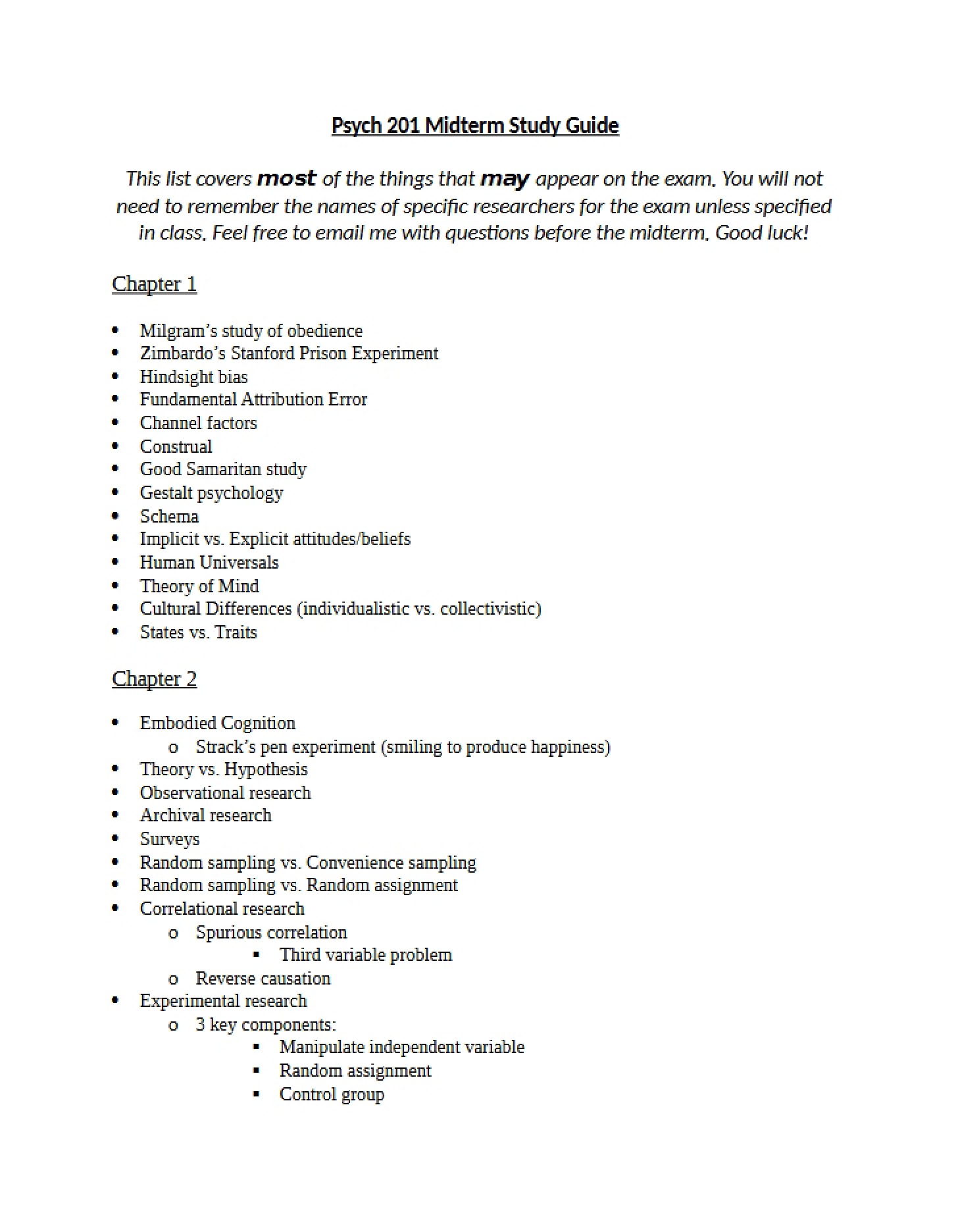
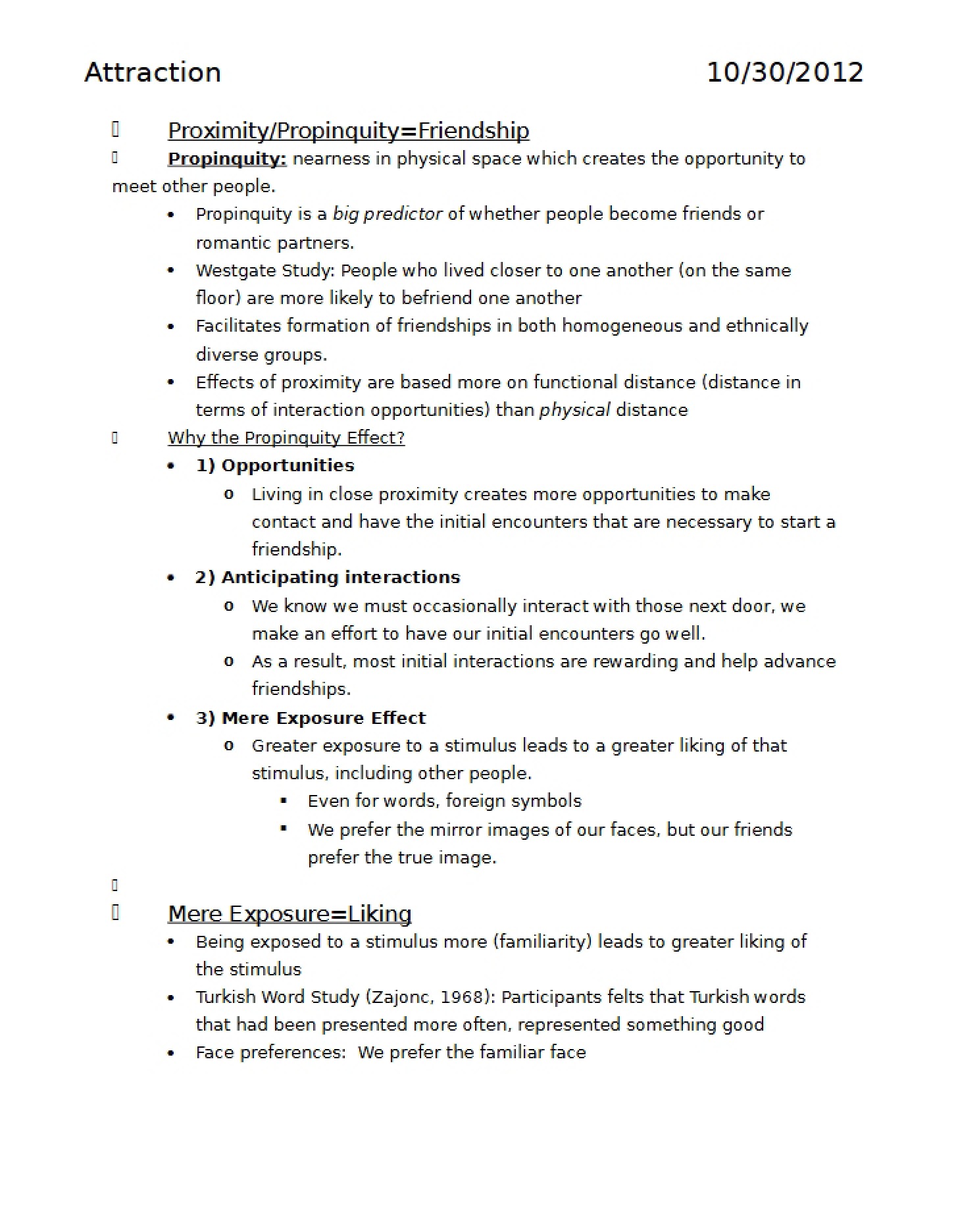
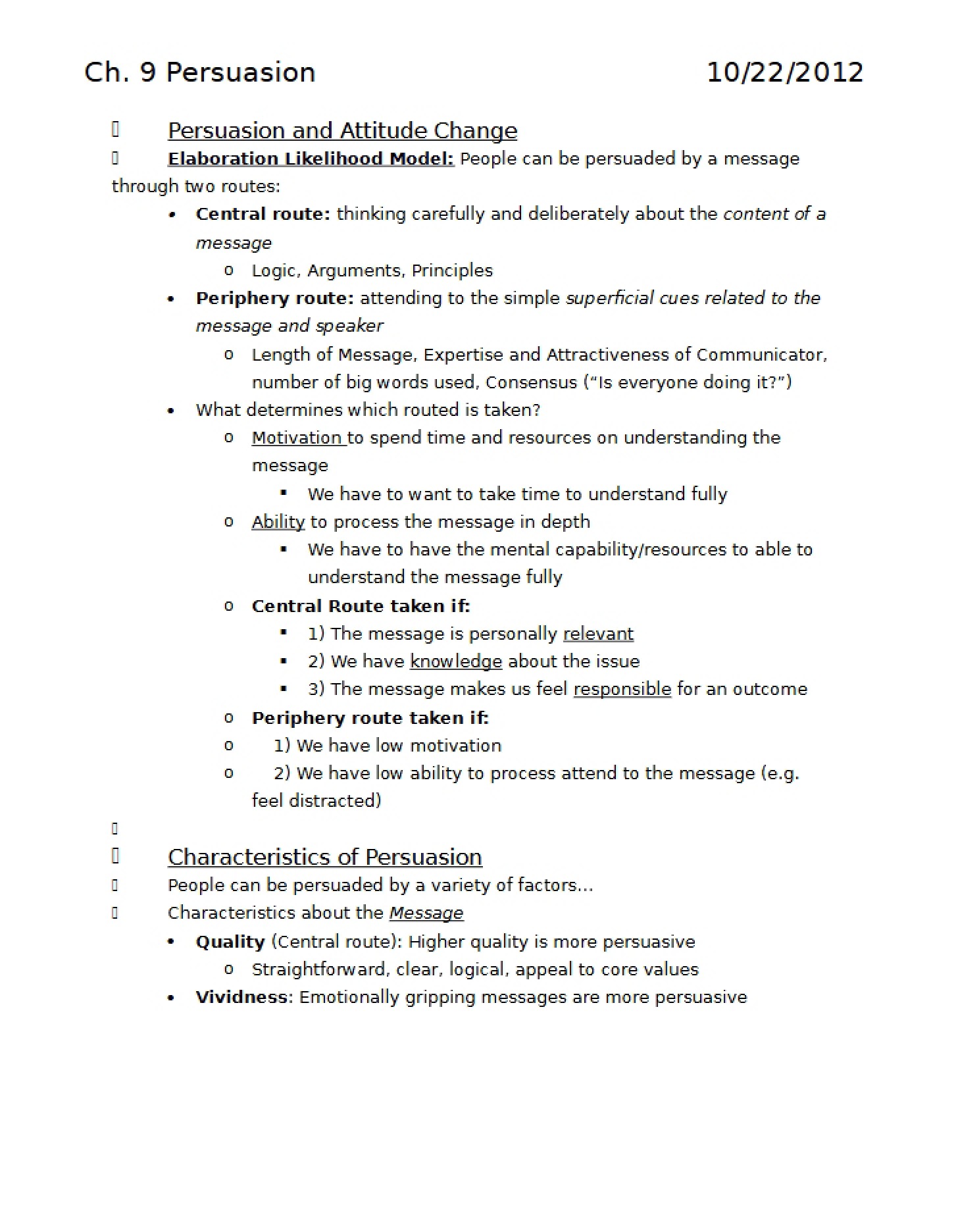
This study guide delves into the fascinating world of social influence, a core topic within the field of psychology. It explores the various ways individuals’ thoughts, feelings, and behaviors are impacted by the presence and actions of others. The material focuses on key concepts and research surrounding obedience, compliance, and conformity – distinct yet interconnected forms of social influence. It’s designed for students seeking a comprehensive understanding of how and why people are swayed by those around them.
Why This Document Matters
This resource is ideal for students in PSYC 201 at the University of Illinois at Urbana-Champaign, or anyone studying introductory psychology. It’s particularly helpful when preparing for exams, completing assignments, or seeking to deepen your understanding of social psychology principles. Understanding social influence is crucial for analyzing real-world phenomena, from marketing strategies to political campaigns, and even everyday interactions. If you’re grappling with the complexities of group dynamics and individual behavior, this guide offers a solid foundation.
Common Limitations or Challenges
While this guide provides a robust overview of social influence, it does not offer complete coverage of every nuance within the field. It doesn’t include practice questions or direct application exercises. Furthermore, it focuses primarily on foundational theories and classic studies; emerging research and contemporary applications are not extensively covered. Access to the full material is required for a complete and in-depth exploration of the subject.
What This Document Provides
* A clear distinction between obedience, compliance, and conformity.
* An examination of the underlying processes driving conformity – informational and normative influences.
* Discussion of factors that can strengthen or weaken conformity.
* Insights into the automatic and unconscious aspects of social influence, such as mimicry.
* An overview of influential research exploring obedience to authority.
* Consideration of variables impacting obedience levels.