What This Document Is
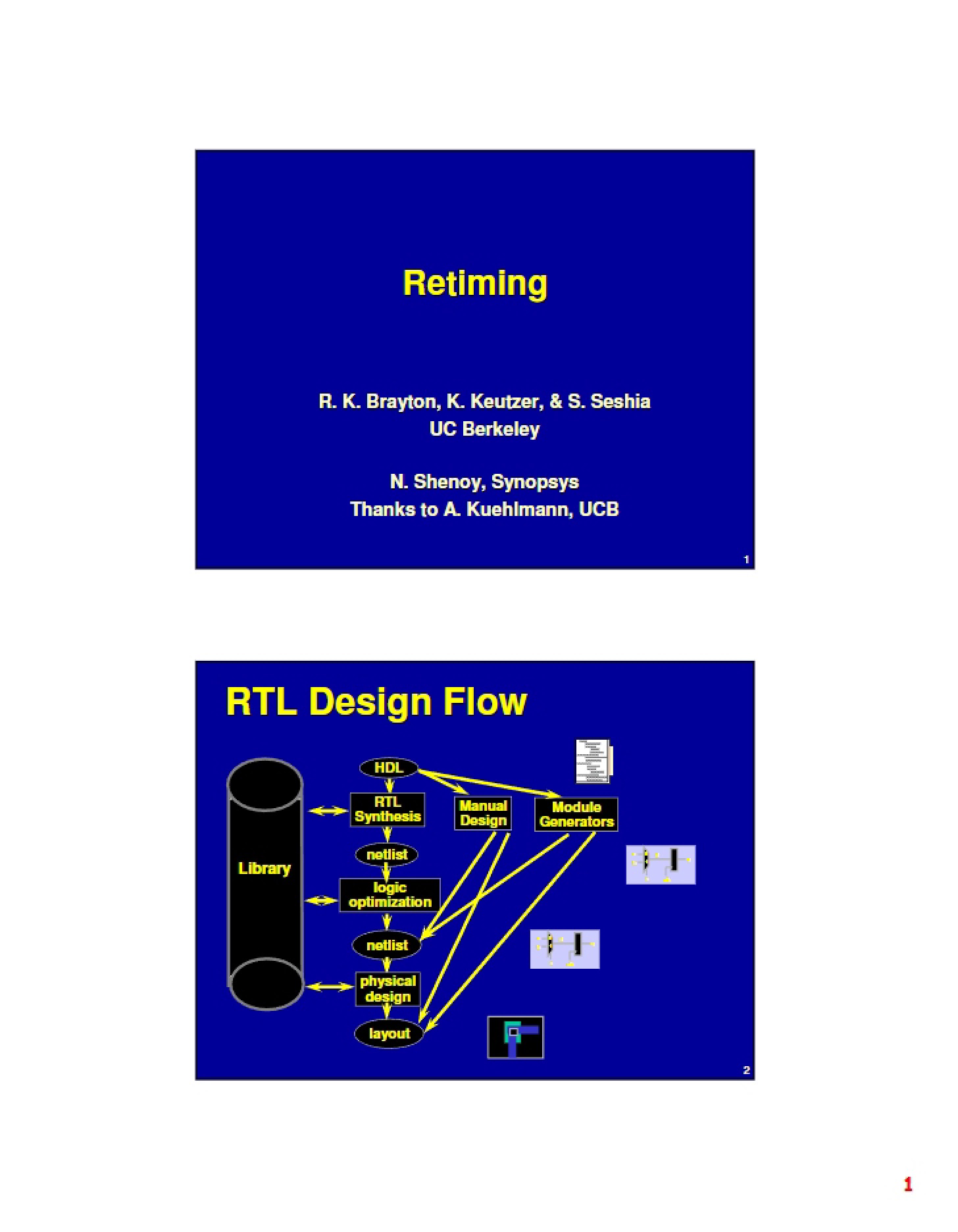
This document presents a focused exploration of integrated circuit (IC) routing, a critical stage in the physical design of microchips. It delves into the methodologies and underlying principles required to establish electrical connections between various components on an IC layout. Developed for the Fundamental Algorithms for Systems Modeling, Analysis course (ELENG 244) at the University of California, Berkeley, this material offers a detailed look at the complexities involved in transforming a logical design into a physical realization. It builds upon foundational concepts in RTL design and physical design flow.
Why This Document Matters
This resource is invaluable for students and professionals in electrical engineering and computer science seeking a comprehensive understanding of IC routing techniques. It’s particularly beneficial for those involved in VLSI design, chip fabrication, or related fields. Whether you’re tackling coursework, preparing for advanced studies, or working on practical design projects, this material will provide a strong theoretical base. Understanding routing is essential for optimizing chip performance, minimizing signal delays, and ensuring reliable operation.
Topics Covered
* Fundamental routing rules and constraints in IC design
* Distinction between global and detailed routing approaches
* Taxonomy of various VLSI routing algorithms
* Graph-based modeling techniques for representing routing problems
* Considerations for power and ground routing networks
* Channel capacity and its impact on routing strategies
* The role of grid-based versus gridless routing methodologies
* Optimization objectives in global routing (wire length, congestion, timing)
What This Document Provides
* A structured overview of the IC routing process within the broader physical design flow.
* An examination of different routing scenarios, including routing over cells and within channels.
* A classification of routing algorithms, including graph search and iterative methods.
* A framework for formulating global routing problems and defining optimization criteria.
* Illustrative representations of graph models used to represent routing regions and their interconnections.
* Discussions on the trade-offs between different routing approaches and their suitability for various design contexts.