What This Document Is
This document serves as an introductory exploration into the field of Motor Development. It’s designed to provide a foundational understanding of how movement changes and evolves throughout the entire lifespan – from infancy through adulthood and beyond. It delves into the core principles that govern these changes, examining both the *what* and *why* behind motor behaviors. This isn’t simply a description of movements; it’s an investigation into the underlying processes that drive them.
Why This Document Matters
This resource is particularly valuable for students in Kinesiology, Physical Therapy, Education, and related disciplines. It’s ideal for those beginning their study of human movement, seeking to build a strong theoretical base. Professionals working with individuals across the age spectrum – from pediatricians to geriatric specialists – will also find it helpful for understanding typical developmental trajectories and identifying potential areas of concern. It’s a great starting point for understanding how to create developmentally appropriate activities and interventions.
Common Limitations or Challenges
This document focuses on establishing core concepts and historical context. It does *not* provide detailed protocols for assessing motor skills, nor does it offer specific intervention strategies for addressing motor deficits. It also doesn’t delve into the neurological underpinnings of motor control at a highly detailed level. Think of this as the “big picture” overview – a necessary first step before diving into more specialized areas.
What This Document Provides
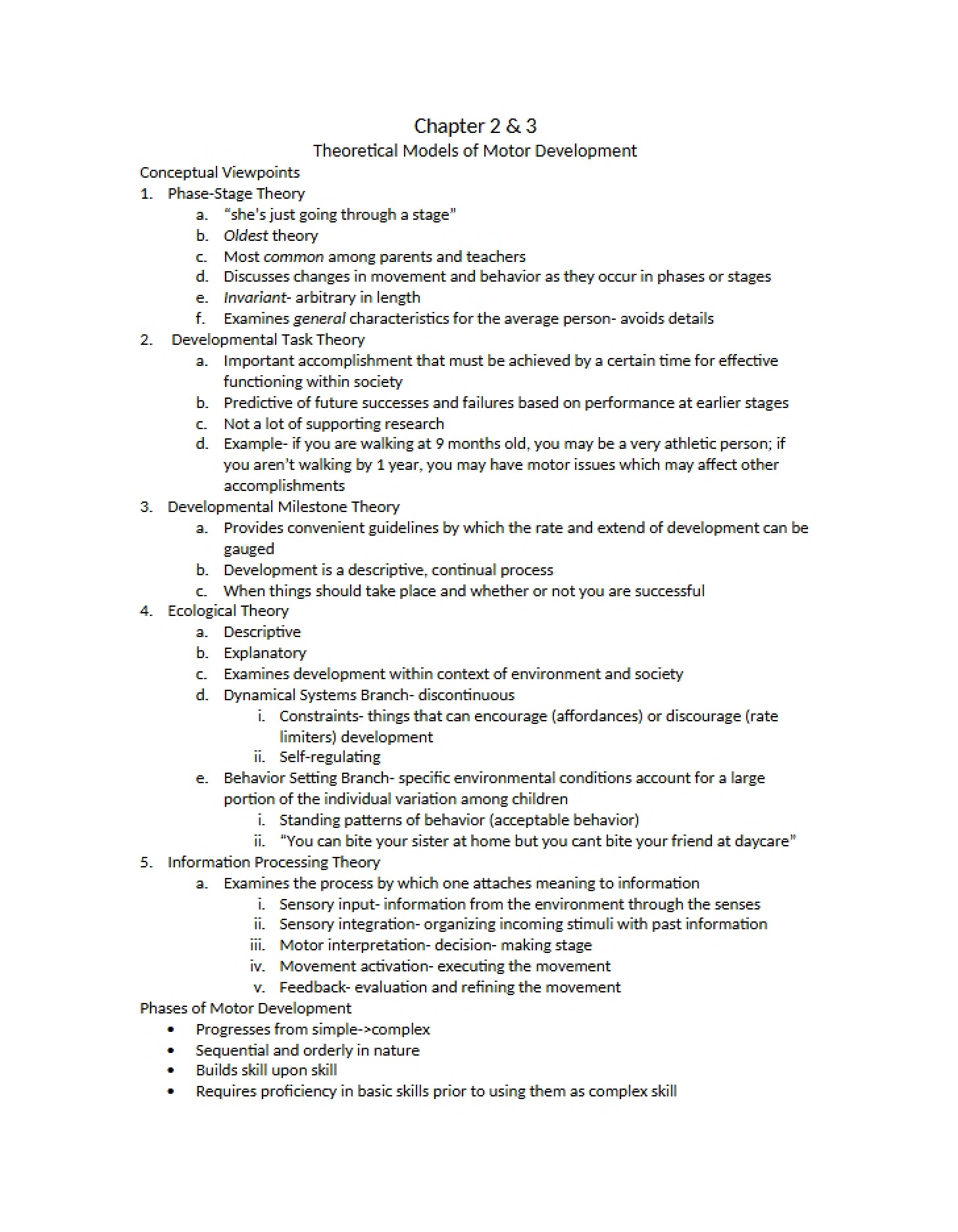
* An overview of the historical evolution of thought within the field of Motor Development, outlining key periods and influential perspectives.
* A discussion of the interconnectedness of motor development with other domains of development (cognitive, affective, and psychomotor).
* An exploration of the factors that influence motor development – considering the interplay between the individual, the environment, and the task itself.
* A comparison of different research designs used to study motor development, including their strengths and weaknesses.
* Definitions and distinctions between key terms like maturation, growth, learning, motor skills, and movement patterns.