What This Document Is
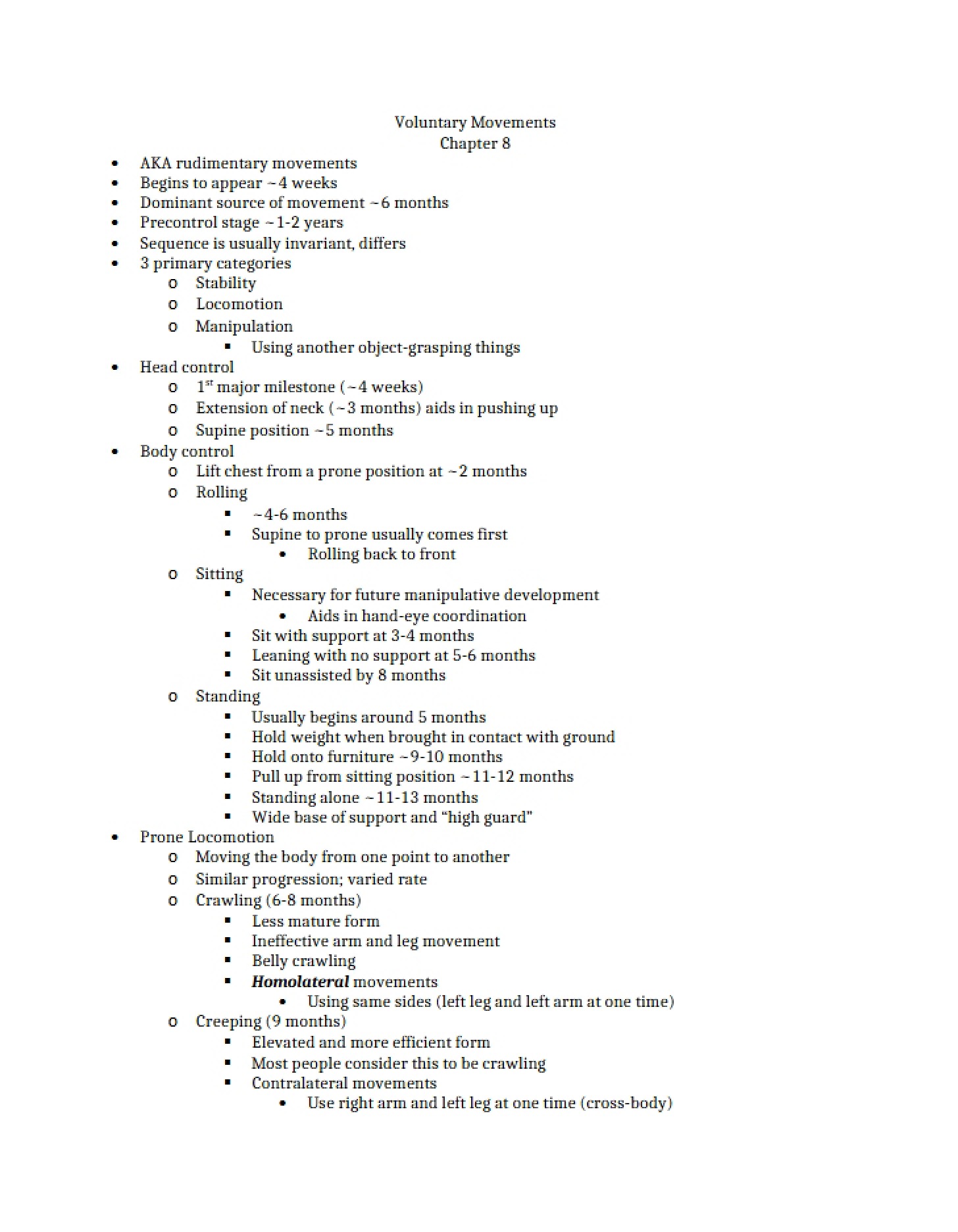
This study guide delves into the fascinating world of newborn motor development, specifically focusing on the emergence and progression of voluntary movements. It’s designed for students in Kinesiology or related fields seeking a detailed understanding of how infants gain control over their bodies. The material explores the sequential nature of motor skill acquisition, from initial reflexive actions to more complex, coordinated movements. It examines the developmental milestones achieved during the first year of life and beyond, providing a foundational understanding of typical motor patterns.
Why This Document Matters
This resource is ideal for students enrolled in courses like Motor Development, Growth & Form, or Infant Development. It’s particularly helpful when preparing for exams, completing assignments, or seeking a deeper comprehension of the underlying principles governing early motor skills. Understanding these foundational movements is crucial for anyone pursuing a career in physical therapy, occupational therapy, athletic training, or pediatric medicine. It provides a framework for identifying potential developmental delays and informs intervention strategies.
Common Limitations or Challenges
This guide focuses on typical motor development and does not cover variations due to specific medical conditions or significant developmental differences. It provides a broad overview of the stages and progressions but doesn’t offer individualized assessment protocols or detailed therapeutic exercises. While it outlines the general timeline for skill acquisition, it’s important to remember that individual rates of development can vary considerably. This resource is a starting point for learning, and further research may be needed for specialized applications.
What This Document Provides
* An overview of the timeline for the development of head and body control.
* Exploration of the progression of prone locomotion skills.
* Insights into the stages of upright locomotion, including walking.
* Examination of the development of manipulative skills, such as reaching and grasping.
* Discussion of the proximodistal development principle as it relates to prehension.
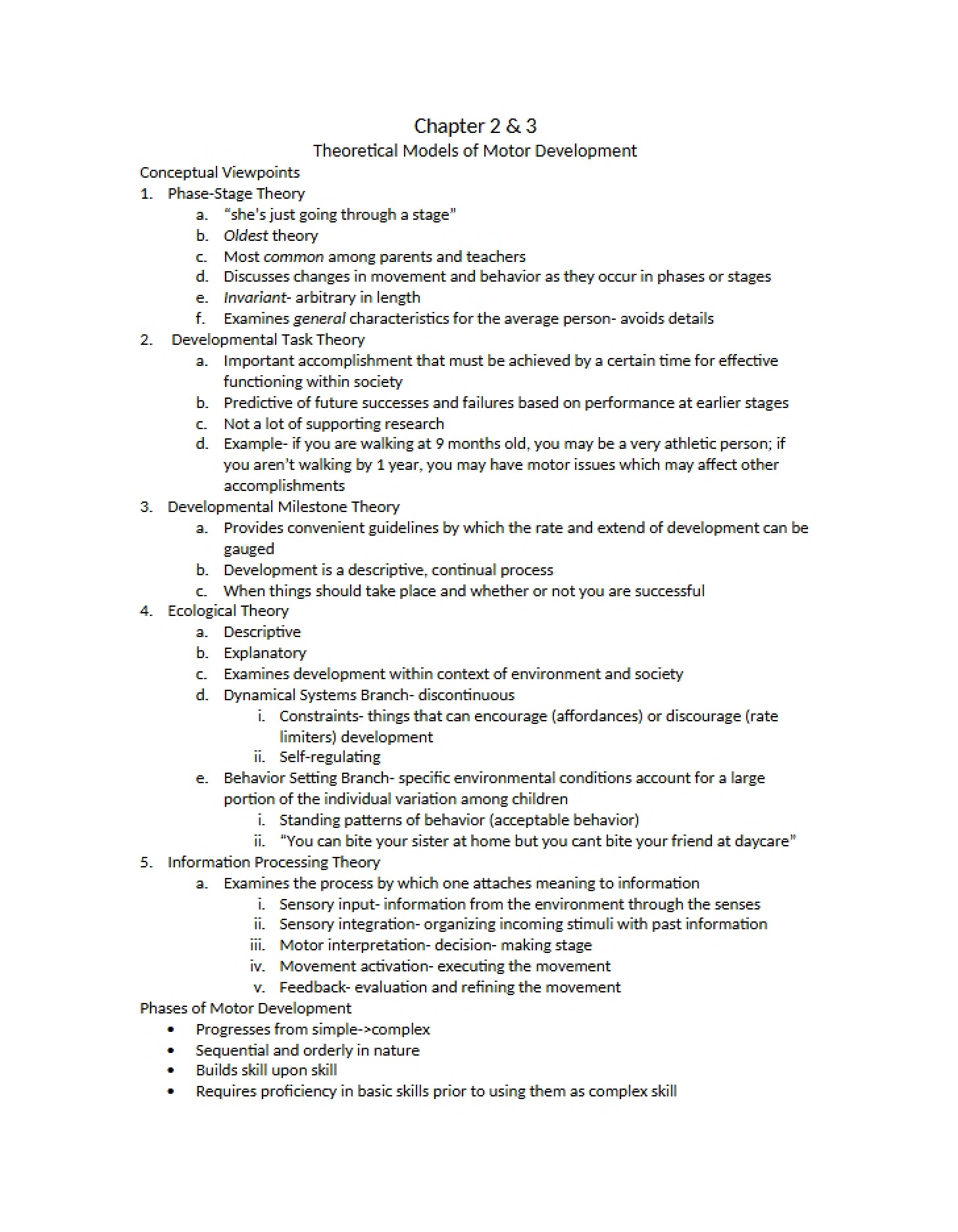
* A framework for understanding the sequence and invariance of motor skill acquisition.