What This Document Is
This document is a keyed practice final examination for ACCT 2610, Principles of Financial Accounting, at Washington University in St. Louis. It’s designed to help students assess their understanding of core accounting principles covered throughout the Fall 2011 semester. The material focuses on applying those principles to practical scenarios and problem-solving, mirroring the format and difficulty level of the actual final exam. It’s a valuable resource for self-evaluation and targeted study.
Why This Document Matters
This practice final is ideal for students preparing for a comprehensive accounting exam. It’s particularly useful for those who want to identify knowledge gaps *before* the official assessment. Working through practice problems, even without the immediate answers, reinforces concepts and builds confidence. Students who utilize this resource can pinpoint areas needing further review, leading to a more focused and effective study plan. It’s best used after completing coursework and reviewing lecture notes, as a culminating step in exam preparation.
Common Limitations or Challenges
This document provides a practice exam *key*, meaning it showcases the expected approach to solving problems. However, it does not offer detailed explanations of *why* certain answers are correct or incorrect. It assumes a foundational understanding of accounting principles. Furthermore, while representative of the course material, this practice exam doesn’t guarantee the exact content or question types on the actual final exam. It’s a tool for practice, not a substitute for thorough learning.
What This Document Provides
* A comprehensive set of practice questions covering key areas of financial accounting.
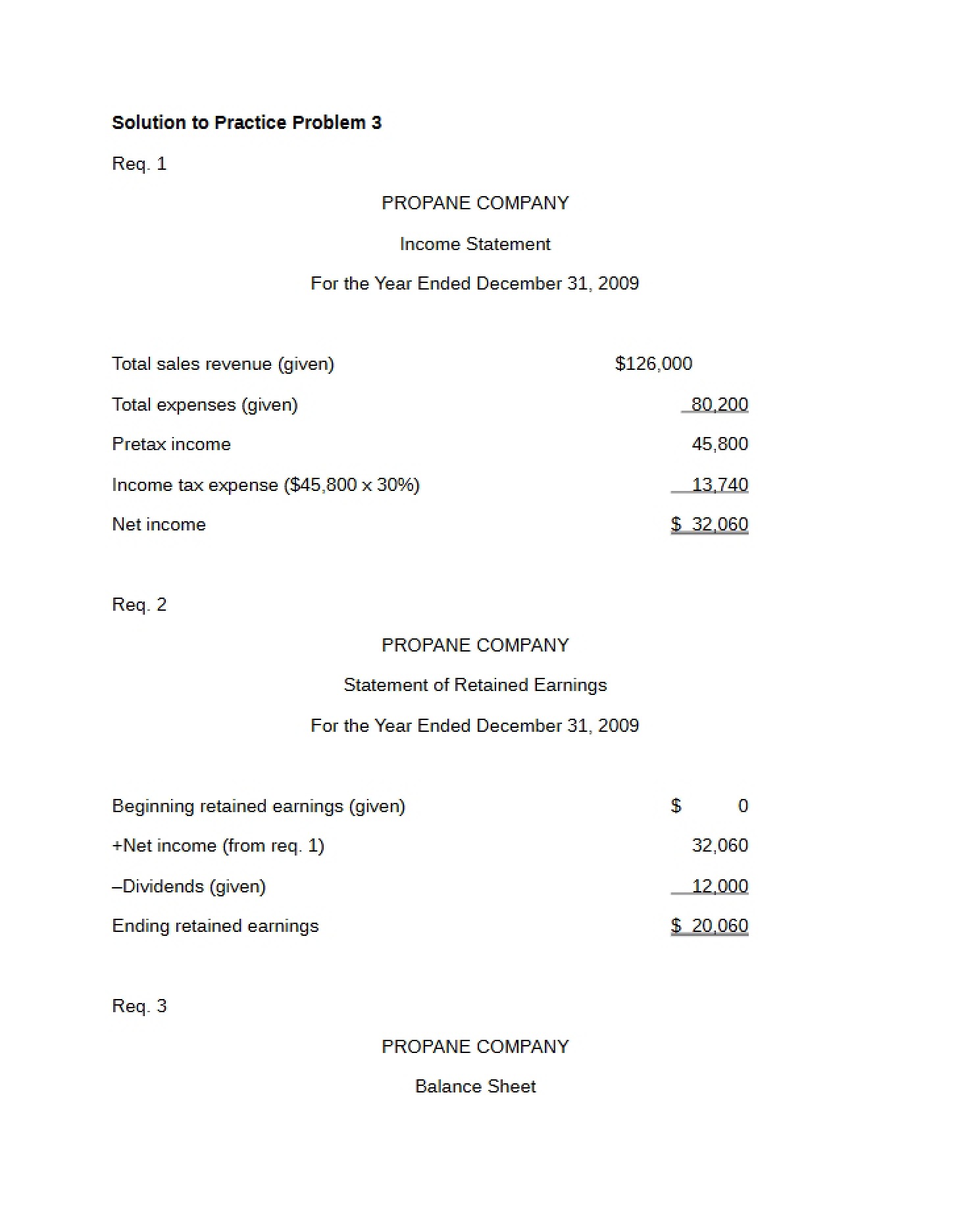
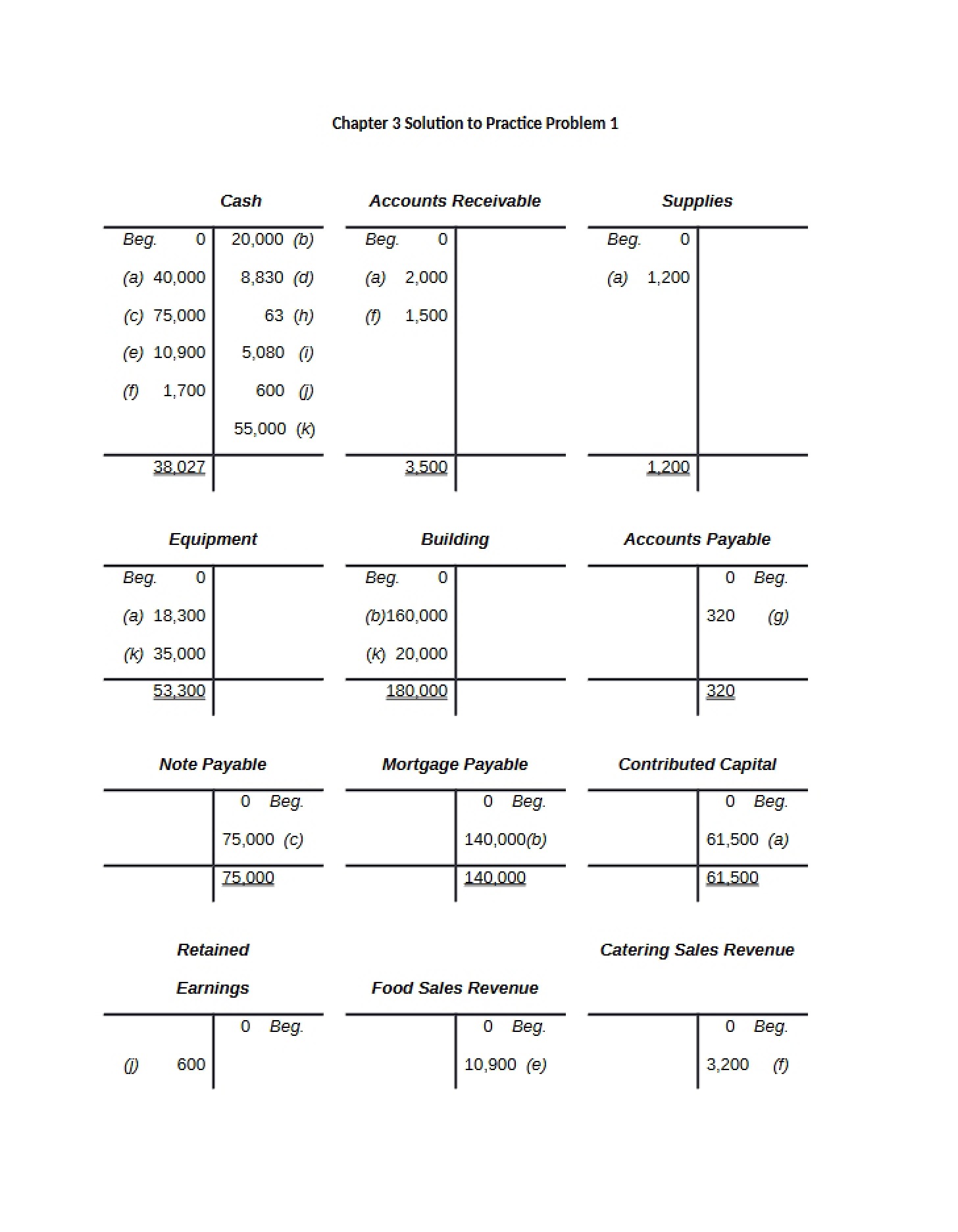
* Illustrative problems relating to the balance sheet, income statement, statement of shareholders’ equity, and cash flow statement.
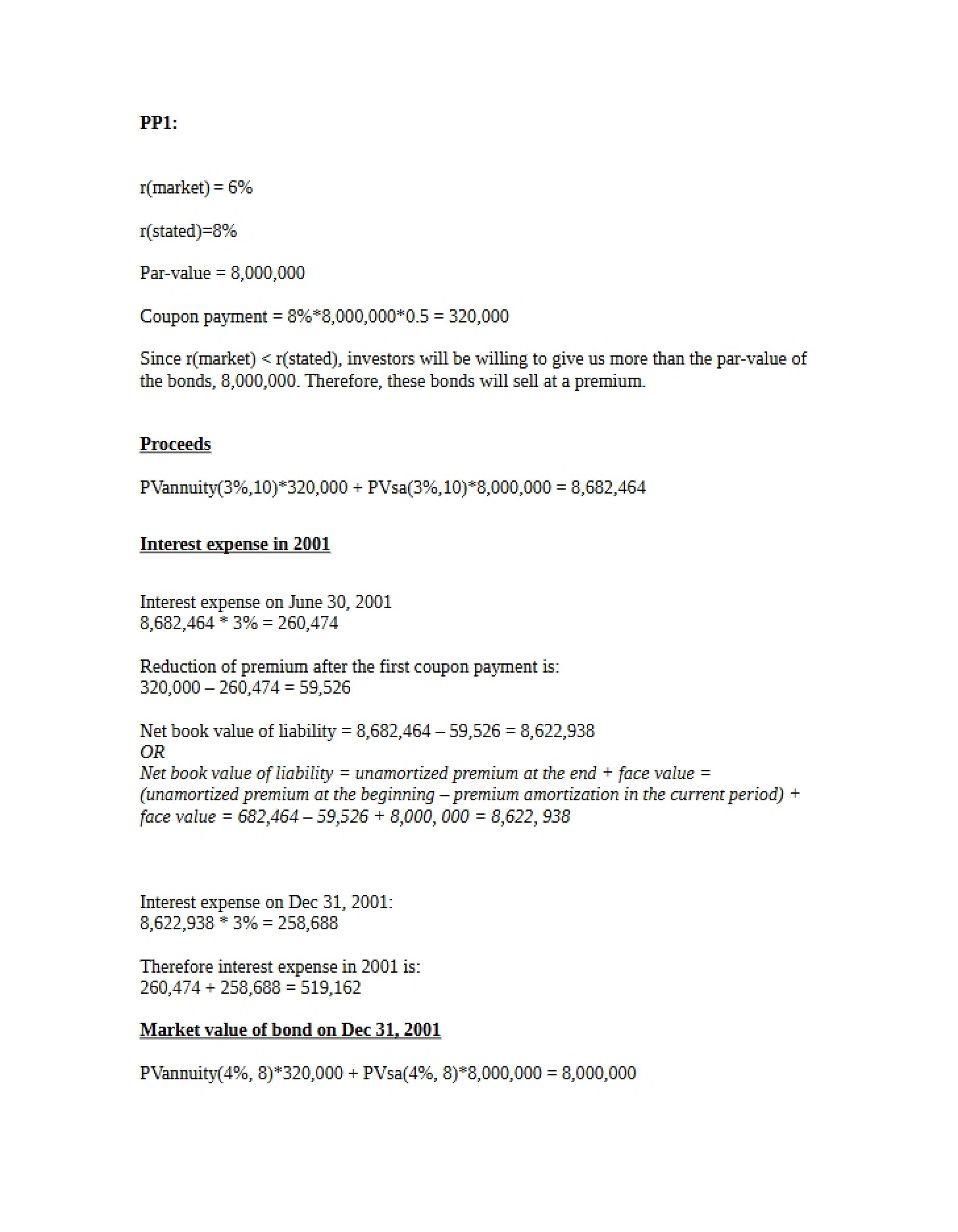
* Scenarios requiring the application of accounting principles to real-world transactions.
* Examples demonstrating the impact of transactions on various financial statement components.
* Practice with calculations related to cost of goods sold, total assets, retained earnings, and cash flow.
* A framework for understanding the relationships between different financial statement elements.