What This Document Is
This is a detailed solution key designed to support your understanding of bond valuation and accounting principles within the context of a financial accounting course. Specifically, it focuses on applying concepts related to zero-coupon bonds, bond issuance, and the effective-interest method for amortizing bond premiums and discounts. The material centers around a practical scenario involving “The Flame Corp.” and its bond offerings.
Why This Document Matters
Students enrolled in Principles of Financial Accounting (ACCT 2610) at Washington University in St. Louis will find this resource particularly helpful when reviewing practice problems related to long-term liabilities. It’s ideal for checking your work after attempting similar problems, identifying areas where your understanding may need strengthening, and solidifying your grasp of complex accounting treatments. This is best utilized *after* you’ve made a good-faith effort to solve the practice problem independently, as it’s designed to reinforce learning, not replace it.
Common Limitations or Challenges
This key provides a completed solution set; however, it does not offer step-by-step explanations of the underlying accounting logic. It assumes a foundational understanding of present value calculations, bond terminology, and journal entry formatting. It will not teach you *how* to approach these problems from scratch, but rather demonstrate the correct application of principles to a specific case. Access to this resource does not substitute for attending lectures, completing assigned readings, or actively participating in class discussions.
What This Document Provides
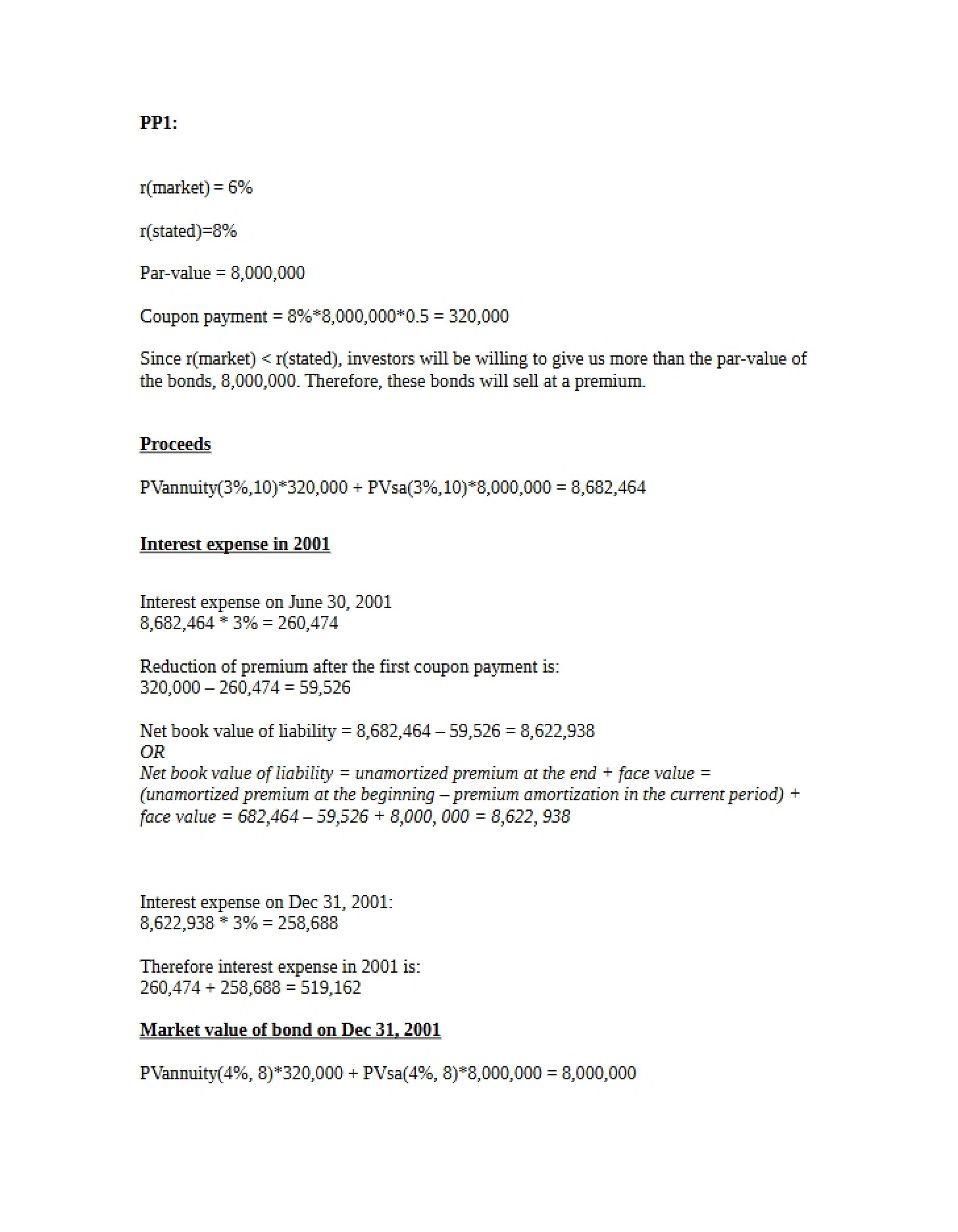
* Detailed breakdowns of calculations related to bond valuation, including market rate determination.
* Illustrative journal entries for bond issuance, considering premiums and discounts.
* Application of the effective-interest method for recognizing interest expense on both zero-coupon and coupon-bearing bonds.
* A practical context for understanding how bond accounting principles are applied in a real-world business scenario.
* Solutions aligned with the specific details presented in Practice Problem Four.