What This Document Is
This is a laboratory manual specifically designed for an introductory linear circuits course (EE 202L) at the University of Southern California. It details a hands-on experiment focused on fundamental electrical measurements – voltage, current, and resistance – utilizing a digital multimeter (DMM). The lab explores practical applications of theoretical concepts and emphasizes the importance of understanding potential sources of error in measurement techniques. It centers around building and analyzing simple circuits to reinforce core principles.
Why This Document Matters
This lab manual is essential for students enrolled in EE 202L who need a detailed guide to successfully complete Lab One. It’s particularly valuable for students who are new to using precision measurement equipment like a DMM, or those seeking to refine their understanding of practical circuit analysis. It’s best used *during* the lab session as a reference and *afterward* to prepare a comprehensive lab report. Understanding the concepts presented will build a strong foundation for more advanced circuit analysis work.
Common Limitations or Challenges
This manual provides a structured experimental procedure, but it does *not* offer pre-filled data tables or completed analysis sections. It assumes a basic understanding of circuit theory and the function of a power supply and protoboard. It also doesn’t provide troubleshooting assistance for common experimental errors beyond highlighting potential error sources. The document focuses on the *process* of measurement and analysis, not providing ready-made solutions.
What This Document Provides
* Detailed instructions for using a digital multimeter (DMM) for various measurements.
* Guidance on protoboard usage and understanding its electrical connections.
* A series of investigative questions designed to promote critical thinking about circuit behavior.
* Exploration of factors influencing measurement accuracy, including electrical noise and continuity testing.
* Instructions on utilizing DMM features like triggering and averaging to improve measurement quality.
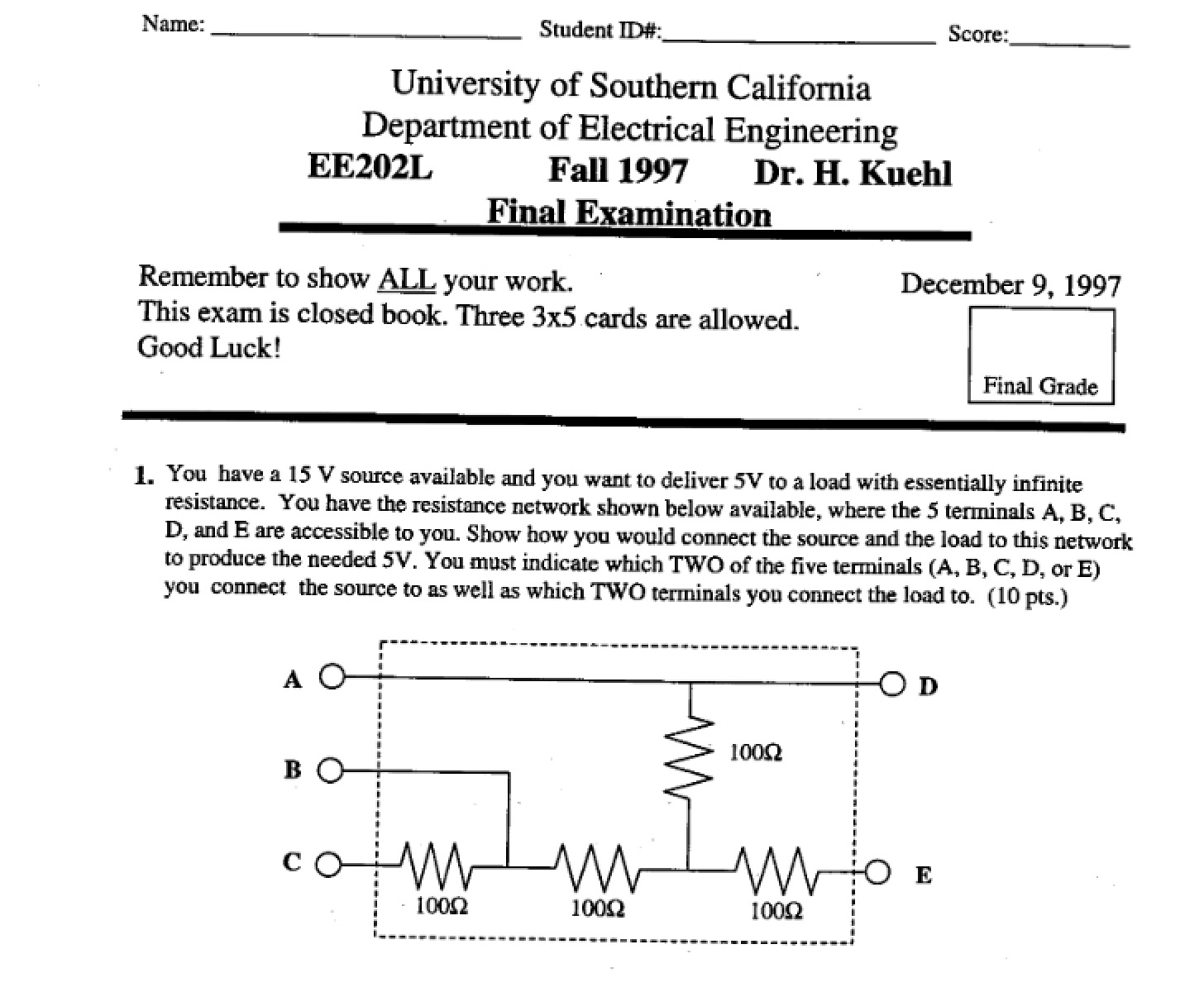
* A circuit diagram for a basic resistive circuit used in the experiment.