What This Document Is
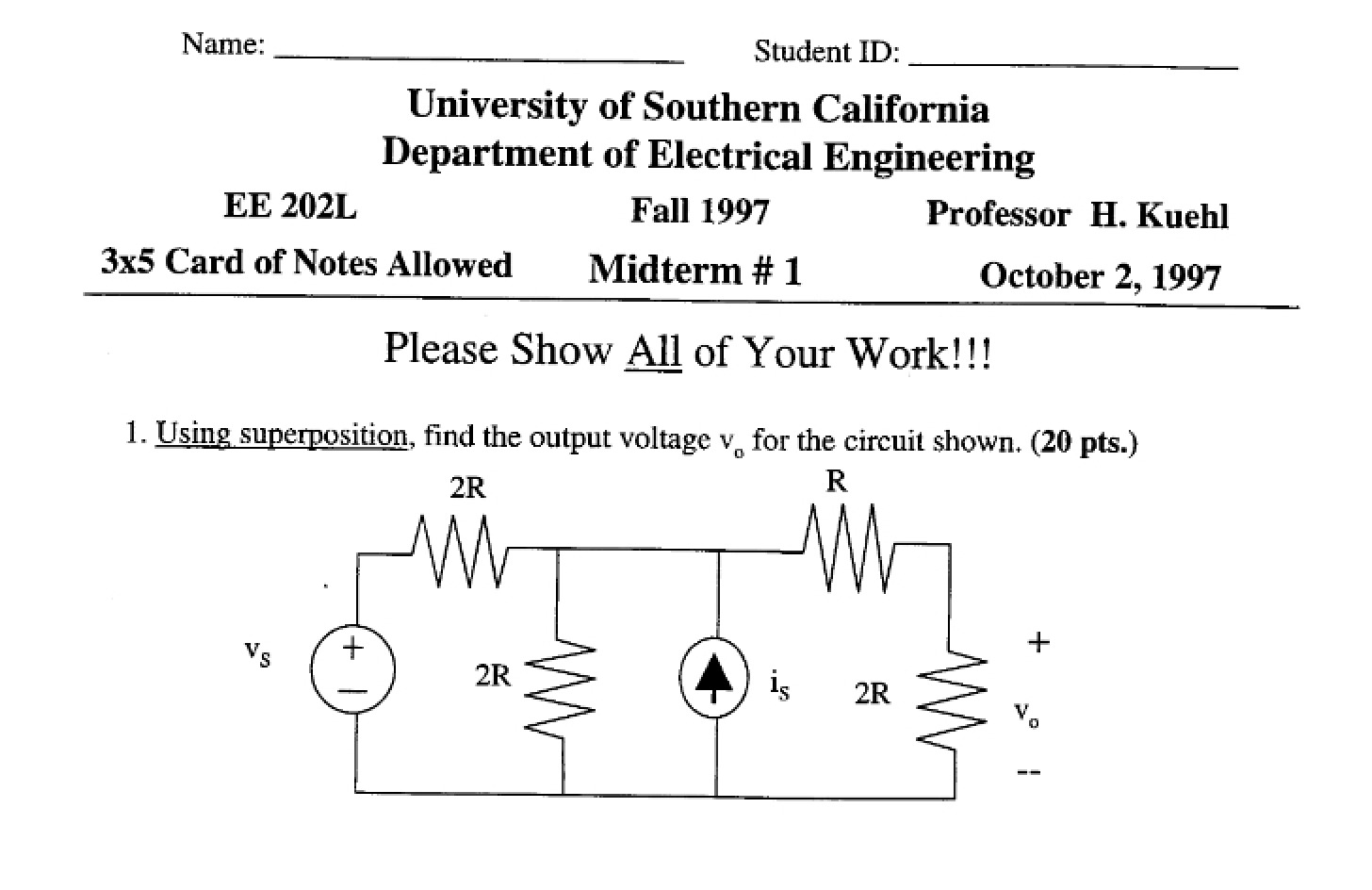
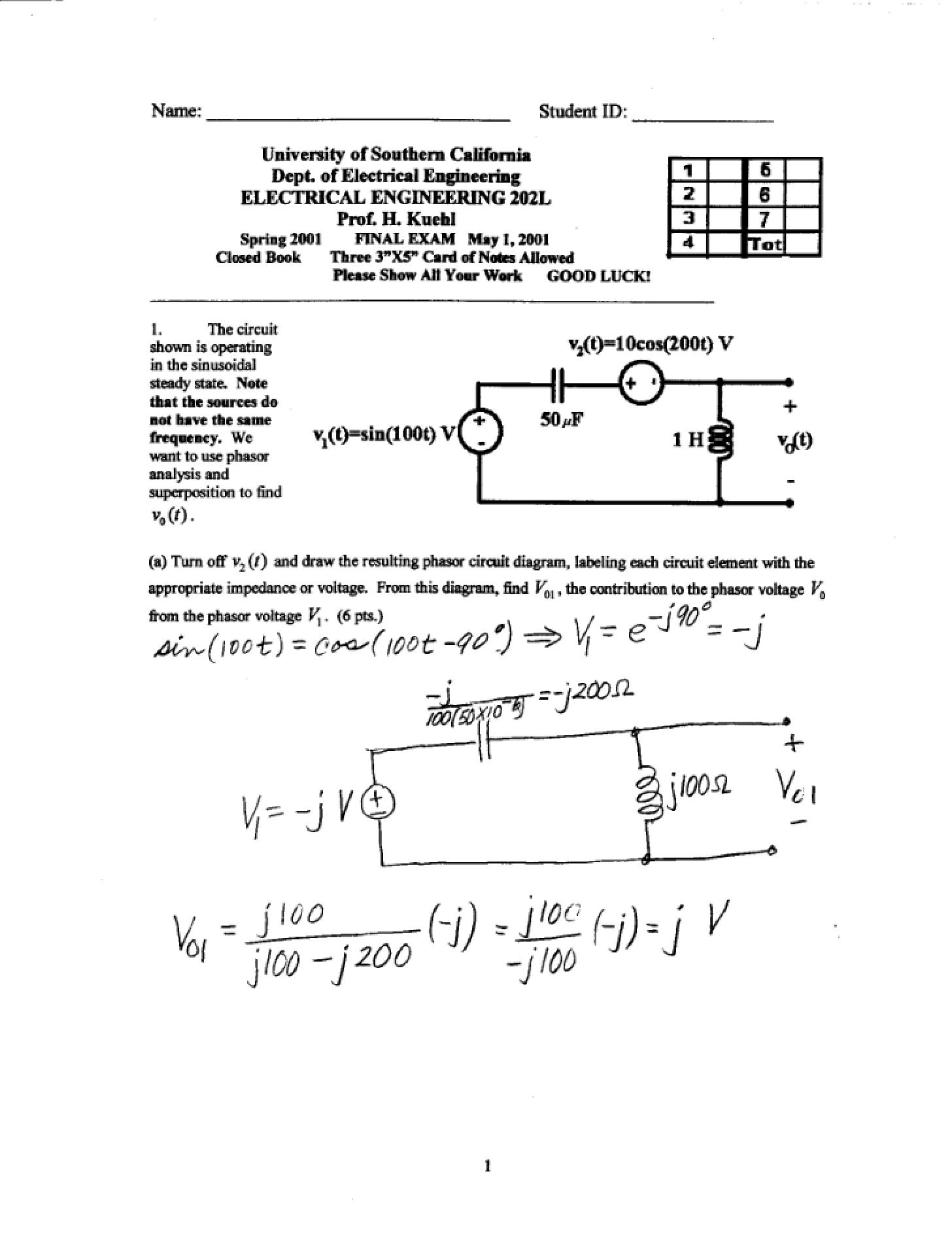
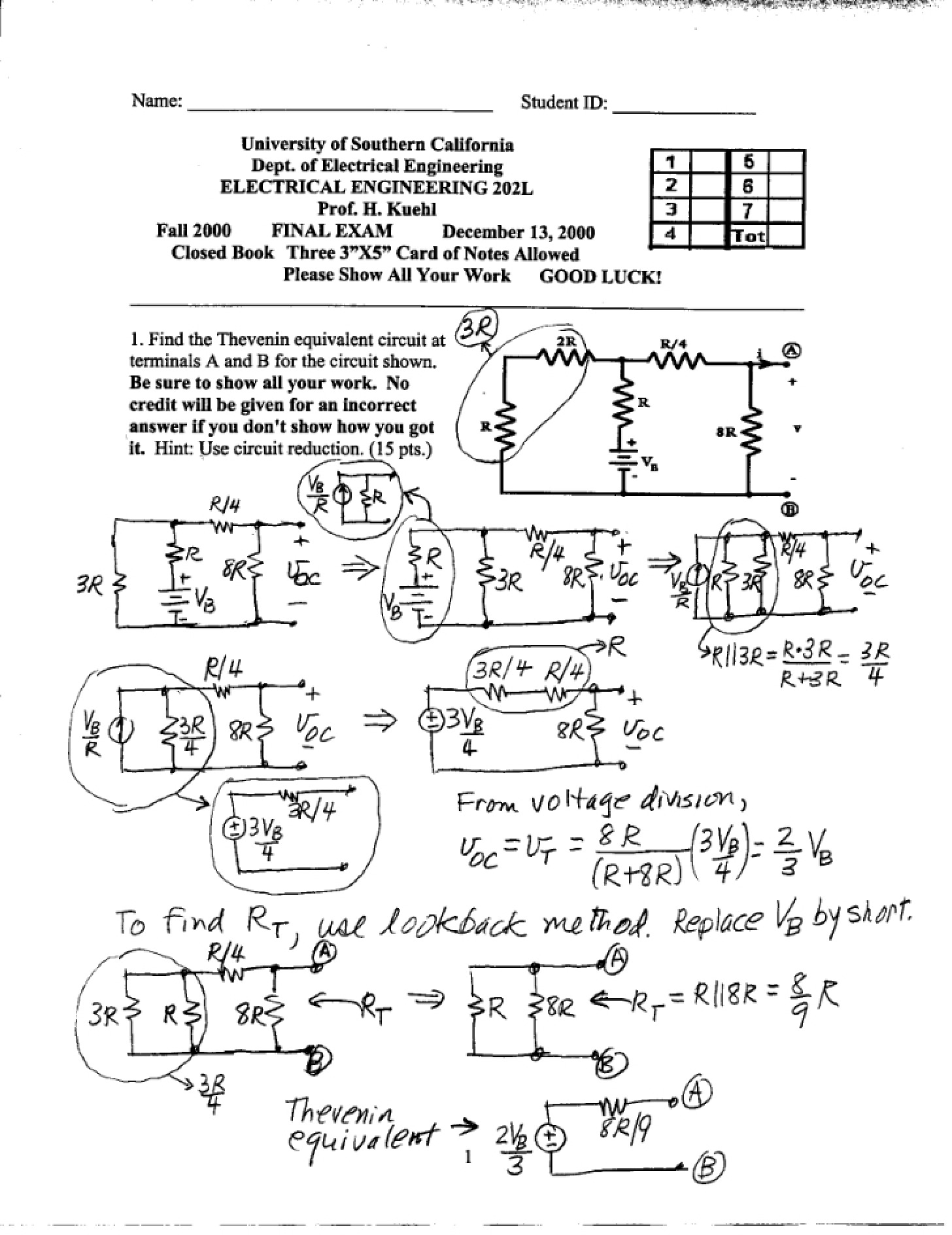
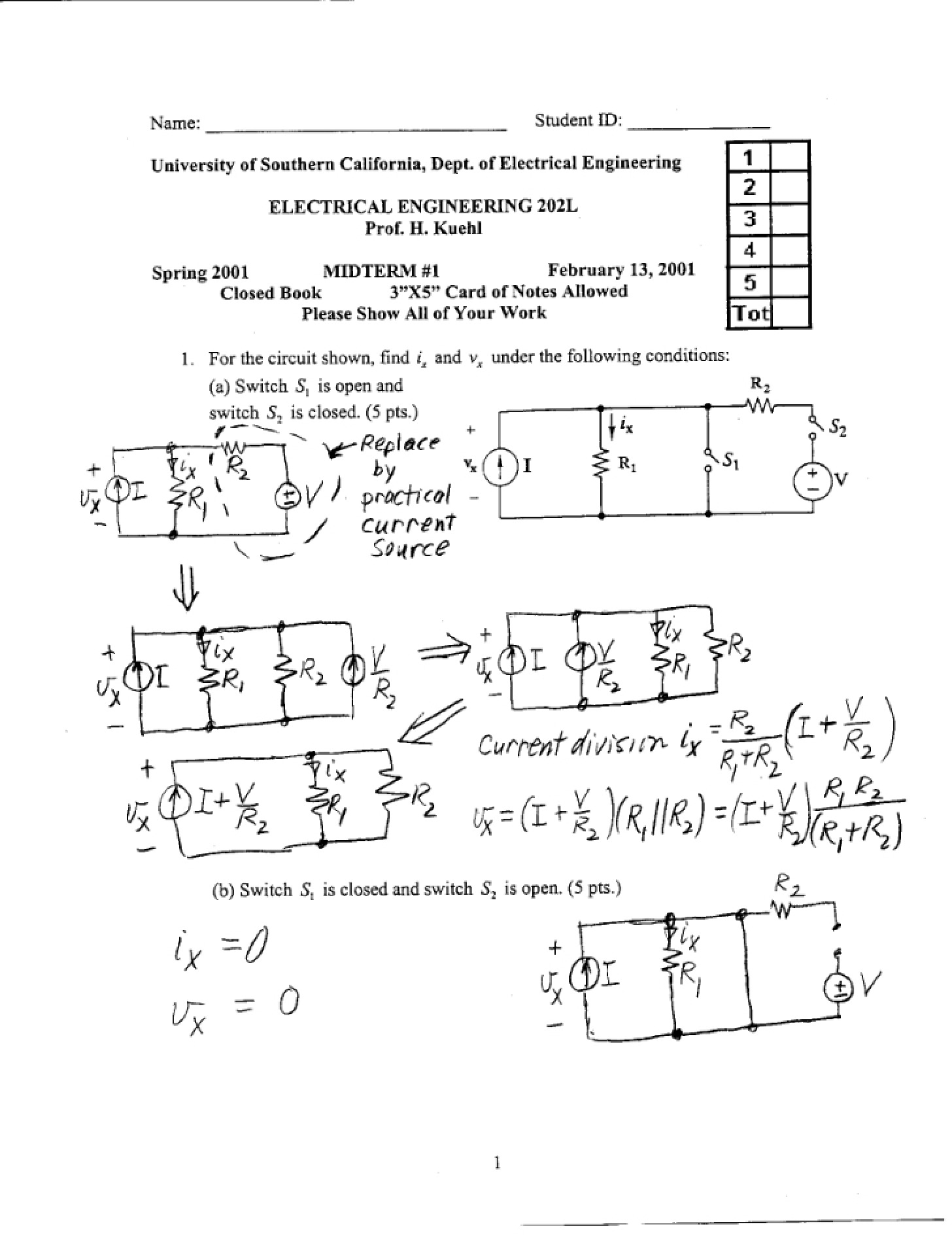
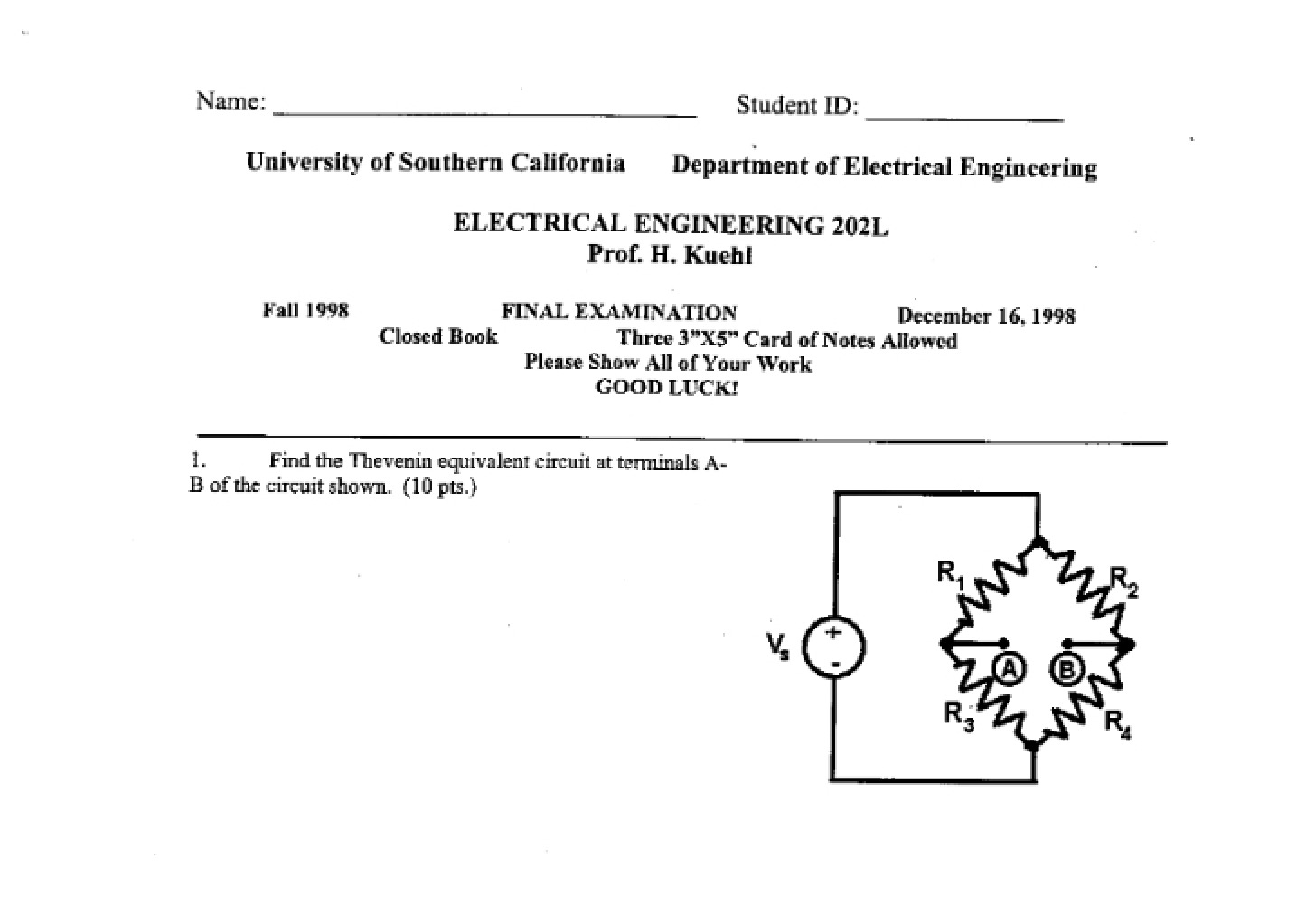
This is a past final examination from an undergraduate Linear Circuits course (EE 202L) at the University of Southern California. Dating back to Fall 1997, it represents a comprehensive assessment of the core concepts covered throughout the semester. The exam is designed to evaluate a student’s ability to apply theoretical knowledge to practical circuit analysis and design problems. It’s a closed-book format, allowing students to utilize a limited number of note cards.
Why This Document Matters
This resource is invaluable for students currently enrolled in a similar linear circuits course, or those preparing for related examinations. Studying past exams is a proven method for understanding the scope of the material, the types of questions asked, and the level of difficulty expected. It’s particularly useful for identifying personal strengths and weaknesses, and for practicing time management under exam conditions. Access to this exam can help refine your study strategy and build confidence before a high-stakes assessment.
Common Limitations or Challenges
While this exam provides a realistic assessment style, it’s important to remember that course content and emphasis can evolve over time. This exam reflects the curriculum as it was taught in Fall 1997 and may not perfectly align with the current course syllabus. Furthermore, this document *only* contains the exam questions themselves; detailed solutions or explanations are not included. It’s intended as a practice tool, not a substitute for understanding the underlying principles.
What This Document Provides
* A full set of questions mirroring the format and difficulty of a past final exam.
* Problems covering fundamental circuit analysis techniques.
* Questions relating to transient circuit behavior and Laplace transforms.
* Exercises focused on Thevenin equivalents and impedance calculations.
* A section dedicated to phasor analysis and matching concepts.
* Problems involving operational amplifier (OP-AMP) circuit design.
* A mix of theoretical and application-based questions.