What This Document Is
This resource is a detailed illustration focused on the preparation and analysis of the Statement of Cash Flows. It utilizes a real-world business scenario – Later Gator Lounge – to demonstrate the principles taught in Principles of Financial Accounting (ACCT 2610) at Washington University in St. Louis. The example walks through the financial data needed to construct this crucial financial statement, presenting information in a comparative balance sheet and income statement format. It explores how changes in a company’s assets, liabilities, and equity impact its cash position.
Why This Document Matters
Students enrolled in introductory financial accounting courses will find this particularly helpful. It’s ideal for those seeking to solidify their understanding of how to translate accounting data into a dynamic view of a company’s cash inflows and outflows. This example is best used *after* foundational concepts of the Statement of Cash Flows have been introduced in lectures or readings, serving as a practical application of those principles. It’s a valuable tool for reinforcing learning and building confidence in tackling related homework problems or exam questions.
Common Limitations or Challenges
This example focuses on a single company and a specific reporting period. It does not cover all possible scenarios or complexities encountered in real-world cash flow statement preparation. It’s important to remember that this is an illustrative case and won’t provide a comprehensive overview of *every* accounting treatment related to cash flows. Furthermore, while it presents financial statements, it does not offer detailed explanations of *why* certain figures are calculated as they are – that foundational knowledge is assumed.
What This Document Provides
* Comparative Balance Sheets for two periods (2003 & 2004)
* An Income Statement for the reporting period (2004)
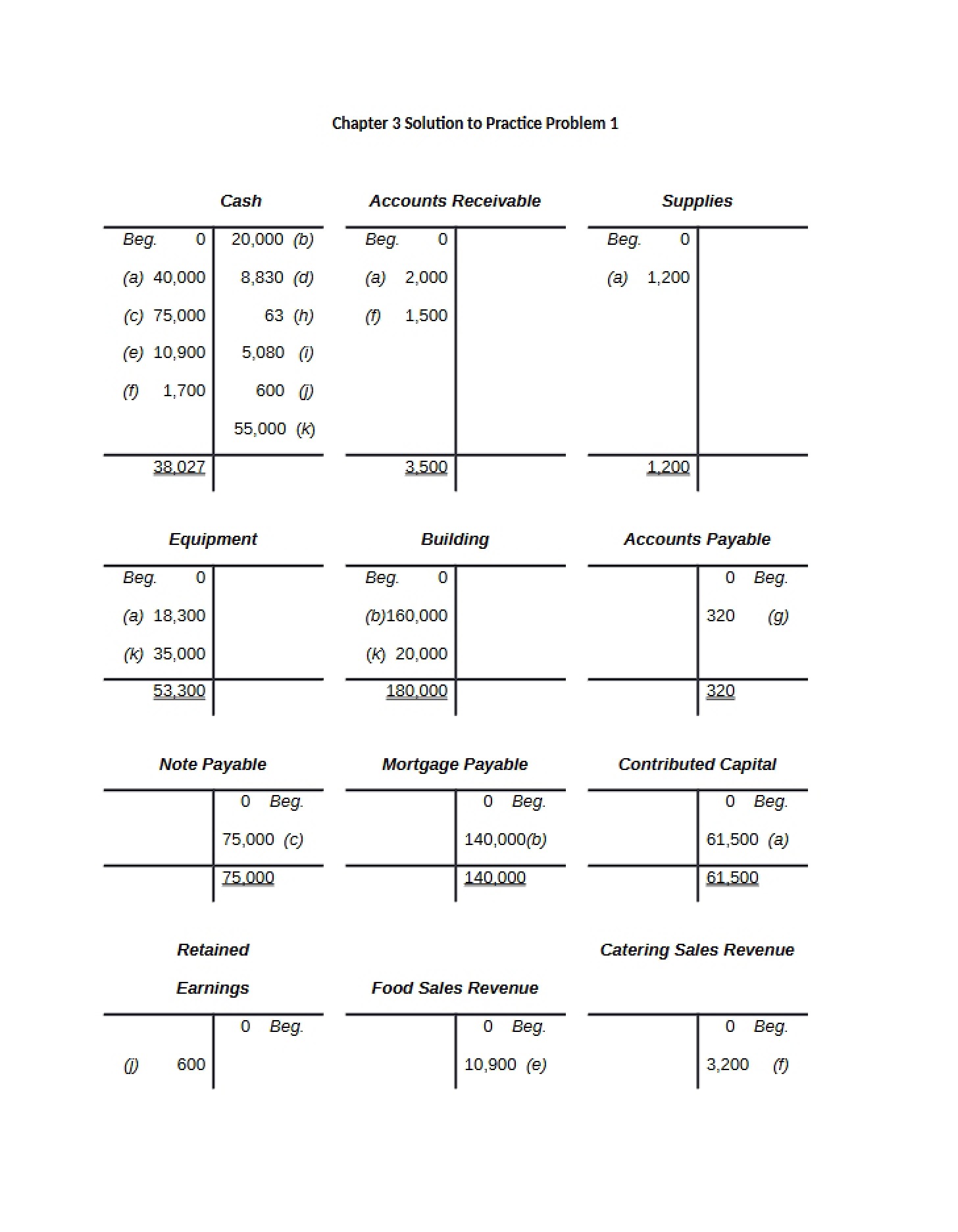
* Illustrative T-Accounts showing changes in key accounts
* A framework for the Direct Method of preparing a Statement of Cash Flows
* A framework for the Indirect Method of preparing a Statement of Cash Flows
* Presentation of key sections within each method (Operating, Investing, and Financing Activities)