What This Document Is
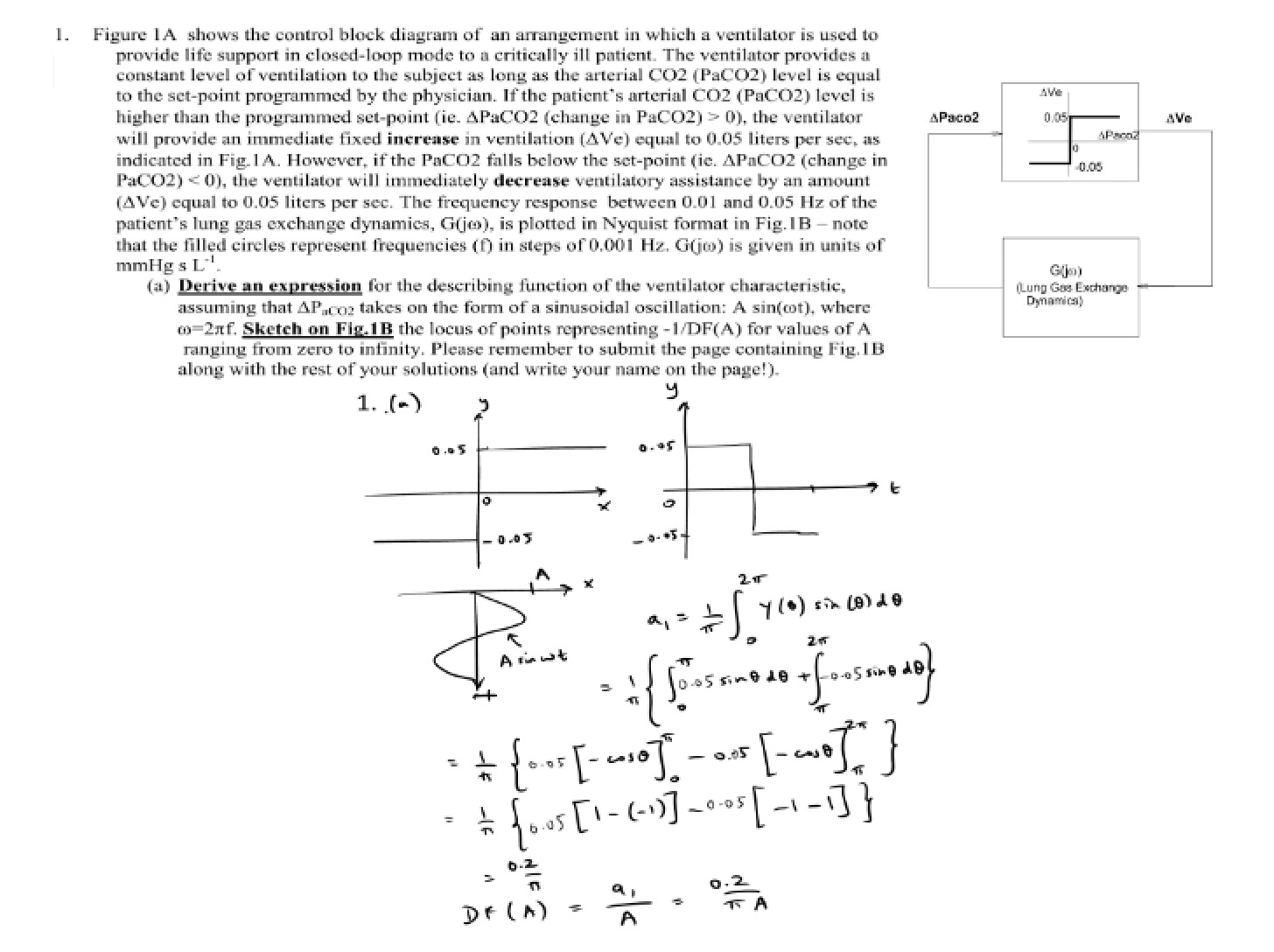
These are lecture notes from Physiological Control Systems (BME 511) at the University of Southern California, specifically focusing on Lecture 10B. The material delves into advanced concepts related to physiological control, employing mathematical modeling and analysis techniques to understand complex biological systems. A significant portion appears dedicated to the control of respiration, examining factors influencing breathing patterns and stability. The notes integrate principles from systems engineering, control theory, and physiology.
Why This Document Matters
This resource is invaluable for Biomedical Engineering students, particularly those specializing in physiological modeling and control. It’s most beneficial when studying system stability, frequency response analysis, and the application of control systems principles to biological functions. Students preparing for exams, working on related projects, or seeking a deeper understanding of respiratory control mechanisms will find this material particularly helpful. It’s designed to supplement lectures and provide a detailed record of the concepts discussed.
Common Limitations or Challenges
These notes represent a specific lecture’s content and assume a foundational understanding of control systems theory, differential equations, and basic physiology. They do not provide a comprehensive introduction to these prerequisite topics. The material builds upon previous lectures in the course, so using this resource without the preceding context may present challenges. Furthermore, while mathematical models are presented, the notes do not offer step-by-step derivations or complete solutions to all problems.
What This Document Provides
* Detailed examination of stability analysis techniques, including the Routh-Hurwitz criterion.
* Application of transfer functions to model physiological systems.
* Exploration of the impact of time delays on system stability.
* Analysis of frequency response characteristics using Bode and Nyquist plots.
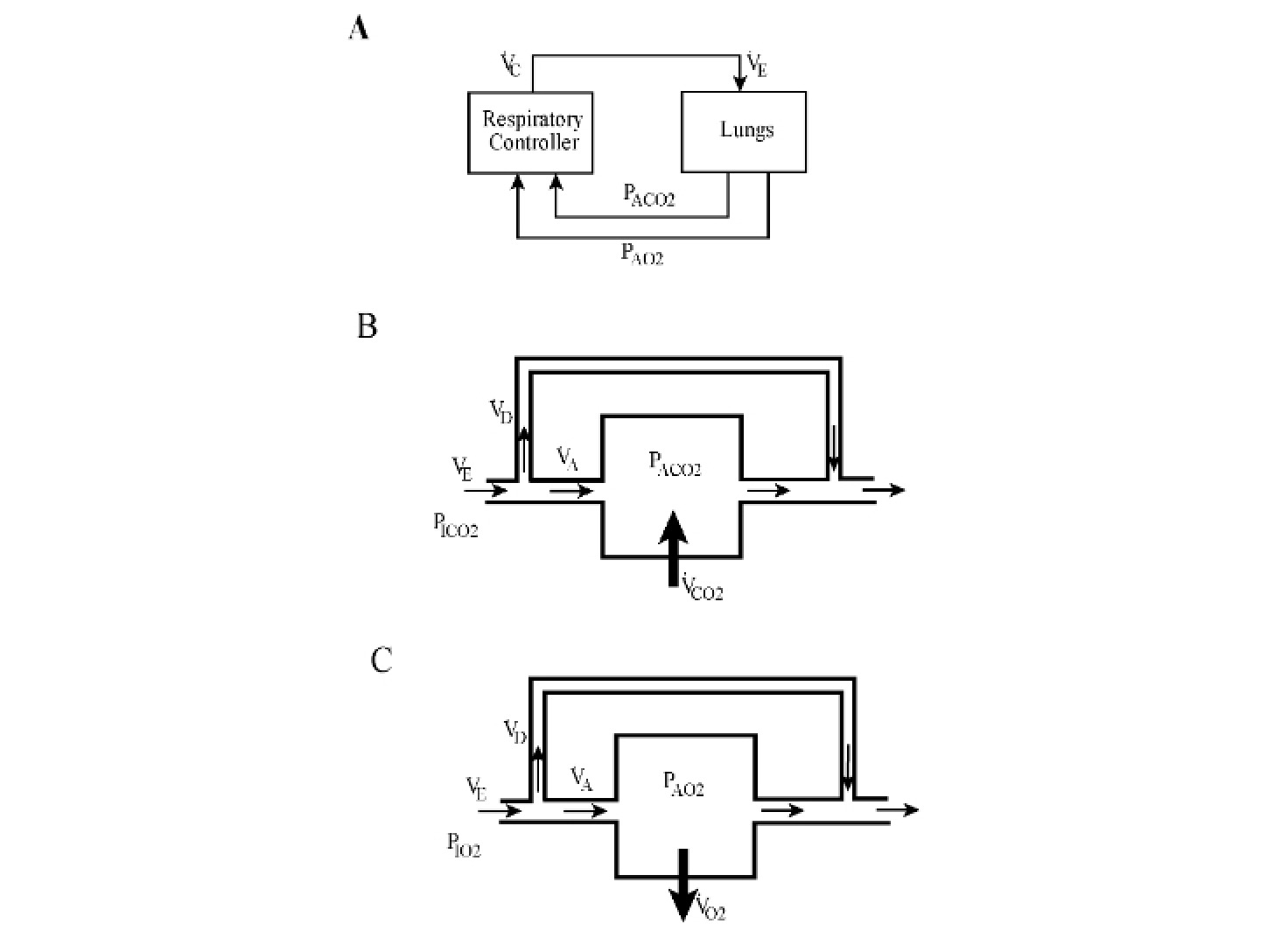
* Discussion of chemoreflex control of respiration and related models.
* Illustrative examples and figures relating to respiratory control and survival rates.
* MATLAB code snippets for simulating and analyzing system behavior.
* Consideration of the effects of conditions like congestive heart failure on respiratory control.