What This Document Is
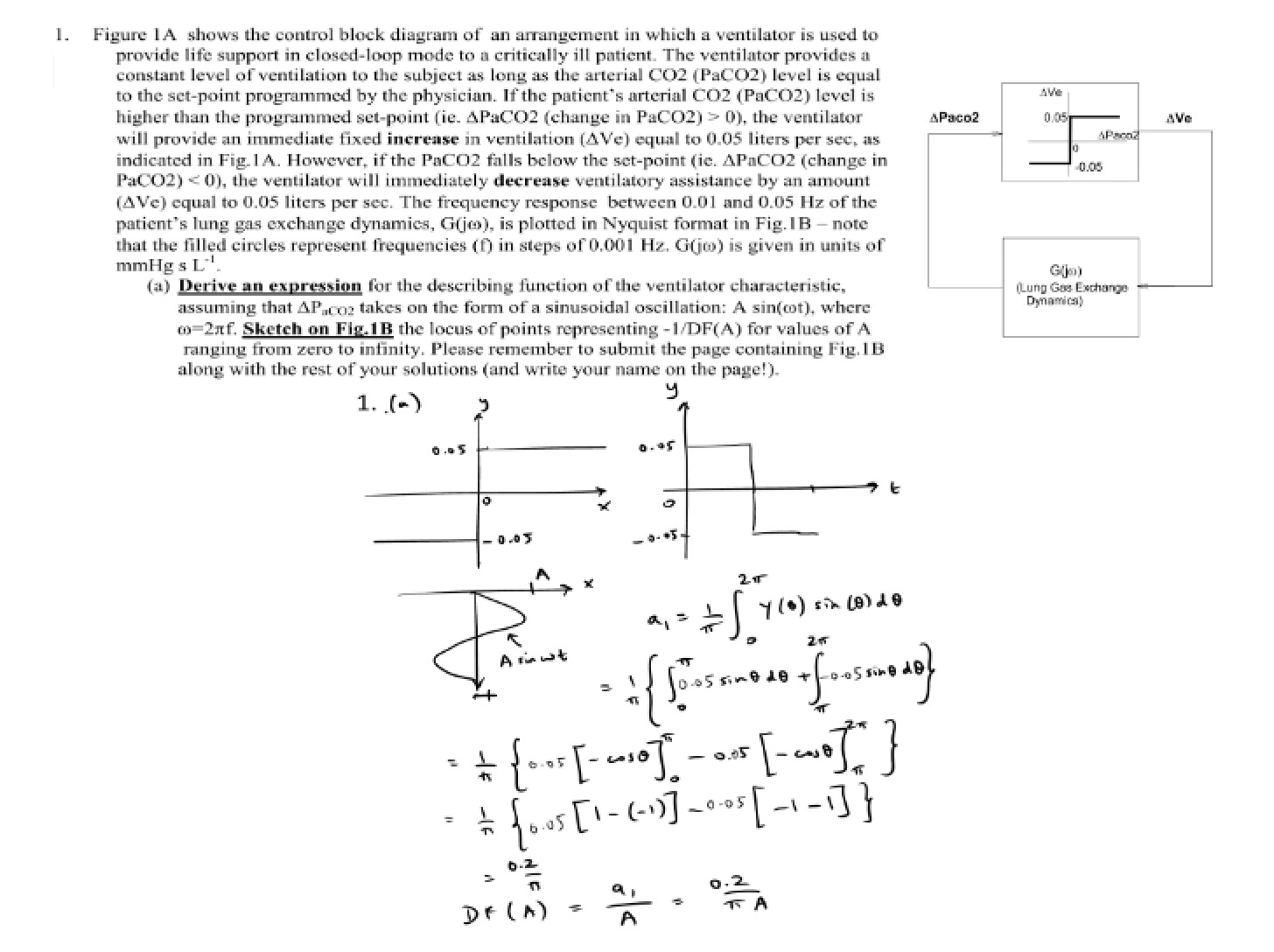
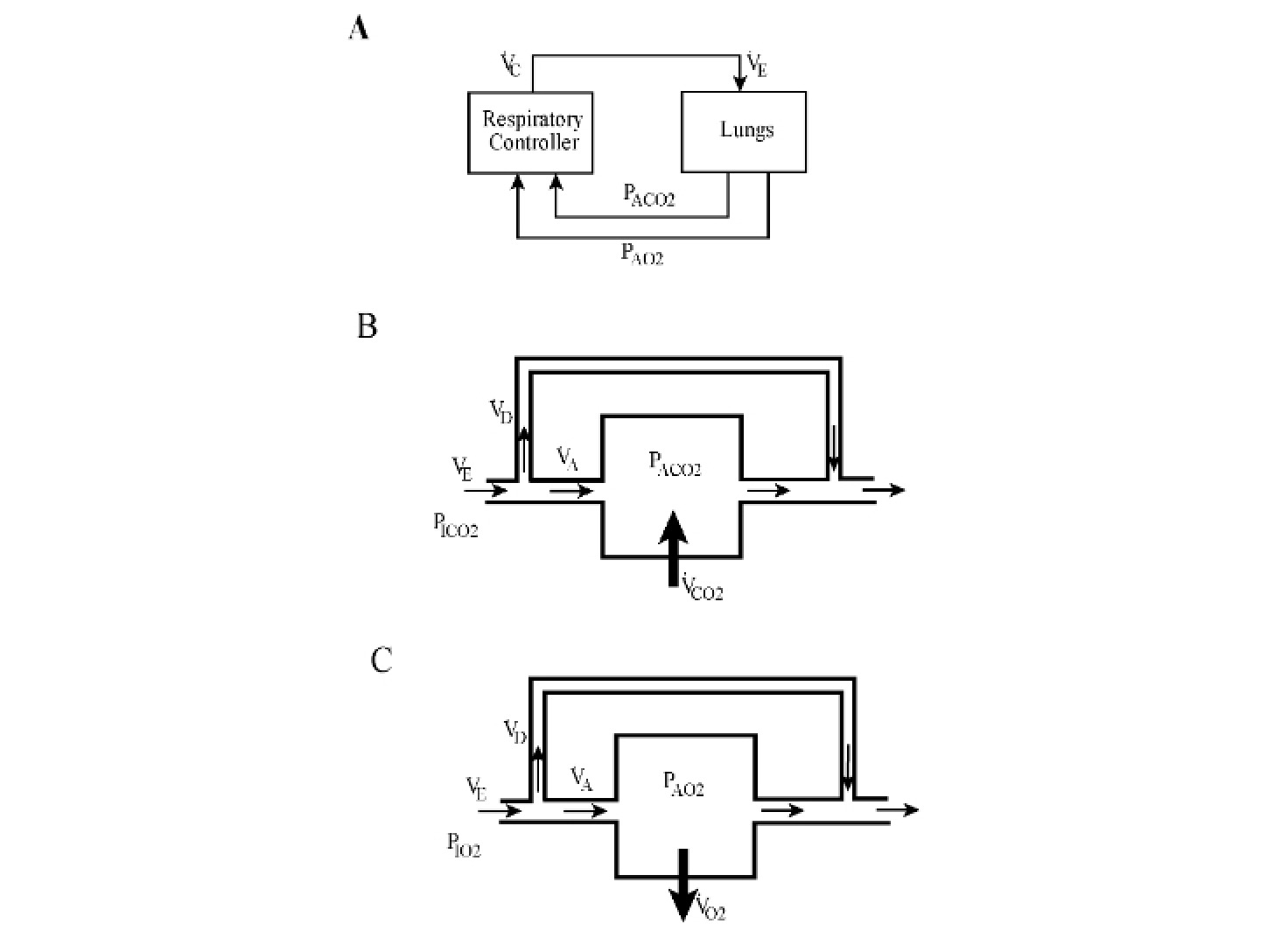
This is a detailed set of lecture materials focusing on advanced concepts within Physiological Control Systems (BME 511) at the University of Southern California. Specifically, Lecture 9b delves into the mathematical modeling and analysis of dynamic systems as they relate to biological processes, with a strong emphasis on neuromuscular and respiratory mechanics. It utilizes tools from control systems engineering – like transfer functions, block diagrams, and root locus analysis – to understand physiological regulation.
Why This Document Matters
This resource is invaluable for Biomedical Engineering students seeking a deeper understanding of how to apply engineering principles to biological systems. It’s particularly helpful for those studying system dynamics, control theory, and the physiological basis of reflexes and respiration. Students preparing for exams, working on related projects, or needing a robust reference for complex modeling techniques will find this material beneficial. It’s best utilized *after* a foundational understanding of control systems has been established.
Common Limitations or Challenges
This lecture material assumes a pre-existing knowledge of differential equations, Laplace transforms, and basic control systems terminology. It does *not* provide introductory explanations of these foundational concepts. Furthermore, while it presents models and analytical techniques, it doesn’t offer step-by-step derivations of every equation or detailed experimental data to validate the models. It focuses on the theoretical framework and application of established methods.
What This Document Provides
* Detailed block diagrams illustrating complex physiological reflex models.
* Mathematical representations of respiratory and neuromuscular systems using transfer functions.
* Analysis of system stability using techniques like the Routh-Hurwitz criterion and root locus plots.
* Exploration of the impact of different damping factors on system responses.
* Discussion of how feedback mechanisms influence system behavior.
* Illustrative examples of applying control systems principles to biological systems.